I am the Indian who can’t die. I’m the worst dream America ever had.
PLOT SUMMARY:
A diary, written in 1912 by a Lutheran pastor is discovered within a wall. What it unveils is a slow massacre, a chain of events that go back to 217 Blackfeet dead in the snow. Told in transcribed interviews by a Blackfeet named Good Stab, who shares the narrative of his peculiar life over a series of confessional visits. This is an American Indian revenge story written by one of the new masters of horror, Stephen Graham Jones.
GRADE: A
REVIEW:
Stephen Graham Jones is known for his sharp storytelling and his ability to blend horror with cultural commentary, and Buffalo Hunter Hunter is no exception. In this novel, Jones introduces a fresh, new take on vampires, turning the genre on its head with a unique narrative structure and an exploration of identity, family, and survival. Written in an epistolary format—through the use of diary entries—the book offers an intimate, and at times unsettling, journey into the world of vampirism that’s anything but ordinary. This novel is a slow burn compared to Jones’ previous novels, but once we’re introduced to Good Stab, the story flows in a way that we can’t help but wish to know more of.
The epistolary format is one of the book’s most engaging features. Jones uses this structure to create a sense of immediacy and emotional depth, drawing readers into the protagonist’s thoughts and feelings. The story is told through the journal entries of the main character, whose struggle with their own identity and their relationship with the world around them unfolds gradually, revealing layers of complexity with every new entry. It’s a brilliant technique that allows the reader to feel as if they’re uncovering secrets alongside the protagonist, rather than being told a story from a distance.
But what truly sets Buffalo Hunter Hunter apart is its fresh take on vampires. Gone are the brooding, glamorous immortals we’re used to in modern vampire tales. Instead, Jones introduces vampires who are connected to a larger cultural narrative, one that’s rooted in historical trauma, displacement, and the resilience of indigenous communities. The vampires in this novel aren’t just bloodsuckers; they’re symbolic of the larger struggles that people face, and Jones deftly uses the supernatural to explore themes of survival and transformation.
At the heart of the novel is the tension between the Lutheran priest’s curiousity and the vampire Good Stab. Good Stab’s inner conflict is explored with great sensitivity, allowing the reader to feel the weight of their transformation not just physically, but emotionally. It’s a story about grappling with identity and legacy, and the challenges of reconciling personal history with the person you’re becoming.
Jones also delivers plenty of action, suspense, and moments of dark humor throughout the novel, ensuring that it’s not just a thought-provoking piece, but an entertaining one as well. The narrative, while contemplative, doesn’t shy away from the sharp edges of horror, offering thrills alongside its deep philosophical questions.
In conclusion, Buffalo Hunter Hunter is a compelling, innovative take on the vampire genre, presented in a format that’s both engaging and thought-provoking. Stephen Graham Jones masterfully blends supernatural horror with cultural commentary, and the epistolary format adds an extra layer of intimacy to this unique, thrilling story. If you’re looking for a fresh perspective on vampires with a deep, emotional core, this novel is a must-read.
*Thank you so much to NetGalley & Saga Press for the digital copy of this book in exchange for an honest review!
DID YOU ENJOY WHAT YOU JUST READ? IF YES, THEN SUBSCRIBE TO THE BLOG, GIVE THE POST A LIKE, OR LEAVE A COMMENT! NEW POSTS ARE UP EVERY TUESDAY & THURSDAY!
When you think of horror authors, a lot of names that probably come to mind are men—Stephen King, H.P. Lovecraft, and Edgar Allan Poe, for example. But did you know that women have been just as integral to the horror genre, crafting some of the most influential and spine-chilling stories? While their contributions were often overlooked, women in horror have not only shaped the genre but have also used it as a platform to explore deep, complex themes that resonate with us on a deeply personal level. And that’s something we shouldn’t overlook.
Breaking the Mold
For a long time, horror fiction was predominantly written by men, which, let’s be honest, often led to stories that focused on the same types of characters, plots, and themes. But then came women writers who weren’t afraid to push boundaries and challenge what horror could be. From Shirley Jackson’s unsettling psychological horror to Mary Shelley’s groundbreaking Frankenstein, women have always had a hand in redefining the genre. They brought something fresh, something that explored not only monsters and the supernatural, but also the very real monsters inside our heads, the complexities of human emotions, and societal fears.
Take The Haunting of Hill House by Shirley Jackson. It’s not just a ghost story; it’s a tale about loneliness, mental illness, and how isolation can destroy a person. It taps into very real human fears and makes us question what’s real and what isn’t. It’s this depth of emotion and the ability to blend the supernatural with personal struggles that women have brought to the genre. And that’s one reason why their contributions are so significant—they make horror more relatable, more reflective of the human condition.
Women Exploring Real Fears
One thing women authors in horror often excel at is turning the genre inward. While many male horror writers focused on external threats like monsters, women writers have frequently explored more internal, personal fears. Think of Margaret Atwood’s The Handmaid’s Tale or Helen Oyeyemi’s White Is for Witching. These authors weave horror into narratives that reflect on real-world issues like power, control, identity, and societal structures. And that’s part of what makes women’s voices so important in horror—there’s an element of horror in everyday life that women, especially, are acutely attuned to.
In The Bloody Chamber, Angela Carter reimagines classic fairy tales, adding layers of feminist critique and sexual politics. Her retellings are dark, unsettling, and frequently tackle themes like power dynamics, gender, and the violence women endure, themes that often go unexplored in traditional horror. In this way, women in horror help broaden the conversation, allowing the genre to evolve into something that can address issues of inequality, fear, and vulnerability that are unique to women.
The Future of Women in Horror
The future of horror is bright, and it’s becoming increasingly clear that women will be driving the genre forward. More and more women authors are taking center stage, and the stories they are telling are diverse, powerful, and innovative. From psychological thrillers to body horror and speculative fiction, women are continuously expanding what horror can be. Authors like Tananarive Due, Silvia Moreno-Garcia, and Carmen Maria Machado are blending horror with elements of cultural identity, race, and trauma, creating stories that are both terrifying and thought-provoking.
Horror isn’t just about scaring people—it’s about reflection, confrontation, and exploring the unknown. Women in horror give us a unique lens through which we can experience these emotions. They’re breaking down walls, amplifying marginalized voices, and creating more inclusive, diverse narratives. And that’s something the genre desperately needs.
Final Thoughts
So, why are women in horror so important? Because they bring new perspectives, new themes, and new layers of meaning to a genre that has the power to examine our deepest fears. They challenge us to look at the world through a different lens, to confront uncomfortable truths, and to question what really scares us. As the genre continues to grow and evolve, one thing’s for sure—women will continue to be at the heart of it, making horror richer, deeper, and far more compelling.
DID YOU ENJOY WHAT YOU JUST READ? IF YES, THEN SUBSCRIBE TO THE BLOG, GIVE THE POST A LIKE, OR LEAVE A COMMENT! NEW POSTS ARE UP EVERY TUESDAY & THURSDAY!
“Sometimes, justice isn’t quiet or clean; it’s feral and bloody and unapologetic.”
PLOT SUMMARY:
Lonely, broke and depressed with a serious case of OCD, Gia finds herself at a crossroads when financial troubles lead her to Nathan, a mysterious and affluent man she encounters on a sugar dating website. Desperate for a solution, Gia is intrigued by Nathan’s unconventional offer: in exchange for living as his devoted pet, all of her debts will be erased. But the longer Gia is in captivity, the more animalistic she becomes.
For fans of Nightbitch by Rachel Yoder and Lisa Taddeo’s Animal, Shy Girl is a harrowing tale of girlhood, survival, autonomy, and revenge.
Grade: A+
REVIEW:
I read this book in two days, it was so compelling and also very unhinged and disturbing that it was like assisting a car crash you couldn’t look away from. Gia is laid off from her job and is increasingly becoming more and more worried about how she’s going to keep her apartment with her dwindling savings and no work prospects in site. This leads her to take a more unconventional approach and downloads a dating app that is specifically designed for those men who are seeking to be a sugar daddy to a young woman, and Gia feels like this may solve all of her economic hardships.
But when she meets Nathan, she feels like everything will change for her, bringing her a life of economic freedom. But there’s only one caveat, Nathan has a kink that’s not typical, he wishes Gia to portray his pet dog for several hours a day. Gia thinks that she can manage this, but she will soon find out that being Nathan’s pet is far more difficult than she had anticipated.
Ballard’s writing is sharp and insightful, creating a nuanced narrative that is both relatable and inspiring. The protagonist’s internal struggles feel genuine and familiar, and her journey toward finding her voice is empowering. If you loved Nightbitch but felt like it didn’t quite go there, then let me tell you, Ballard goes there and beyond in this twisted tale of self-discovery and empowerment.
I recommend this book if you love unhinged plots with a dose of female rage.
*Thank you so much to NetGalley & Galaxy Press for the digital copy of this book in exchange for an honest review!
DID YOU ENJOY WHAT YOU JUST READ? IF YES, THEN SUBSCRIBE TO THE BLOG, GIVE THE POST A LIKE, OR LEAVE A COMMENT! NEW POSTS ARE UP EVERY TUESDAY & THURSDAY!
“That’s a thing people don’t talk about enough – that there are people who will judge even the way you mourn your loved ones.”
PLOT SUMMARY:
“If you’re reading this, you’ve likely thought that the world would be a better place without you.”
A single line of text, glowing in the darkness of the internet. Written by Ashley Lutin, who has often thought the same—and worse—in the years since his wife died and his young son disappeared. But the peace of the grave is not for him—it’s for those he can help. Ashley has constructed a peculiar ritual for those whose desire to die is at war with their yearning to live a better life.
Struggling to overcome his own endless grief, one night Ashley finds connection with Jinx—a potential candidate for Ashley’s next ritual—who spins a tale both revolting and fascinating. Thus begins a relationship that traps the two men in an ever-tightening spiral of painful revelations, where long-hidden secrets are dragged, kicking and screaming, into the light.
Only through pain can we find healing. Only through death can we find new life.
GRADE: A
REVIEW:
This book is a haunting exploration of the grotesque wrapped in lush, almost lyrical prose. LaRocca’s writing is elegant and poetic, with a grace that contrasts sharply against the dark and often disturbing imagery that unfolds throughout the story. The beauty of his language, full of intricate descriptions and poignant reflections, creates a stark juxtaposition to the horrors the characters experience. The audiobook’s narrator, Andrew Eiden does an excellent job at emoting Ashley Lutin’s turmoil throughout the book. I don’t usually like audiobooks but he truly made LaRocca’s twisted world come alive.
The novel’s chilling events—ranging from psychological torment to physical grotesqueries—are presented with a sense of eerie calmness, making the brutality all the more unsettling. LaRocca’s careful attention to detail in crafting these disturbing scenes only enhances their impact, as the reader is drawn into a world where beauty and terror coexist in an almost surreal harmony. The seamless blending of the poetic with the horrific turns each disturbing moment into something both grotesque and mesmerizing.
This juxtaposition is not just a stylistic choice but also deepens the emotional weight of the narrative. As Ashley grapples with his own loathing and despair, the elegance of the prose makes his suffering even more tragic. At Night, I Become Loathsome is a masterclass in how beauty can amplify horror, creating a truly unsettling and unforgettable reading experience. I highly recommend purchasing this as an audiobook for the ultimate reading experience.
*Thank you so much to NetGalley & Blackstone Publishing for the audiobook copy of this book in exchange for an honest review!
DID YOU ENJOY WHAT YOU JUST READ? IF YES, THEN SUBSCRIBE TO THE BLOG, GIVE THE POST A LIKE, OR LEAVE A COMMENT! NEW POSTS ARE UP EVERY TUESDAY & THURSDAY!
“One of the biggest mistakes stable people make is believing they can predict and account for the thought patterns of narcissists.”
PLOT SUMMARY:
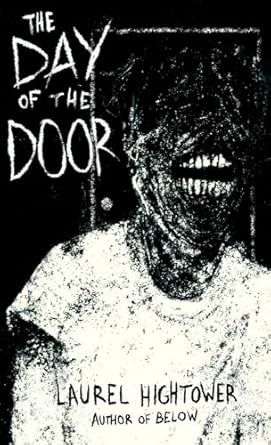
Once there were four Lasco siblings banded together against a world that failed to protect them. But on a hellish night that marked the end of their childhood, eldest brother Shawn died violently after being dragged behind closed doors. Though the official finding was accidental death, Nathan Lasco knows better, and has never forgiven their mother, Stella.
Now two decades later, Stella promises to finally reveal the truth of what happened on The Day of the Door. Accompanied by a paranormal investigative team, the Lasco family comes together one final time, but no one is prepared for the revelations waiting for them on the third floor.
GRADE: A-
REVIEW:
The Day of the Door by Laurel Hightower delivers a chilling and atmospheric ride, blending psychological terror with a fresh twist on the haunted house genre. Set in a seemingly ordinary home, the novel slowly unravels a deeply unsettling presence that blurs the line between reality and nightmare. Hightower excels in crafting a sense of unease from the very first page, with a building tension that grows into an almost palpable dread. The Lasco siblings want to find out exactly what happened the day Sean died, and Stella promises to give answers, only that as the book progresses, the siblings end up having more questions than before.
What sets this book apart from traditional haunted house stories is its exploration of personal trauma and grief, which heightens the supernatural horror. The house itself becomes a mirror to the protagonist’s inner turmoil, amplifying the horror he faces. The eerie presence in the house isn’t just a force from beyond but an intricate part of the protagonist’s emotional landscape, making the haunting feel personal and psychologically layered.
The writing is tight, with Hightower’s pacing carefully controlled to keep the reader on edge. The creeping horror never feels forced, instead, it’s a slow burn that builds to a climax of truly unsettling revelations. Hightower’s novel offers a unique perspective on the haunted house trope, showcasing not just a place of terror but a reflection of the deepest, darkest fears within the characters. Highly recommended for fans of atmospheric horror with emotional depth.
DID YOU ENJOY WHAT YOU JUST READ? IF YES, THEN SUBSCRIBE TO THE BLOG, GIVE THE POST A LIKE, OR LEAVE A COMMENT! NEW POSTS ARE UP EVERY TUESDAY & THURSDAY!
I fail to understand why men think violence will intimidate women.
PLOT SUMMARY:
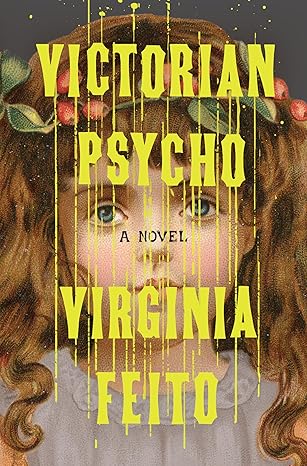
Grim Wolds, England: Winifred Notty arrives at Ensor House prepared to play the perfect governess—she’ll dutifully tutor her charges, Drusilla and Andrew, tell them bedtime stories, and only joke about eating children. But long, listless days spent within the estate’s dreary confines come with an intimate knowledge of the perversions and pathetic preoccupations of the Pounds family—Mr. Pounds can’t keep his eyes off Winifred’s chest, and Mrs. Pounds takes a sickly pleasure in punishing Winifred for her husband’s wandering gaze. Compounded with her disdain for the entitled Pounds children, Winifred finds herself struggling at every turn to stifle the violent compulsions of her past. French tutoring and needlework are one way to pass the time, as is admiring the ugly portraits in the gallery . . . and creeping across the moonlit lawns. . . .
Patience. Winifred must have patience, for Christmas is coming, and she has very special gifts planned for the dear souls of Ensor House. Brimming with sardonic wit and culminating in a shocking conclusion, Victorian Psychoplunges readers into the chilling mind of an iconic new literary psychopath.
GRADE: A
REVIEW:
Victorian Psycho is exactly what it sounds like: a twisted carnival of blood, mayhem, and delightful madness that somehow manages to have a voice so captivating, you’ll feel like you’re sipping tea with a homicidal maniac in a top hat. And let’s be clear—this book is fun. Not just fun in the “let’s play a nice board game” way, but the kind of fun where you’re throwing dice and hoping they don’t land in a pool of blood. The plot is ridiculously thrilling, with a twisted blend of Victorian manners and shocking, gory violence. The characters? They’re more memorable than a morning in a butcher shop, and every chapter feels like you’re being whirled through a carnival of chaos. Blood splatters on the page with the same frequency as witty one-liners—both equally delicious.
But here’s where the book really shines: the voice. The writing is pure, unadulterated joy. Imagine an author who’s had too much tea laced with a dash of dark humor and a pinch of madness. That’s the voice. It’s snarky, witty, and always one step away from tipping over into total insanity. You’ll be chuckling at the absurdity of it all, even as you wipe the bloodstains off your clothes.
The narrative isn’t just a story—it’s like you’re chatting with a delightful, if slightly unhinged, guide through a maze of murder and mayhem. And the blood—did I mention the blood? It’s there in all its crimson glory, a reminder that this isn’t a cozy Victorian novel where characters sip brandy and read poetry. It’s a bloody, thrilling roller coaster, and you won’t be able to put it down. In conclusion, Victorian Psycho is a masterclass in balancing dark humor with chaos and gore. It’s a wild ride you won’t forget—entertaining, bloody, and a perfect escape if you enjoy your stories with a touch of the macabre and a whole lot of wit.
*Thank you so much to NetGalley & Liveright for the audio copy of this book in exchange for an honest review!
DID YOU ENJOY WHAT YOU JUST READ? IF YES, THEN SUBSCRIBE TO THE BLOG, GIVE THE POST A LIKE, OR LEAVE A COMMENT! NEW POSTS ARE UP EVERY TUESDAY & THURSDAY!
I read a story on the internet about how elderly people without hobbies are among the saddest sacks on earth, although I’m sure I have that wrong and they didn’t use the word “sacks.” Anyway, it went on to say how having hobbies could greatly reduce one’s chances of developing dementia. They didn’t give a percentage and I would have liked a percentage, because if it’s only a one percent chance reduction, well then, why bother? But I guess they wouldn’t have written the whole article, in that case, or used the words “greatly reduce one’s chances” for that matter either, would they? So I decided I would like a hobby.
So, when I Googled “how to start a hobby” the first advice given was to break it into small steps so you’re not overwhelmed. For Christ’s sake, I didn’t Google how to embezzle diamonds from the Russian mafia, I was simply thinking I might take up cookie making or something. How could I get overwhelmed? Anyway…then I learned that professional cookie decorators call themselves “cookiers” and I just found the term so irritating I gave up on the whole thing.
Then Millie told me I could knit with her and I told Millie that she’s shamefully cliché, and how does she not have carpal tunnel by now? And it’s not really a hobby, is it? She’d be sitting in front of the television watching Bonanza with or without her knitting in hand, so it’s quite mindless, and I don’t think a hobby should be mindless. Bernie has taken up winemaking, but his room smells like a boiled egg, so I don’t think he’s doing it right. It’s still at the top of my list, though.
Gardening was a contender too. I was quite the gardener once, but the snow won’t melt until April, so that seems a long wait. I could be dead by then for all I know. But then Herb said I should make a podcast about gardening and share my wisdom with the world. This intrigued me—because I was once a news announcer on public radio, and in a way it’s a perfect idea. My love for plants and helping people learn, hmm. But how would one even begin? I just showed up and talked into a mic at the station, and that was long ago. I would need to figure out a lot of things, but learning it all would keep me busy, and maybe that’s a hobby all in itself. I was almost sold on the idea.
But then something very serendipitous happened. I was at Murph Moyer’s funeral, which was such a sad occasion since Murph had just had a hair transplant he was very excited about, and had planned a trip to the Bahamas to swim with the pigs. I guess that’s a thing… He even bought a bottle of spray tan on Amazon, and then just like that, a fall on the ice on his way down to The Angry Trout for a pint one night and that was it. And now he looks orange in his casket, poor Murph, and he never even got to put his new hair to good use. It’s like that these days, though. When you get to be our age, you start receiving invitations to a lot more funerals. And part of you gets used to it, but the main part of you never does.
At the reception, I was chatting with Rosie and Susan by the punch bowl. We were sitting in metal folding chairs and holding little slices of white cake on napkins when I noticed Winny pouring a long pull of scotch into a Santa Claus coffee mug and sitting by herself next to a fake ficus in need of dusting. She was hunched over her drink, and I saw her dot her eye with the corner of a napkin, so I excused myself and went to sit with her.
I could tell it wasn’t her first scotch because she had a glassy-eyed look and loose lips, but that’s a good thing. It was easy to get her to confide in me and tell me why she’d missed our bridge game last Tuesday and what in the world was the matter. I mean, I know her husband passed only a couple of months ago, of course. But he’d been battling severe diabetes complications and was in the hospital for who knows how long. He was even left unable to speak after a diabetes-induced stroke. Lord help him. It was a mercy, really, him passing. It was very expected. So I am quite surprised at what Winny tells me—that she thinks her husband was murdered and didn’t die of natural causes. Well, I had to set my punch on the floor next to me and rest my hand on my heart a moment.
“Sweetheart, why would you say that? Otis was so sick, bless him,” I say to her, placing my hands on her knees. I thought she lost the plot, if I’m honest, but I was still going to be sympathetic. She picks at Santa’s chipping glitter beard and talks into her lap.
“Something wasn’t right there,” she says with a haunted look on her face.
“What do you mean, love?” I ask, trying to look in her eyes so she’s forced to look back at me, but she continues to mumble. And I suppose I would speak quietly too if I were saying the crazy thing she was about to say.
“Someone there killed him,” she whispers.
“At the hospital?”
“Yes, Florence. I… Yes. I’m not just—I’m not crazy. I’m not making shit up.”
“Of course you’re not, dear,” I say, but I don’t really mean it. “Well, did you tell the police?” I ask, because what else does one ask in this sort of situation? “Of course, but they don’t believe me. I can tell. They say they’ll ‘have a look,’ whatever that means, but I know when I’m being condescended to. They will not have a look. Plus that old detective Riley has a head full of chipped beef. Has he ever helped anyone solve anything in this town?” she asks, becoming louder and more agitated as she goes. She puts her mug down and takes a deep breath.
To be fair, the only crime I can remember happening in the last few years in this town, besides petty bike theft or drunk fistfights, is the tragedy that happened to Mack and Shelby that terrible night last year, but I can’t blame Riley for that. It absolutely baffled everyone. He does have a head full of chipped beef though, I’ll give her that.
“Why would you think something like that, love? You know all of the hospital workers,” I say, which is a given. She pretty much knows everyone around here. “You think one of them hurt Otis? That’s…” I stop, because I don’t know what to say. It’s absurd and makes me worry for Winny. I wonder if she’s gone around telling other people this sort of thing.
“He told me,” she says, and since I know he was unable to speak, now I really zip my lip and just look over at the bottle of scotch on the refreshments table with a longing gaze, wondering how to kindly extract myself from the conversation.
“Something’s goin’ on around here, Flor. Something is happening. First Shel and Mack, and poor Leo wherever the hell he really is. Now this.” It’s strange to hear someone say “poor Leo,” because the general, mostly unspoken consensus is that he’s a rat bastard who ghosted his wife. I hope I’m using that term correctly. Ghosted. Anyway, I wonder if it would be rude to lean over and pick a few cucumber sandwiches off of the table while she’s talking. I do hate to be rude, but I really am famished, and I know Liddy Wingfield made them, and she uses the pimento cream cheese on them, which is a dream.
Before I can decide, Winny leans in conspiratorially.
“Can I show you something?” she asks.
“Of course,” I agree, giving up on my chance for a cucumber sandwich as she motions for me to follow her. The reception is at Dusty Waltman’s house because he and Murph were very good friends. I suppose he’s a nice enough man, I just can’t get past the urge to take a bottle of Pledge and a washrag after him each time I hear the name Dusty. Not his fault, I suppose, and his house is quite tidy, although too drafty for my taste.
Even so, I follow Winny down his front hall with the brown plaid wallpaper and creaky wood floors, and we pull our coats from a pile of other sad-looking black and navy down coats draped over an old steamer trunk near the door and walk out into the frozen air. It’s so cold the snow is having trouble trying to fall, and it swirls around the lampposts in light, icy specks. Before I can complain about freezing to death, I hear “My Heart Will Go On” start to play inside, and now I’m happy to be out here, so I give her a minute as I shift from foot to foot and blow on my hands while she pulls something from her pocket. Why do they play songs like that at funerals? Everyone is already sad, and now I can hear sobs from inside. I hope they play “Another One Bites the Dust” at my funeral. And have it at a Dave & Buster’s, where everyone will get free mojitos and play free SkeeBall, and not in a drafty house with peely wallpaper and stale sheet cake.
Winny finally fishes out whatever it is she’s been digging for, then shoves the pieces of a ripped-up sheet of paper at me. I take it, examining it and have no idea what the hell she’s playing at.
“What is it?” I ask. She takes the papers back, swipes a layer of snow off of Dusty’s porch swing, and sits. I sit next to her, and she lays them out on her knees.
“Look,” she says, and I do. I see a scrap with the words “Help me” scrawled across it, and another that reads “Trying to kill me.” But the words before it are torn away. She stares at me, waiting for a response. “Well, what is this?” I ask. “Otis wrote it. Look! This is the clearest one.” She puts a scrap on top of the others. It says, “You have to tell someone what’s happening here.” The last part says, “Warn Mack and Shel…” but the end of her name is torn away.
“See,” she says, “and then it stops, like he couldn’t finish.”
“I don’t… Why is this in scraps? Why would he write this?” I’m shivering from the cold, and my words come out in white puffs.
“All I can think is that he was trying to get this note to me. Maybe something happened when I went home that last night, because he was gone by morning and he never had a chance to give it to me. And then I think back to all the people who were in the room when I was there, and maybe he couldn’t risk giving it to me then, but I was there so much it’s all a blur. I can’t keep it all straight. I found it just a few days ago in the wooly sweater he always wore over his hospital gown. It was sitting in a bag for weeks and then I went through it all and… God. He was begging for help. I’ll never forgive myself. Maybe he didn’t want someone to find he’d written it—someone he was afraid of. I don’t know,” she says, tears welling in her eyes as she pushes the paper shreds back into her pocket.
“Why else would it be torn up?” she asks before I even have a chance to respond to all this shocking information. “I mean, that’s all that makes sense, right? For why it’s torn up? It’s like he was afraid of someone finding it, I mean why else? He was trying to warn me—to get help, and he was afraid the person who was after him would find it. I know how that sounds, but I have gone over this a million times in my head, and what other reason could there be?”
“Shit” is all I manage to say.
“My poor Otis, I couldn’t help him and he was all alone there with someone trying to hurt him. But who would want to hurt Otis? I mean, who in the world?” she says, and that’s exactly what I was going to ask.
“And you told all of this to Detective Riley?” I ask.
“Yeah right. What do you think he’d say—that Otis had a stroke and we didn’t know the extent of the damage, so this was probably some delusion or paranoia?” she says, and he would have a point, of course. “But I know my Otis, and he seemed different those last days. I know, of course, a stroke makes people different, but I still know him, Florence. I know him, and I saw his eyes change. Now I think it was fear, not just being sick, but…this…” She half motions to the papers in her pocket.
“I can’t let it go. I can’t have his cries for help literally in my hand and blow it off as paranoia. I need to find out the truth. And fine, people can think whatever they want about me, but what about Mack…and poor Shelby Dawson. It was a warning to them too.”
“You think he meant they’re in danger?” I ask. She closes her eyes and blows a cone of white mist into the frozen air, shaking her head. “I don’t know,” she says. “Yeah. Maybe.”
“This could all be connected,” I sort of mumble to myself, thinking about any reason why, even if he was suffering from some delusion, he would bring Mack and Shelby into it. That’s pretty specific for a delusional man’s imaginings. Winny holds her head in her hands and I put my arm around her shoulder. We shiver together for a few moments.
“I believe you,” I say.
“You do?” she asks, straightening up and looking at me with wet, desperate eyes.
“If there’s some motherfucker out there responsible for this, we’re gonna find him,” I say. She puts her arms around me and cries while I hold her and tell her it’s going to be okay.
And that’s the moment everything was set in motion. I didn’t know it then, but hunting a killer would become my new hobby, not gardening, as it turns out.
DID YOU ENJOY WHAT YOU JUST READ? IF YES, THEN SUBSCRIBE TO THE BLOG, GIVE THE POST A LIKE, OR LEAVE A COMMENT! NEW POSTS ARE UP EVERY TUESDAY & THURSDAY!
Helaine stumbled forward, unable to see through the black void that surrounded her. She could feel the shoulders of the others jostling on either side. The smell of unwashed bodies rose, mingling with Helaine’s own. Her hand brushed against a rough wall, scraping her knuckles. Someone ahead tripped and yelped.
Hours earlier, when Helaine had been brought from her underground cell at the police station into the adjacent holding area, she was surprised to see other women waiting. She had not encountered anyone since her arrest. She had studied the women, who looked to be from all walks of life, trying to discern some commonality among their varied ages and classes that had caused them to be here. There was only one: they were Jews. The yellow star they wore, whether soiled and crudely sewn onto a worn, secondhand dress or pressed crisply against the latest Parisian finery, was identical—and it made them all the same.
They had stood in the bare holding area, not daring to speak. Helaine was certain that her arrest had been some sort of mis take. She had done nothing wrong. They had to free her. But even as she thought this, she knew that the old world of being a French citizen with rights was long gone.
An hour passed, then two. There was nowhere to sit, and a few people dropped to the floor. An elderly woman dozed against the wall, mouth agape. But for the slight rise and fall of her chest, she might have been dead. Hunger gnawed at Helaine and she wished that she still had the baked goods she purchased at the market just before she was taken. The meager breads, which had seemed so pathetic days earlier, now would have been a feast. But her belongings had been confiscated at arrest.
Helaine looked upward through the thin slit of window near the ceiling. They were still in Paris. The sour smell from the city street and the sounds of cars and footsteps despite the curfew were familiar, if not comforting. How long they would stay here, she did not know. Helaine was torn. She did not want to remain in this empty room forever. Yet she also dreaded leaving, for wherever they were going would surely be worse.
Finally, the door had opened. “Sortir!” a voice ordered them out in native French, reminding Helaine that the policemen, who had brought them here and who were keeping them captive, were not Germans, but their own people.
Helaine had filed into the dimly lit corridor with the others. They exited the police station and stepped outside onto the pavement. At the sight of the familiar buildings and the street leading away from the station, Helaine momentarily considered fleeing. She had no idea, though, where she would go. She imagined running to her childhood home, debated whether her estranged mother would take her in or turn her away. But the women were heavily guarded and there was no real possibility of escape. Instead, Helaine breathed the fresh air in great gulps, sensing that she might not be in the open again for quite some time.
The women were herded up a ramp toward an awaiting truck. Helaine recoiled. They were being placed in the back part of the vehicle where goods should have been carried, not people. Helaine wanted to protest but did not dare. Smells of stale grain and rotting meat, the truck’s previous cargo, assaulted her nose, mixing with her own stench in the warm air. It had been three days since she had bathed or changed and her dress was wrinkled and filthy, her once-luminous black curls dull and matted against her head.
When the women were all inside the truck, the back hatch shut with an ominous click. “Where are they taking us?” someone whispered. Silence. No one knew and they were all too afraid to venture a guess. They had heard the stories of the trains headed east to awful places from which no one ever returned. Helaine wondered how long the journey would be.
As they bumped along the Paris streets, Helaine’s bones, already sore from sleeping on the hard prison cell floor, cried out in pain. Her mouth was dry and her stomach empty. She wanted water and a meal, a hot bath. She wanted home.
If home was a place that even existed anymore. Helaine’s husband, Gabriel, was missing in Germany, his fate unknown. She had scarcely spoken with her parents since before the war. And Helaine herself had been taken without notice. Nobody knew that she had been arrested or had any idea where she had gone. It was as if she simply no longer existed.
To distract herself, Helaine tried to picture the route they were taking outside the windowless truck, down the boulevards she had just days earlier walked freely, past the cafés and shops. The familiar locations should have been some small comfort. But this might well be the last time she ever came this way, Helaine realized, and the thought only worsened her despair.
Several minutes later, the truck stopped with a screech. They were at a train station, Helaine guessed. The back hatch to the truck opened and the women peered out into pitch blackness. “Raus!” a voice commanded. That they were under the watch of Germans now seemed to confirm Helaine’s worst fears about where they were headed. “Schnell!” Someone let out a cry, a mix of the anguish and uncertainty they all felt.
The women clambered from the truck and Helaine stumbled, banging her knee and yelping. “Quiet,” a woman’s voice beside her cautioned fearfully. A hand reached out and helped her down the ramp with an unexpectedly gentle touch.
Outside the truck it was the tiniest bit lighter, and Helaine was just able to make out some sort of loading dock. The group moved forward into a large building.
Now Helaine found herself in complete darkness once more. This was how she had come to be in an unfamiliar building, shuffling forward blindly with a group of women she did not know, uncertain of where they were going or the fate that might befall them. She could see nothing, only feel the fear and confusion in the air around her. They seemed to be in some sort of corridor, pressed even more closely together than they had been. Helaine put her hand on the shoulder of the woman in front of her, trying hard not to fall again.
They were herded roughly through a doorway, into a room that was also unlit. No one moved or spoke. Helaine had heard rumors of mass executions, groups of people gassed or simply shot. The Germans might do that to them now. Her skin prickled. She thought of those she loved most, Gabriel and, despite everything that had happened, her parents. Helaine wanted their faces, not fear, to be her final thought.
Bright lights turned on suddenly, illuminating the space around them. “Mon Dieu!” someone behind her exclaimed softly. Helaine blinked her eyes, scarcely daring to believe what she saw. They were not in a camp or a prison at all. Instead, they were standing in the main showroom of what had once been one of the grandest department stores in Paris.
DID YOU ENJOY WHAT YOU JUST READ? IF YES, THEN SUBSCRIBE TO THE BLOG, GIVE THE POST A LIKE, OR LEAVE A COMMENT! NEW POSTS ARE UP EVERY TUESDAY & THURSDAY!
A confidence scheme, when properly executed, will follow five movements in close and inviolable order:
I. The Mark.
Wherein a fresh quarry is perceived and made the object of the closest possible study.
II. The Intrusion.
Wherein the quarry’s outer layers must be pierced, his world peeled open…
III. The Ballyhoo.
Where a golden opportunity shall greatly tempt and dazzle the quarry…
IV. The Knot.
Wherein the quarry is encircled by his new friends, and naysayers are sent gently on their way…
V. All In.
Where all commitments are secured, and the business is happily—and irrevocably—concluded.
A coda: there may be many counterstrikes along the way, for such is the nature of the game; it contains so many sides, so many endless possibilities…
Rulebook—1799.
Day One
The Mark
1
Quinn
Five days earlier
Here was how it began. Four miles east of Berkeley Square, a few turns from Fashion Street and several doors down from the synagogue, stood a humble old house in Spitalfields. Four floors high, four bays across. Rose-colored shutters, a green trim to the door. A basement kitchen hidden from the street, and a colony of house sparrows nesting in the eaves, feasting on bread crusts and milk pudding scrapings.
On the first floor, behind peeling sash windows, stood Quinn Le Blanc.
She changed her gloves. She had a fine selection at her disposal, per her exalted rank in this neighborhood—chevrette kid, mousquetaire, pleated gloves for daytime, ridged ones for riding, silk-lined, fur-edged. All shades, too—dark, tan, brandy, black, mauve. No suede, of course. And no lace: nothing that could snag. The purpose of the glove was the preservation of the skin. Not from the sun, not from the cold.
From people.
She pulled on the French kid—cream-colored with green buttons—flexed her fingers, tested the grip. For she was the reigning Queen of Fives, the present mistress of this house; the details were everything.
“Mr. Silk?” she called from the gaming room. “Have you bolted the rear doors?”
His voice came back, querulous, from the stairs. “Naturally I have.” Then the echo of his boots as he clumped away.
The gaming room breathed around her. It was hot, for they kept a good strong fire burning year-round, braving incineration. But now she threw cold water on the grate, making the embers hiss and smoke. She closed the drapes, which smelled as they always did: a tinge of tobacco and the sour tint of mildew. Something else, too: a touch of cognac, or absinthe—one of the prior queens had enjoyed her spirits.
Quinn examined the room, wondering if she should lock away any valuables for the week. Of course, she had no fears of not returning on schedule, in triumph, per her plan—but still, she was venturing into new and dangerous waters. Some prudence could serve her well. The shelves were crammed with objects: hatboxes, shoeboxes, vinegars, perfume bottles, merino cloths, linen wrappings. But then she decided against it; she despised wasting time. The most incriminating, valuable things were all stored downstairs, in the bureau.
The bureau contained every idea the household ever had, the schemes designed and played by generations of queens. It stood behind doors reinforced with iron bolts, windows that were bricked up and impassable. It was safe enough, for now.
“Quinn?” Silk’s voice floated up the stairs. “We must be punctual.”
“We will be,” she called back with confidence.
Confidence was all they had going for them at the Château these days.
The Château. It was a pompous name for a humble old house. But that was the point, wasn’t it? It gave the place a sense of importance in a neighborhood that great folk merely despised. There were tailors and boot finishers living on one side, cigar makers and scholars on the other, and a very notorious doss-house at the end of the road. Quinn had lived in it nearly all her life, alongside Mr. Silk.
Quinn descended the creaking staircase, flicking dust from the framed portraits lined along the wall. They depicted the Château’s prior queens, first in oils, later in daguerreotype, with Quinn’s own picture placed at the foot of the stairs. Hers was a carte de visite mounted in a gilt frame, adorned with red velvet curtains. In it, Quinn wore a thick veil, just like her predecessors. She carried a single game card in one hand, and she was dressed in her inaugural disguise—playing the very splendid “Mrs. Valentine,” decked in emerald green velvet, ready to defraud the corrupt owners of the nearby Fairfield Works. She was just eighteen, and had already secured the confidence of the Château’s other players—and she was ready to rule.
That was eight years ago.
Quinn rubbed the smeared glass with her cuff. The house needed a good spring clean. She’d given up the housekeeper months ago; even a scullery maid was too great an expense now. Glancing through the rear window, she caught her usual view of the neighborhood—rags flapping on distant lines, air hazed with smoke. The houses opposite winked back at her, all nets and blinds, their disjointed gardens tangled and wild. She fastened the shutters, checking the bolts.
Silk was waiting by the front door. “Ready?” He was wearing a bulky waistcoat, his cravat ruffled right up to his chin. His bald head shone in the weak light.
Quinn studied him, amused. “What have you stuffed yourself with?”
“Strips of steel, if you must know.”
“In your jacket?”
“Yes.”
“For what reason?”
“My own protection. What else?”
Quinn raised a brow. “You’re developing a complex.”
“We’re living in a violent age, Le Blanc. A terribly violent age.”
Silk was forever clipping newspaper articles about foreign agitators, bombs being left in fruit baskets on station platforms.
“Stay close to me, then,” Quinn said, hauling open the front door, squinting in the light.
Net curtains twitched across the road. This was a quiet anonymous street, and the location of the Château was a closely guarded secret, even among their kind. But the neighbors kept their eyes on the Château. Nobody questioned its true ownership: the deeds had been adulterated too many times, sliced out of all official registers. In the 1790s, it was inhabited by an elusive Mrs. B—(real name unknown). Some said she’d been a disgraced bluestocking, or an actress, or perhaps a Frenchwoman on the run—a noble comtesse in disguise! She caught the neighborhood’s imagination; they refashioned her in their minds. B—became “Blank,” which in time became “Le Blanc.” Her house was nicknamed le Château. Smoke rose from the chimneys; queer characters came and went; the lights burned at all hours. Some said Madame Le Blanc had started a school. Others claimed it was a brothel.
In fact, it was neither.
It was something much cleverer.
The Queen of Fives. They breathed the title with reverence on the docks, down the coastline. A lady with a hundred faces, a thousand voices, a million lives. She might spin into yours if you didn’t watch out… She played a glittering game: lifting a man’s fortune with five moves, in five days, before disappearing without a trace.
The sun was inching higher, turning the sky a hard mazarine blue. “Nice day for it,” Quinn said, squeezing Silk’s arm.
Silk peered upward. “I think not.” He’d checked his barometer before breakfast. “There’s a storm coming.”
Quinn could feel it, the rippling pleasure down her spine. “Better and better,” she replied. “Now, come along.”
They made an unassuming pair when they were out in public. An older gentleman in a dark and bulky overcoat, with a very sleek top hat. A youngish woman in dyed green furs, with a high collar and a sharp-tilted toque. He with his eyes down, minding his step. She with her face veiled, gloves gripped round an elegant cane. Always listening, watching, rolling dice in their minds.
Silk and Quinn had a single clear objective for the day. Audacious, impossible, outrageous—but clear. He showed her his appointment book: Three p.m.—Arrive in ballroom, Buckingham Palace, en déguisé.
“In disguise? Doesn’t that go without saying?”
“You tell me. Has your costume been delivered?”
“Not yet. But we have a more serious impediment.”
“Oh?” he asked her.
“I’ve still not received my invitation card to the palace.”
They turned into Fournier Street. Silk tutted. “I’ve dealt with that. Our old friend at the Athenaeum Club will oblige you.”
“You’re quite sure? We’ve never cut it so fine before.”
“Well, you might need to prod him a little.”
“Just a little?”
“The very littlest bit, Quinn.”
Unnecessary violence was not part of their method. But persuasion—well, that was essential. Let’s call a spade a spade: the Château was a fraud house, a cunning firm, a swindler’s palace ruled by a queen. It made its business by cheating great men out of their fortunes. In the bureau stood the Rulebook, its marbled endpapers inscribed with each queen’s initials, setting the conditions of their games.
And this week the Queen of Fives would execute the most dangerous game of her reign.
Quinn paused outside the Ten Bells. “Very well. We can’t afford any slips. I’ll go to the Athenaeum now. Anything else?”
Silk shook his head. “Rien ne va plus.” No more bets.
They gripped hands. He gave her his usual look: a fond gaze, then a frown. “Play on, Le Blanc.”
She grinned at him in return. “Same to you, old friend.”
DID YOU ENJOY WHAT YOU JUST READ? IF YES, THEN SUBSCRIBE TO THE BLOG, GIVE THE POST A LIKE, OR LEAVE A COMMENT! NEW POSTS ARE UP EVERY TUESDAY & THURSDAY!
In today’s fast-paced world, finding time to read can often feel like a challenge. Whether you’re trying to catch up on your book list, read for personal development, or simply enjoy a good story, it can seem difficult to make room for reading amidst your busy schedule. However, with a little intention and some practical strategies, you can easily incorporate more reading into your daily routine. Here’s how to read more—and make it a consistent habit.
1. Set Clear Reading Goals
One of the most effective ways to increase your reading is to set specific, measurable goals. Instead of just saying, “I want to read more,” make your goal concrete. For example, aim to read for 30 minutes every day, or set a target of reading 10 pages before bed. Break larger goals into smaller, more manageable chunks—like reading one chapter each day—and track your progress. These small wins will keep you motivated and focused on your reading journey.
2. Create a Reading Schedule
The key to making reading a consistent habit is setting aside time for it. If you don’t schedule reading into your day, it’s easy for other tasks to take priority. Choose a time of day that works best for you—whether it’s first thing in the morning, during lunch, or right before bed—and stick to it. Even 15-20 minutes a day can lead to significant progress over time.
3. Make Your Books Accessible
If you only have a few books in your house or they’re tucked away in a shelf, it can be harder to remember to read. Keep your current book or audiobook easily accessible—whether that’s on your nightstand, in your bag, or on your phone if you prefer digital reading. Having your book readily available increases the chances that you’ll read when you have a few spare minutes. The more visible your books are, the more likely you’ll be to pick one up.
4. Limit Distractions
One of the most common reasons people don’t read as much as they’d like is distractions, particularly from technology. Social media, TV shows, and apps all compete for your attention. To improve your focus while reading, create a quiet environment. Turn off notifications on your phone, or set your phone to “Do Not Disturb” mode. If you find it hard to focus, try reading in short bursts—10 to 15 minutes at a time—without interruptions.
5. Use Audiobooks
Audiobooks are a great way to incorporate more reading into your day, especially if you have a busy schedule. You can listen to audiobooks during your commute, while exercising, or even while doing household chores. Audiobooks also allow you to “read” while doing other things, making it easier to consume more books over time. Many audiobooks come with great narration that can make the experience even more enjoyable.
6. Join a Book Club or Reading Challenge
Being part of a reading community can help motivate you to read more. Whether it’s a local book club or an online group, connecting with others who share your love of reading can inspire you to read more consistently. You can discuss books, get recommendations, and hold each other accountable. Additionally, participating in reading challenges (like reading a certain number of books in a year) can push you to stay on track and make reading a fun goal.
7. Read What You Enjoy
It’s easier to read more when you enjoy the material you’re reading. If you’re struggling to get through a book, don’t be afraid to switch to something that captures your interest. Whether it’s fiction, non-fiction, memoirs, or self-help, reading should be enjoyable—not a chore. When you’re excited about what you’re reading, it won’t feel like an obligation.
8. Use Reading Apps
There are plenty of apps that can help you stay on top of your reading goals. Apps like Goodreads allow you to track your progress, set reading goals, and get book recommendations. Many apps also offer digital versions of books or even audiobooks, making it easier to read on the go. Digital libraries, like Kindle or Apple Books, give you instant access to a wide range of titles without leaving your home.
9. Start Small and Build Up
If you’ve been out of the reading habit for a while, don’t feel like you have to jump into reading large books right away. Start with shorter books, articles, or even essays. Set modest goals—such as reading one chapter a day—and gradually build up to more. The key is consistency. Even if you read for just 10 minutes a day, you’ll develop a habit that can eventually lead to more reading over time.
10. Combine Reading with Other Habits
If you’re trying to fit more reading into your day, consider pairing it with other habits. For example, you could read for 10 minutes after your morning coffee or while winding down before bed. Associating reading with a routine you already have can help solidify the habit. Just like brushing your teeth, when reading becomes a part of your daily rhythm, it becomes automatic.
11. Reevaluate Your Reading Environment
The physical environment in which you read can significantly impact your ability to focus and enjoy your reading sessions. Ensure that your reading space is comfortable, well-lit, and free from distractions. Whether it’s a cozy chair, a park bench, or a quiet corner in your home, creating the right atmosphere can make reading more enjoyable and encourage you to read longer.
In Closing…
Reading is one of the most rewarding activities you can do for your mind and soul. By setting goals, creating a routine, limiting distractions, and exploring different formats, you can easily incorporate more reading into your daily life. Remember, the key is consistency, not perfection. Start small, stay committed, and enjoy the wonderful journey that reading can offer. Happy reading!
DID YOU ENJOY WHAT YOU JUST READ? IF YES, THEN SUBSCRIBE TO THE BLOG, GIVE THE POST A LIKE, OR LEAVE A COMMENT! NEW POSTS ARE UP EVERY TUESDAY & THURSDAY!





 The Inkblotters