Women in Horror Interview Series: Sonora Taylor

Sonora Taylor is an American horror writer known for blending psychological dread with surreal and often unsettling themes. Her work frequently explores identity, body horror, and emotional trauma through novels, novellas, and short stories in the modern indie horror scene.

Can you talk about your latest book and what readers might find appealing about it

My next book is a novelette called “Passing Glance,” which appears in SPLIT SCREAM VOL. 8: CURSED PLACES. It’s about a woman who attends her friend’s 30th birthday party at an eccentric mansion filled with mirrors that may or may not be cursed. It’s based o a wild museum I went to in Washington, D.C., called the O Street Mansion, which is filled with quirky decor that gives the place a sinister vibe. I walked through it, though, I felt like the place itself wasn’t haunted, but the mirrors definitely were. I think readers will enjoy how twisty and strange it is, with something creepier around every corner. I sometimes felt as discombobulated as the main character while writing her journey! It’s coming out April 21 from Tenebrous Press, and you can preorder it here.

What’s a book you can’t stop recommending?

Sky Daddy by Kate Folk. It’s a novel about a woman who is romantically attracted to airplanes. She believes it’s her fate to be chosen by a plane who will then “marry” her by melding their bodies into one–ie, crashing. So, she spends a lot of time each month flying planes in the hopes she’ll be chosen, but this desire hits a hiccup when her best friend at work starts to hang out with her more often in their off-hours. It was so strange and wonderful, and the depiction of the female friendship was really great.

Can you explain your writing process? What inspires you?

Most of my stories start with one thought, and that thought is usually “Wouldn’t it be funny if”, but with something that’s not that funny unless you share my gallows humor. For instance, “Wouldn’t it be funny if a serial killer’s mom was so proud of them, they hung up their trophies like A+ tests on a cork board?” became Without Condition. From there, I try to dig deeper into more than just that thought, and usually end up with something much darker but also much richer.

Is there a snack or drink that gets you into a writing mindset?

Ooh, good question. Probably tea. I try not to eat while I’m writing (I’ve been trying to be better in general about not doing other things while I eat). I’m a tea fanatic and have so many different kinds.

Are there any horror tropes you especially love in books or films?

Haunted houses. I love a good ghost story. Stories from the perspective of the killer, because I find a fractured mind much scarier to inhabit.

Who’s your favorite final girl?

Selena from 28 Days Later. Though I guess both she and Hannah survived. Still, she’s amazing. 28 Days Later is my favorite horror movie. (I don’t acknowledge the sequels)

Are you currently working on anything new?

I am working on two longer stories: one about a TV cooking show host embarking on a “good for her” change in career, and a ghost story about the spirit of a little girl blamed for children’s deaths in her neighborhood, and her one surviving friend’s quest to discover the truth about her.

Bio:

Sonora Taylor (she/her) is the award-winning author of several books and short stories, including Errant Roots, Little Paranoias: Stories, and Without Condition.  She also co-edited Diet Riot: A Fatterpunk Anthology with Nico Bell. Her short stories have been published by Tenebrous Press, Rooster Republic Press, PseudoPod, Kandisha Press, Camden Park Press, Cemetery Gates Media, Tales to Terrify, Sirens Call Publications, Ghost Orchid Press, and others.

Her short stories and books frequently appear on “Best of the Year” lists. In 2020, she won two Ladies of Horror Fiction Awards: one for Best Novel (Without Condition) and one for Best Short Story Collection (Little Paranoias: Stories). In 2022, her short story, “Eat Your Colors,” was selected by Tenebrous Press to appear in Brave New Weird: The Best New Weird Horror Vol. 1. In 2024, her nonfiction essay, “Anything But Cooking, Please,” was a Top 15 finalist in Roxane Gay’s Audacious Book Club essay contest.

She co-managers Fright Girl Summer, an online book festival highlighting marginalized authors, with V. Castro. She also serves on the board of directors of Scares That Care.

Her latest short story collection, All the Pieces Coming Together: Collected Works, is out now from Manta Press. She lives in Arlington, Virginia, with her husband and a rescue dog.

DID YOU ENJOY WHAT YOU JUST READ? IF YES, THEN SUBSCRIBE TO THE BLOG, GIVE THE POST A LIKE, OR LEAVE A COMMENT! NEW POSTS ARE UP EVERY TUESDAY & THURSDAY!
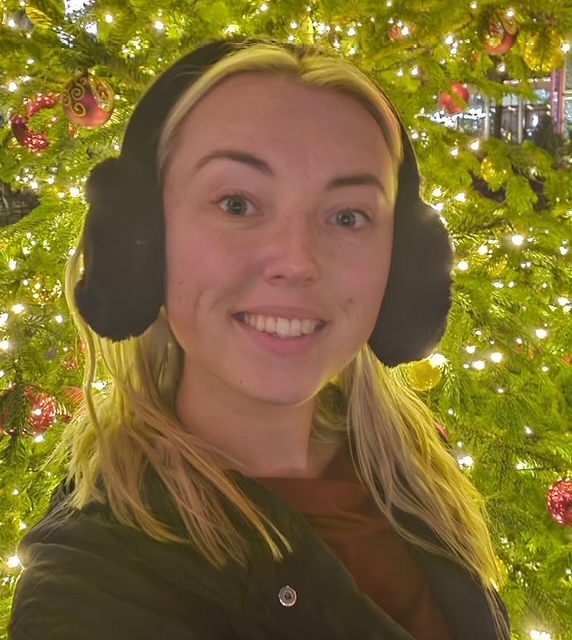
Women in Horror Interview Series: TM Lunn

TM Lunn is a horror writer that explores feminist themes in a provocative new ways.

Can you talk about your latest book and what readers might find appealing about it?

The Final Chapter is a standalone short novella (part of the Fight Like Final Girls series with other indie women in horror) which follows the day in the life of a thriller writer, interspersed with some fairly gruesome survival stories. If you like strong female characters and getting into some feminine rage, you’d definitely enjoy!

What’s a book you can’t stop recommending?

You Invited It In by Sarah Jules is one of my absolute favourite readers. Besides being a lovely person and supporter of fellow indie authors, Jules’ story of evil spirits and possession had me terrified the entire time.

Can you explain your writing process? What inspires you?

I would describe my writing process as fairly chaotic! I write sporadically, pretty much just when inspiration strikes and interrupts my procrastination enough. I love a project though which is why you’ll often find me in anthologies and collections. I write most of what I come up with from some version of real life and have fun twisting it into horror.

Is there a snack or drink that gets you into a writing mindset?

I’m such a snacker! Crisps are my weakness, anything salty, but always followed by something sweet. Caramel dairy milk chocolate it my favourite.

Are there any horror tropes you especially love in books or films?

I’m all about the final girls, especially those that subvert the original archetype. And to be honest, I love a bleak ending!

Who’s your favorite final girl?

That’s a tough one. I’ve always loved Sydney from Scream for her resilience and no-nonsense attitude. I also love Tree from Happy Death Day for her smarts and flaws.

Are you currently working on anything new?

I’m incredibly honoured to be featured in a horror anthology called My Friends In Hell coming May 1st. And I’m currently working on my first full length novel to release next year which I’m really excited about.

DID YOU ENJOY WHAT YOU JUST READ? IF YES, THEN SUBSCRIBE TO THE BLOG, GIVE THE POST A LIKE, OR LEAVE A COMMENT! NEW POSTS ARE UP EVERY TUESDAY & THURSDAY!
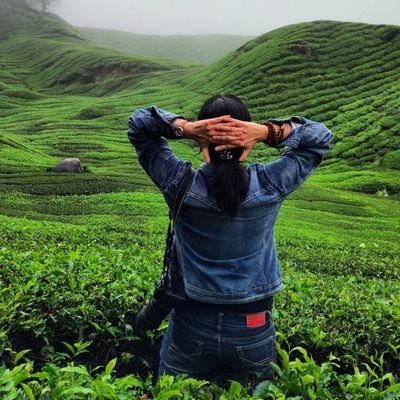
Women in Horror Interview Series: Joni Chng

Joni Chng is a horror author with many of her stories appearing in various anthologies.

Can you talk about your latest book or story and what readers might find appealing about it?

I’ll just recommend my three latest published short stories:
Becoming the Deathless, published in the Into the Dread Unknown anthology in 2025, if you love Slavic mythology. This is a villain origin story sort of retelling of how Koschei the Deathless attained his immortality. It’s the first retelling I ever did, and I had fun with it.

Next, check out my first fantasy story published, Moonlight City of the Hidden Ones in A Spoonful of Malaysian Magic by Malaysian indie publisher, Teaspoon Publishing. It has extensive world building that will be explored in my future work.

My third recommendation is Faceless Portraits in The Big Book of Malaysian Horror Stories. I thought I invented a phobia for my protagonist when I wrote this story in the midst of the pandemic lockdown. It was only when I was giving this recommendation that I learned from a quick Google search of “fear of faceless people” about masklophobia – an irrational fear of people with hidden, obscure and absent faces, often rooted in an inability to read emotions, creating feelings of uncertainty and danger. I’m proud to say I was quite on point with my main character, but there’s more to his avoidant personality and masklophobia in the story. This anthology was published in 2022, with my story being one of 20 (but the illustration for my story is the cover art). If you want to explore horror beyond western media, I highly recommend it.

What’s a book you can’t stop recommending?

Misery by Stephen King. It’s technically and conceptually brilliant and a good introductory book for those getting into King’s work and horror fiction in general. It was my first King book. It is a must-read for aspiring writers looking to improve their craft. The first few pages that introduce us to the protagonist and his predicament are so masterfully written that you can feel a sort of phantom pain from the descriptive prose alone.

It also shows that horror can come in so many forms that it needn’t have a ghost or serial killer.

Can you explain your writing process? What inspires you?

I tend to work within my own pocket universe, which I continue to build and expand with each story I write. This fictional universe of mine is an alternative to our current reality; there is magic, there are mythical and divine beings, and weird science. Every time I start a new project, whether it’s a book or short story, I go into this universe and see what kind of stories can be told from there, with its laws are at play. So, with a very few exceptions, if you see any of my stories published in anthologies and journals, know that they all take place in the same universe.

Inspiration comes to me everywhere, really. Culture, history, myths, folklore, the latest scientific discovery, from observation, even something mentioned in passing in a conversation or a comment under a social media post can spark an idea. You can’t be a good storyteller without a curiosity and a certain love for the pursuit of knowledge. Every rabbit hole I ventured down is a potential building block for my universe.

Is there a snack or drink that gets you into a writing mindset?

Usually just morning coffee before I start working. I make it a point to not eat while I work; it’s not a good habit conducive to focus, not to mention having food around your workspace can be a messy disaster waiting to happen. What if you get crumbs in your keyboard or worse, spill something over your work? So, yeah…not recommended.

Are there any horror tropes you especially love in books or films?

I have a special love for religious horror or holiday horror (that is not Halloween), just about anything that juxtaposes a happy occasion with something dreadful and morbid. There’s something so undeniably unsettling about finding a deeper darkness behind what’s supposed to be sacred, holy and joyful. And once you see it, you cannot un-see it.

My particularly favorite is something called the “clashing of red and white” often done in Chinese language media. In Chinese, a “red affair” refers to auspicious, happy events associated with celebration, usually weddings, with red being an auspicious color. Meanwhile, white is the color of mourning. A “white affair” refers to sombre events associated with death. So, the ghost bride is a common trope. There’s also a belief in Chinese culture that if a person is killed dressed in red, the spirit will return to seek revenge. What would make for a more wrathful spirit than being killed on one’s wedding day, right?

Visually, with the traditional Chinese wedding procession, the bride is carried to her husband’s house seated inside a box-like sedan chair. It’s not that different from a funeral procession with the deceased being carried in a coffin (essentially another box). When you think about it, a wedding is symbolically a woman’s funeral, where her identity and personhood dissolves.

Who’s your favorite final girl?

I have a few, but for now, the one I can think of is Margot, in the movie, The Menu, played by Anya Taylor-Joy. She survives because of her empathy for the villain and quick-thinking.

Are you currently working on anything new?

I’m currently on the last leg of revisions for my first novel and hoping to start shopping for a publisher by mid-2026. It is an urban fantasy, set in Malaysia where I live. It will be the first book in a series of standalone but interconnected novels set in the same universe. It has fae folks, Chinese Gods, Hindu Gods and vampires walking among humans. That’s all I’ll say about it without giving away too much.


For a taste of this corner of my universe, read my aforementioned short story, Moonlight City of the Hidden Ones.

You can find more of Joni’s writing here: jonichng.substack.com

DID YOU ENJOY WHAT YOU JUST READ? IF YES, THEN SUBSCRIBE TO THE BLOG, GIVE THE POST A LIKE, OR LEAVE A COMMENT! NEW POSTS ARE UP EVERY TUESDAY & THURSDAY!
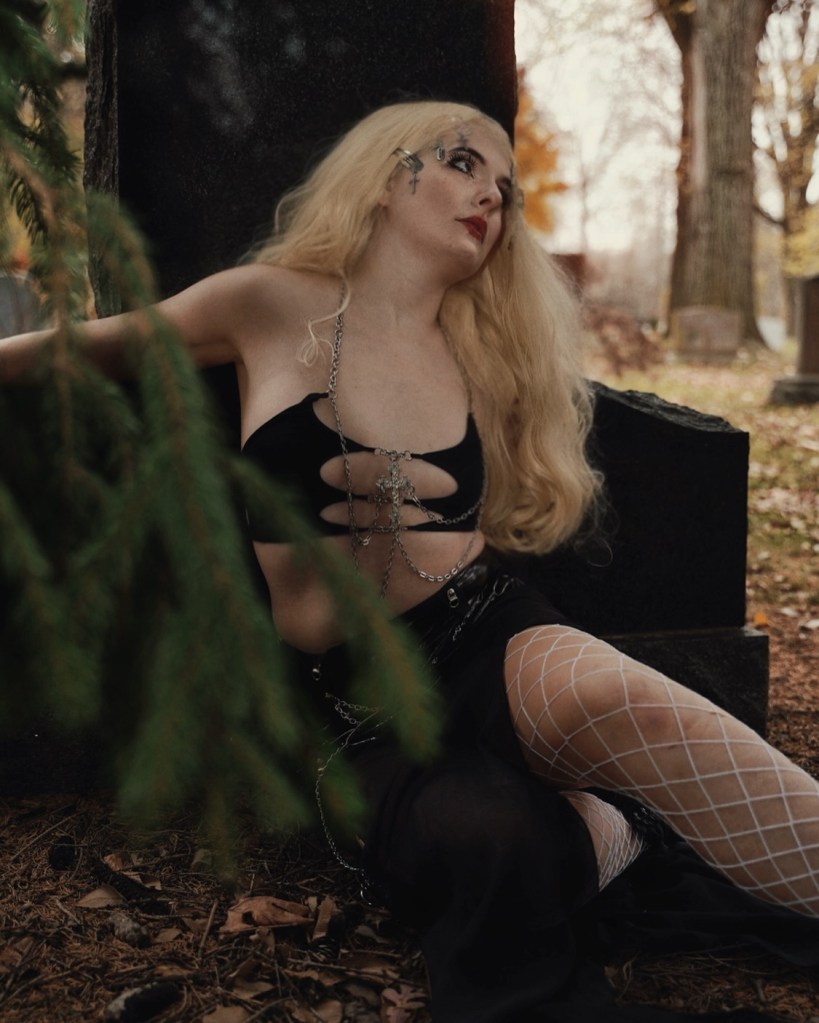
Women in Horror Interview Series: Pascale Potvin

Pascale Potvin is a bit of a triple threat, author, filmmaker, and actress.

Can you talk about your latest book and what readers might find appealing about it?

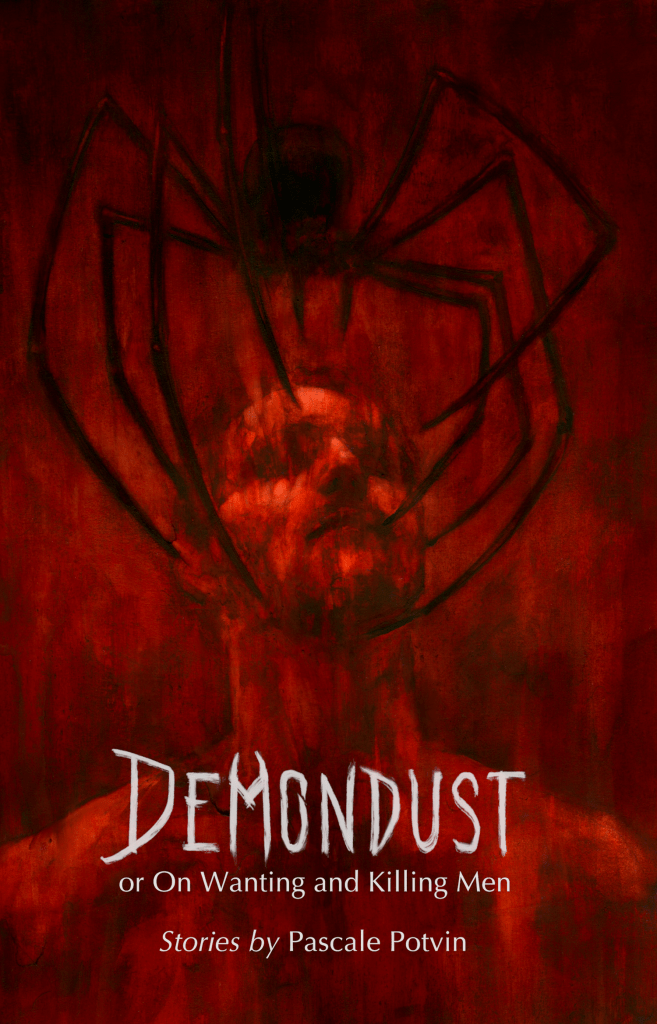
Game Over Books recently published Demondust, or On Wanting and Killing Men, my short story collection that I guess is self explanatory—the demon that is loving men and the dust that is killing them. But the book is not just about those things. In general, they’re stories for people who like quieter, interior, self-inflicted horrors of any gender/kind. In a context where thought is the ultimate masochism, the horror skews abstract and unreliable, in itself, as a means of getting into your head if you’ll let me.

What’s a book you can’t stop recommending?

Lolita is one of the best works of literary horror—change my mind…

Can you explain your writing process? What inspires you?

My process can be all over the place, also depending on what genre or form I’m working with. Before I was medicated, horror was my saving grace and a cathartic means of ‘fictionalizing’ things that were too real. More so then, but even now, my writing sparks the most at night when my inhibitions are lowered. Across genres, a lot of it starts with a big existential or metaphysical question (which horror just lets me answer in the most deranged way available.)

Is there a snack or drink that gets you into a writing mindset?

Honestly, wine, but the problem is it’s also an easy road to losing focus. So I actually really like non-alcoholic white wine for that purpose (the *vibes*).

Are there any horror tropes you especially love in books or films?

I love an unstable body. Possessed, transformed, decaying, etc. We could write a million original stories from that trope—and we will—because it’s a terror so inherent to us. Even more than that, I love an unstable reality: my favourite type of book or movie is probably the kind where I have to go and Google “___ ending explained” and can lie there reading reddit threads of speculation before bed.

Who’s your favorite final girl?

Good question. Maybe Maxine from X!

Are you currently working on anything new?

Yes, a lot of little things and a new screenplay. I’ve co-written a book of autofictional/experimental erotic horror that has been ready to go for a while now. The working title is Gasps That Seduced Even Ghosts as They Flew By. One of its main pieces is coming soon in an anthology titled SMUT, so I hope to get to share more about it then.

Find out more about Pascale at her website: pascalepotvin.com

DID YOU ENJOY WHAT YOU JUST READ? IF YES, THEN SUBSCRIBE TO THE BLOG, GIVE THE POST A LIKE, OR LEAVE A COMMENT! NEW POSTS ARE UP EVERY TUESDAY & THURSDAY!
Women in Horror Interview Series: Renee Thomasin

Renee Thomasin is a writer of 90s/Y2K nostalgic horror. She has written Pixel Pefect and Best Friends Forever.

Can you talk about your latest book and what readers might find appealing about it?

My most recent short story is called “Pixel Perfect,” and it’s my commentary on the dangers that existed in online diet culture spaces. This story appeals to readers who remember that time period firsthand or those who want a peak into the dark side of y2k and body horror.

What’s a book you can’t stop recommending?

Can I list more than one? I have been recommending The Blueprint by Rae Giana Rashad and The Possession of Alba Diaz by Isabel Canas.

Can you explain your writing process? What inspires you?

I am very much a “shiny new idea” person, so I’m always jotting down ideas for different stories. This can deter me from current works in progress, but it’s just how my mind works. I find inspiration and ideas flow when I’m driving or on a walk. As a full-time teacher, I have to force myself to get into a creative flow, which can be a challenge when your cup is empty at the end of the day. I always start in a notebook and sometimes find it difficult for my ideas to flow when it’s just me and a keyboard. I find inspiration in the world around me and always have some sort of mood playlist where I let my imagination take over.

Is there a snack or drink that gets you into a writing mindset?

I typically like some sort of latte, hot or iced depending on my mood, my water bottle with pink lemonade electrolytes, and something bubbly like a ginger ale. I’m somewhat of a drink goblin, haha. But coffee definitely sets the mood!

Are there any horror tropes you especially love in books or films?

I enjoy some body horror and gothic elements and always enjoy a vampire retelling. I’m also drawn to grief and nostalgic horror.

Who’s your favorite final girl?

Janelle Monae’s character, Veronica/Eden, in Antebellum is a powerful final girl. I’ve also been drawn to movie Wendy Torrance as well.

Are you currently working on anything new?

Yes, I am working on a reimagining of The Stepford Wives but as dark, pink academia, as well as a 90s YA horror novel.

DID YOU ENJOY WHAT YOU JUST READ? IF YES, THEN SUBSCRIBE TO THE BLOG, GIVE THE POST A LIKE, OR LEAVE A COMMENT! NEW POSTS ARE UP EVERY TUESDAY & THURSDAY!
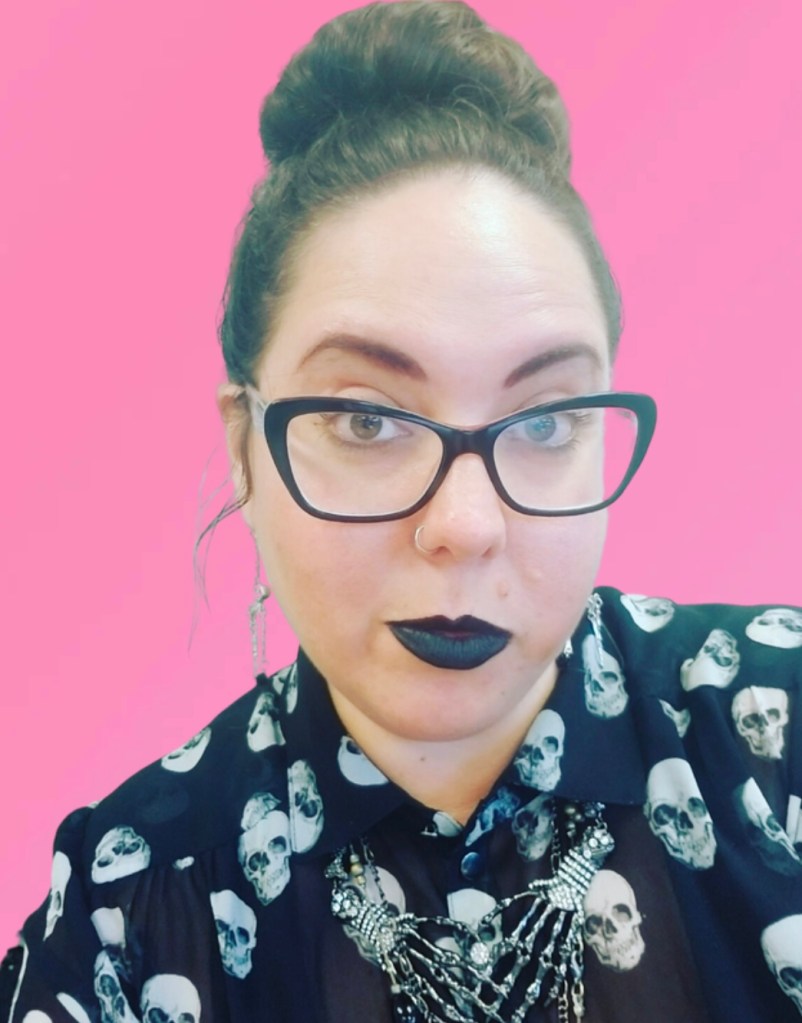
Women in Horror Interview Series: Kerry E. B. Black

Kerry E. B. Black is a horror writer from Western Pennsylvania whose work explores the dark corners of the imagination. She writes across multiple forms—poetry, young adult fiction, short stories, and novellas—crafting creepy tales that explore the darker side of life.

Can you talk about your latest book and what readers might find appealing about it?

I’m eagerly awaiting the release of Witches in the Air, a book of poetic essays about witchcraft from an historic, cultural, and modern perspective. It’s a huge project, but one that was profoundly moving to me.

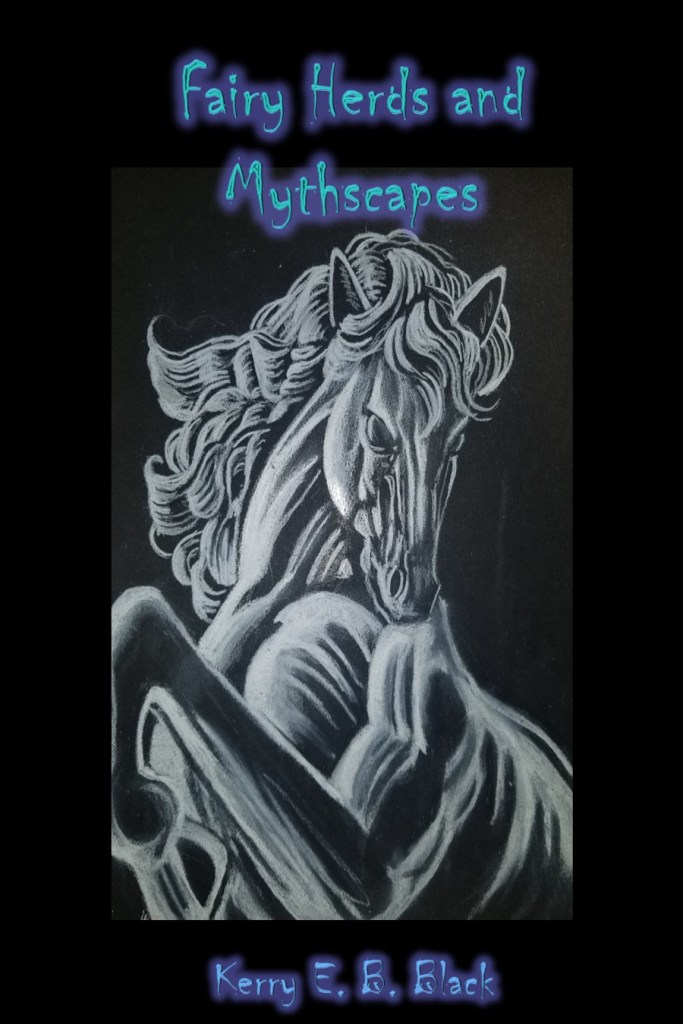
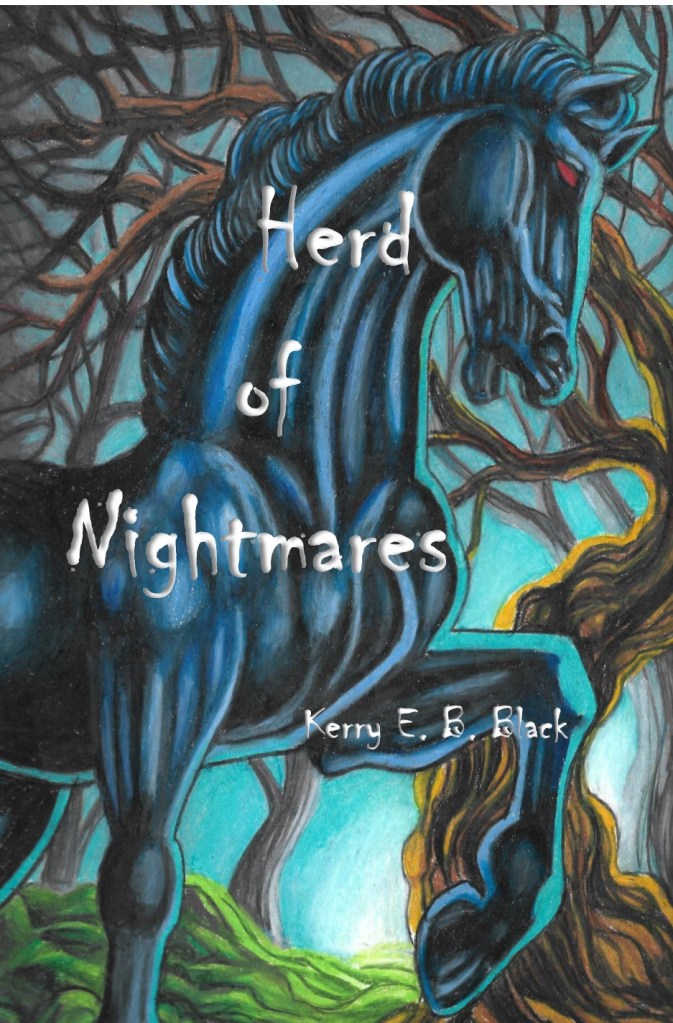
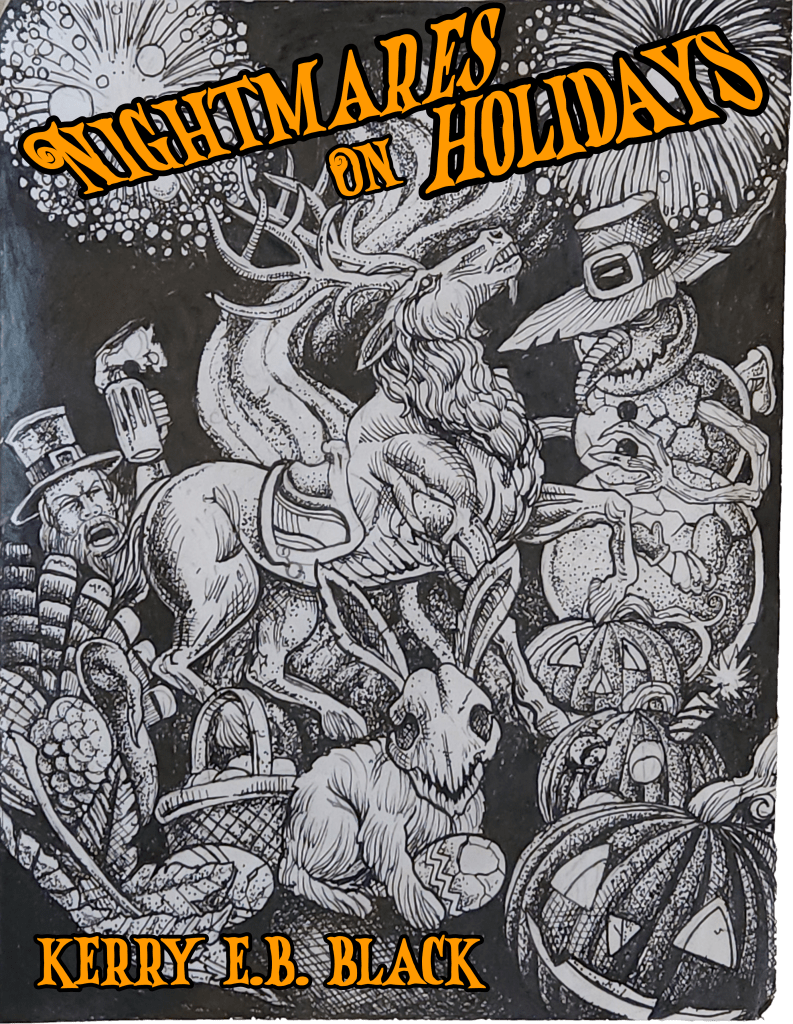
My brother, Chris Blickenderfer, hand drew the cover art, and it is GORGEOUS! (He’s so talented. He’s made hand-drawn, original pieces for all of my short story collections and my other poetry collection as well, and they’re amazing works of art.)

What’s a book you can’t stop recommending?

My favorite book last year was Bat Eater by Kylie Lee Baker. I love when a book touches and teaches me, and this novel certainly achieved that.

Can you explain your writing process? What inspires you?

Inspiration is a tricky thing. It’s like a weird, electrical impulse that zaps the brain, leaving a charred after-scent that can’t be ignored. Strange things inspire me. An interesting word can do it. A news story. An intriguing, historical image or a visit to a place.

I start projects when I know how they will end. Once I have a pretty clear image of the conclusion, I draft. So, I suppose I’m a modified “pantser,” in that I have certain things that must happen before that conclusion, but I don’t outline in the traditional way.

As a busy, working mom, I have to steal time to write, which means I usually sit at my computer in the wee hours of the morning. I curl up on the couch, a cat or two at my side, and type until my eyes cross or I doze off. Some day, I hope to have an actual desk and regular operating hours. Haha.

Is there a snack or drink that gets you into a writing mindset?

I make sure to stay hydrated while I write. Water and tea do the trick.

Are there any horror tropes you especially love in books or films?

I enjoy a Gothic setting, a folksy character or creature, a story with creeping chills, and tales that make me think.

Who’s your favorite final girl?

I admire Lt. Ripley, from the Alien franchise.

Are you currently working on anything new?

Witches in the Air is in the hands of my editor, Deb Sanchez at my Publisher, Tree Shadow Press. I hear it will be released soon.

In the meanwhile, I’m working on a folk horror novella and am compiling a latest collection of short stories.

You can keep up with her writing at: https://kerryebblack.com/

DID YOU ENJOY WHAT YOU JUST READ? IF YES, THEN SUBSCRIBE TO THE BLOG, GIVE THE POST A LIKE, OR LEAVE A COMMENT! NEW POSTS ARE UP EVERY TUESDAY & THURSDAY!
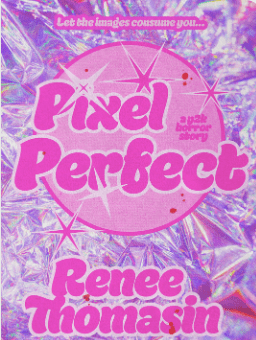
Women in Horror Interview Series: Rachel Bolton

Bram Stoker Award–nominated horror author Rachel Bolton crafts chilling short stories that probe the powerful intersection of horror and feminism. Through unsettling atmospheres and sharp insight, she explores how fear, identity, and womanhood collide—revealing the darker truths that lurk beneath the surface.

Can you talk about your latest book or story and what readers might find appealing about it?

My latest story is “Moonglow,” it will be appearing in an anthology later this year. Protagonist Alice loves to lie and she is very good at it. She’s smugly faking a pregnancy at her workplace. Alice is terrible but she has become one of my most favorite characters. She has a great voice.

Did I mention “Moonglow” has some fun body horror?

What’s a book you can’t stop recommending?

I’m a bookseller, so I am constantly recommending books. I’m often suggesting Our Wives Under the Sea by Julia Armfield, Herculine by Grace Byron, The Echo Wife by Sarah Gailey, and White is for Witching by Helen Oyeyemi.

These are all very different books within the speculative/horror genre. Each one deeply affected me both as a reader and a writer. There were moments where I needed to pause to appreciate the writing, emotionally and stylistically.

Can you explain your writing process? What inspires you?

I am a believer in Octavia E. Butler’s advice on the importance of habit as a writer. This is the third year where I am tracking both my word count and editing time. This is both a boon and problem. I love that I can see how much I’ve gotten done, but then I am judgemental about the quantity of my work. I feel I never do enough.

I settle in at my computer, pop my headphones on, and get lost for a bit in the story. I consider myself a “Planster.” Outlines are helpful guides, but it’s good to let the characters and plot develop in ways you hadn’t expected. I’ve had characters override my storytelling choices a few times.

Is there a snack or drink that gets you into a writing mindset?

I love a hot cup of tea at my side. If I’m being honest, there are several empty seltzer cans on my desk right now.

Are there any horror tropes you especially love in books or films?

My two great horror subgenre loves are body horror and psychological horror. If they meet, all the better. A great example of that would be Rose Glass’ Saint Maud. The ending still haunts me. I’m a big fan of women with unusual desires, and Julia Ducorneau did that twice with Raw and Titane. Sisterly cannibalism and car fucking!

Above all, I appreciate writers who are willing to take an idea to extremes. Half measures don’t create good books or movies. A great literary example of that is Gretchen Felker-Martin’s Black Flame. That book is so damn good.

Who’s your favorite final girl?

My beloved Ellen Ripley. Sigourney Weaver looks so much like my mom! My mom would also kick some alien ass. I love Ripley for her drive to survive, her compassion, and how she doesn’t tolerate idiots. “They can bill me!”

Are you currently working on anything new?

I’m currently working on a novel about a woman whose wife gets absorbed into their home, now her body is their house. The wife is incredibly happy about this, the protagonist, privately, is not. Problems ensue. Body horror and psychological horror come together here. I’m having a lot of fun as I get to know these two ladies.

You can keep up with her writing at: https://rachelmbolton.wordpress.com

DID YOU ENJOY WHAT YOU JUST READ? IF YES, THEN SUBSCRIBE TO THE BLOG, GIVE THE POST A LIKE, OR LEAVE A COMMENT! NEW POSTS ARE UP EVERY TUESDAY & THURSDAY!
The Importance of Women in Horror Fiction: Why Their Voices Matter

When you think of horror authors, a lot of names that probably come to mind are men—Stephen King, H.P. Lovecraft, and Edgar Allan Poe, for example. But did you know that women have been just as integral to the horror genre, crafting some of the most influential and spine-chilling stories? While their contributions were often overlooked, women in horror have not only shaped the genre but have also used it as a platform to explore deep, complex themes that resonate with us on a deeply personal level. And that’s something we shouldn’t overlook.

Breaking the Mold

For a long time, horror fiction was predominantly written by men, which, let’s be honest, often led to stories that focused on the same types of characters, plots, and themes. But then came women writers who weren’t afraid to push boundaries and challenge what horror could be. From Shirley Jackson’s unsettling psychological horror to Mary Shelley’s groundbreaking Frankenstein, women have always had a hand in redefining the genre. They brought something fresh, something that explored not only monsters and the supernatural, but also the very real monsters inside our heads, the complexities of human emotions, and societal fears.

Take The Haunting of Hill House by Shirley Jackson. It’s not just a ghost story; it’s a tale about loneliness, mental illness, and how isolation can destroy a person. It taps into very real human fears and makes us question what’s real and what isn’t. It’s this depth of emotion and the ability to blend the supernatural with personal struggles that women have brought to the genre. And that’s one reason why their contributions are so significant—they make horror more relatable, more reflective of the human condition.

Women Exploring Real Fears

One thing women authors in horror often excel at is turning the genre inward. While many male horror writers focused on external threats like monsters, women writers have frequently explored more internal, personal fears. Think of Margaret Atwood’s The Handmaid’s Tale or Helen Oyeyemi’s White Is for Witching. These authors weave horror into narratives that reflect on real-world issues like power, control, identity, and societal structures. And that’s part of what makes women’s voices so important in horror—there’s an element of horror in everyday life that women, especially, are acutely attuned to.

In The Bloody Chamber, Angela Carter reimagines classic fairy tales, adding layers of feminist critique and sexual politics. Her retellings are dark, unsettling, and frequently tackle themes like power dynamics, gender, and the violence women endure, themes that often go unexplored in traditional horror. In this way, women in horror help broaden the conversation, allowing the genre to evolve into something that can address issues of inequality, fear, and vulnerability that are unique to women.

The Future of Women in Horror

The future of horror is bright, and it’s becoming increasingly clear that women will be driving the genre forward. More and more women authors are taking center stage, and the stories they are telling are diverse, powerful, and innovative. From psychological thrillers to body horror and speculative fiction, women are continuously expanding what horror can be. Authors like Tananarive Due, Silvia Moreno-Garcia, and Carmen Maria Machado are blending horror with elements of cultural identity, race, and trauma, creating stories that are both terrifying and thought-provoking.

Horror isn’t just about scaring people—it’s about reflection, confrontation, and exploring the unknown. Women in horror give us a unique lens through which we can experience these emotions. They’re breaking down walls, amplifying marginalized voices, and creating more inclusive, diverse narratives. And that’s something the genre desperately needs.

Final Thoughts

So, why are women in horror so important? Because they bring new perspectives, new themes, and new layers of meaning to a genre that has the power to examine our deepest fears. They challenge us to look at the world through a different lens, to confront uncomfortable truths, and to question what really scares us. As the genre continues to grow and evolve, one thing’s for sure—women will continue to be at the heart of it, making horror richer, deeper, and far more compelling.

DID YOU ENJOY WHAT YOU JUST READ? IF YES, THEN SUBSCRIBE TO THE BLOG, GIVE THE POST A LIKE, OR LEAVE A COMMENT! NEW POSTS ARE UP EVERY TUESDAY & THURSDAY!
Women in Horror: Redefining the Genre and Shaping Fear

The horror genre, with its history of jump scares, suspense, and psychological terror, has often been seen as a space primarily dominated by men—both on-screen and behind the scenes. Yet, as audiences grow more diverse and as filmmakers explore new approaches to storytelling, women have increasingly made their mark in the world of horror. Whether through compelling on-screen performances, dynamic characters, or groundbreaking directorial and writing roles, women are becoming crucial in the evolution of the genre, shaping the way we understand and experience fear.

The Evolution of Female Characters in Horror

For decades, women in horror were primarily portrayed as victims, often relegated to the role of the “final girl”—the lone survivor who outwits the killer. While characters like Laurie Strode from Halloween (1978) and Sally Hardesty from The Texas Chainsaw Massacre (1974) became staples of the genre, they often served as one-dimensional tropes of purity and innocence, simply surviving the terror unleashed by male antagonists. But as the genre has evolved, so have these female characters. No longer are they helpless victims, but multifaceted, empowered individuals who face terror with resourcefulness, courage, and strength.

Films like The Descent (2005) and The Witch (2015) introduced complex female characters who not only survived the terror but confronted their own fears, flaws, and complexities. The rise of these characters marks a significant shift in the genre, moving away from simple tropes and toward nuanced portrayals of women navigating horror in various forms. These women aren’t merely defined by their relationships to male characters or their ability to survive. Instead, they become central to the plot, shaping the story and driving the action.

Women as Creators in the Genre

While women have historically been underrepresented in horror filmmaking, this is beginning to change. Female directors and writers are increasingly using horror as a platform to explore themes like trauma, gender, and societal expectations. These films often provide a unique and important perspective, one that reflects the experiences of women navigating a world filled with its own set of dangers and societal pressures.

Director and writer Jennifer Kent made waves with her 2014 film The Babadook, a chilling exploration of grief, motherhood, and psychological terror. Kent’s ability to blend supernatural horror with real emotional trauma resonated deeply with audiences and critics alike. Her work paved the way for other female filmmakers, proving that women could tell horror stories with both depth and intensity.

Other notable women in horror include Mary Harron, who directed American Psycho (2000), a film that blends horror with social commentary on masculinity and identity. In recent years, filmmakers like Ari Aster (Hereditary) and Jordan Peele (Get Out) have created psychologically rich horror films that tap into societal fears, many of which echo the experiences of women in particular. As a result, women directors, producers, and writers are now more prominent than ever in shaping the genre.

The Importance of Women in Horror

The increasing representation of women in horror—both in front of and behind the camera—brings valuable perspectives to the genre. Horror, as a genre, is uniquely suited to explore human fears, traumas, and anxieties. When women have the opportunity to tell these stories, the result is often a more nuanced and complex portrayal of fear, one that speaks not just to the universal but also to the distinctly female experience.

Moreover, the rise of strong, multifaceted female characters challenges outdated gender roles and stereotypes, allowing audiences to see women as more than just victims or sidekicks. Instead, they are presented as active participants in the horror narrative, often driving the plot forward and confronting fears that are both supernatural and rooted in reality.

Final Thoughts

Women in horror are breaking barriers and redefining what it means to be both scared and powerful. As creators, they’re bringing fresh and important perspectives to the genre, pushing the boundaries of storytelling. As characters, they are no longer bound by the constraints of outdated stereotypes but are becoming integral parts of the narrative, embodying strength, resilience, and complexity. With the continued rise of female filmmakers and characters in horror, it’s clear that women are shaping the future of fear in ways that are both empowering and thought-provoking.

DID YOU ENJOY WHAT YOU JUST READ? IF YES, THEN SUBSCRIBE TO THE BLOG, GIVE THE POST A LIKE, OR LEAVE A COMMENT! NEW POSTS ARE UP EVERY TUESDAY & THURSDAY!
Women in Horror Interviews Part VI

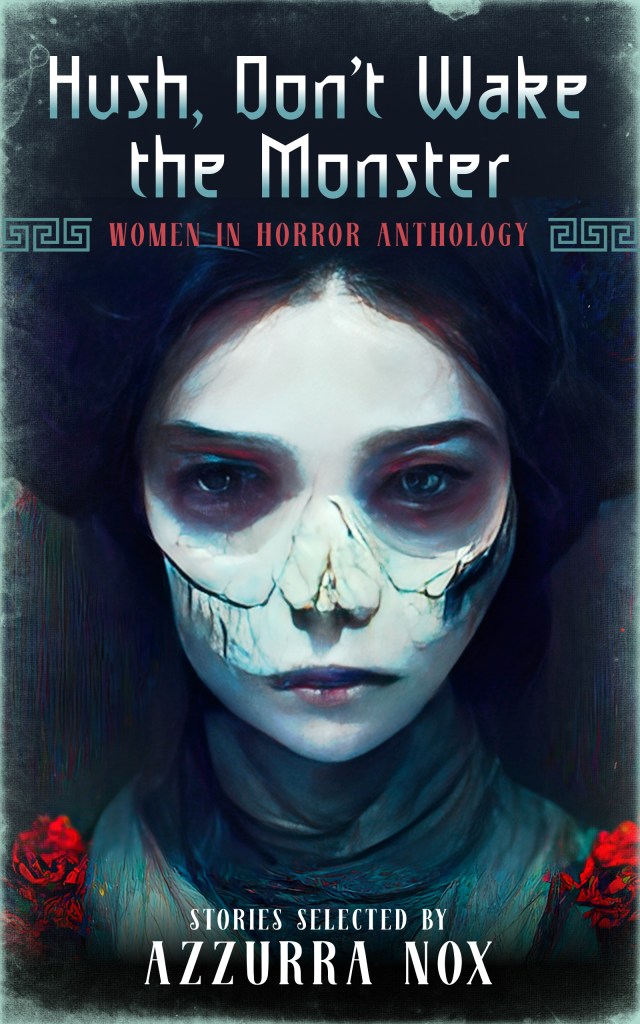
For the month of March, in order to celebrate Women in Horror, I’ll be highlighting interviews with some of the authors that appear in Hush, Don’t Wake the Monster – Stories Inspired by Stephen King Women in Horror Anthology.

Marnie Azzarelli author of “Carrie’s First Day”

Which Stephen King novel/short story inspired your short story?

Salem’s Lot! I’m just kidding, it’s a retelling of Carrie.

Who’s your favorite modern female author?

I think they’re both extremely underrated, but I love reading anything Marisha Pesl or Helen Oyeyemi have to offer.

Which song would be the soundtrack to your story?

“you should see me in a crown” Billie Eilish.

What are some of your current writing projects?

While I’ve been on a bit of a hiatus the last couple of years, I’m planning on publishing more original writing on both my website’s blog at marnieazzarelli.net, and on a new, yet to be named Tumblr blog (more info will be available on my socials). Plus I have plans in the works of releasing my own short story collection sometime in 2023!

Who’s your favorite final girl and why?

While I’ll always have a soft spot for Laurie Strode, I have to say that Nancy Thompson is really one of the ultimate final girls. She’s smart, resourceful, and kind of kicks Freddie’s ass no matter what movie she encounters him in. I would not want to take Nancy in a fight because while she doesn’t have brute strength, she could definitely figure out a way to get rid of me with a quippy one-liner.

Lauri Christopher author of “Fair Erasures”

Which Stephen King novel/short story inspired your short story?

In Stephen King’s short story FAIR EXTENSIONS a dying man makes a deal with a roadside devil to extend his life. All he has to do in exchange is curse his best friend to a life of misery. In my story FAIR ERASURES, Lacey Milton struggles with an unwanted pregnancy and her best friend’s betrayal, but Mr. LeVid offers her a way to erase the situation. And it won’t be messy at all.

Who’s your favorite modern female author?

Seanan McGuire, writing as Mira Grant, changed the zombie landscape in her FEED trilogy. She unapologetically writes gritty, strong female characters.

Which song would be the soundtrack to your story?

Lacey might have been listening to Ani DiFranco’s Amendment after she settled up with Mr. LeVid and drove off into the rest of her life. Much like this anthology, Ani takes the “point of view of women” in her lyrics.

What are some of your current writing projects?

I am working on a middle grade novel about a boy who has to spend the summer with his fraud of a ghost-hunting Dad. But when he discovers he can see ghosts, he’s the only one who can help a young friend escape a dangerous haunting.

Who’s your favorite final girl and why?

Since the appropriate-for-the-80s age of 8 ½, Laurie Strode has been my girl. I watched through the space between my fingers as she unfolded a wire hanger and owned her power to survive. Plus, when you share a name with someone battling a masked killer, the story takes on an added edge of life or death.

Read Marnie Azzarelli & Lauri Christopher’s stories in Hush, Don’t Wake the Monster along with other amazing authors!

Purchase book here!

DID YOU ENJOY WHAT YOU JUST READ? IF YES, THEN SUBSCRIBE TO THE BLOG, GIVE THE POST A LIKE, OR LEAVE A COMMENT! NEW POSTS ARE UP EVERY TUESDAY & THURSDAY!