
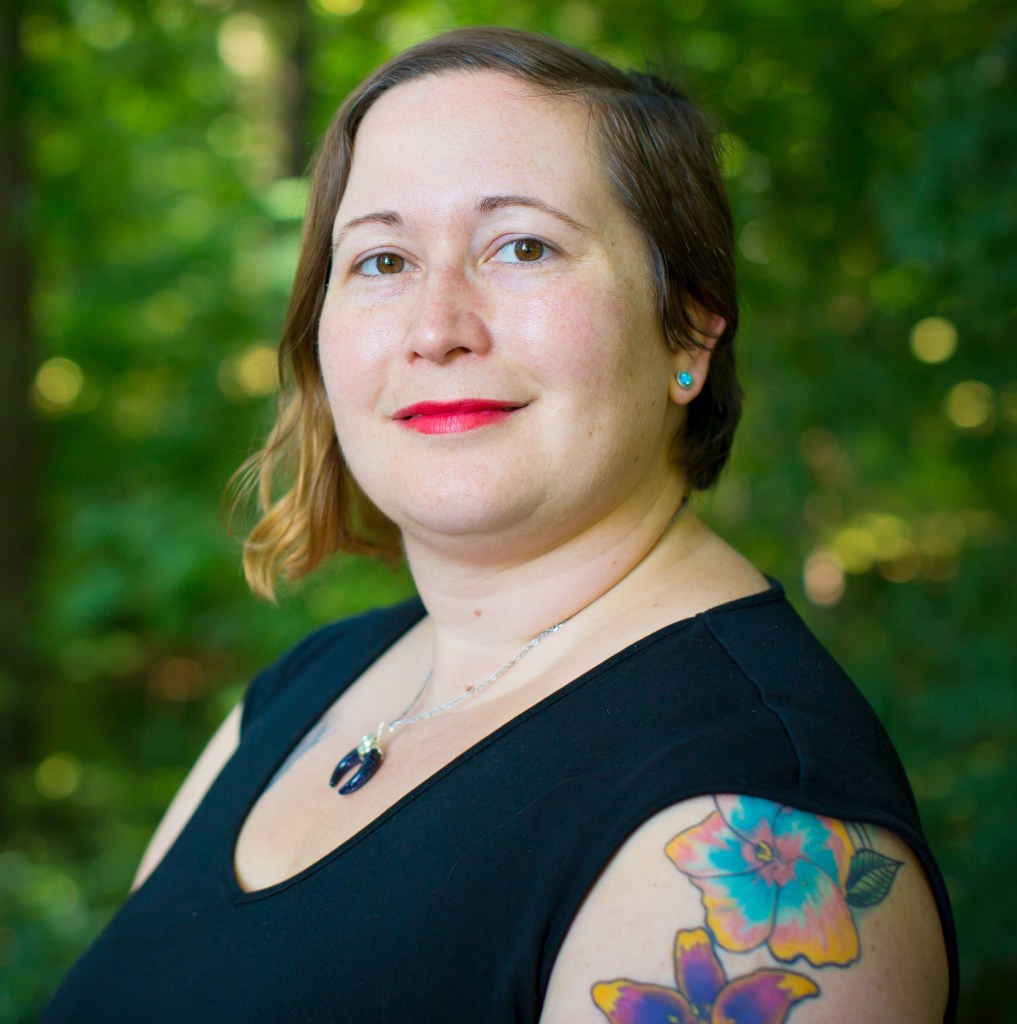
Sonora Taylor is an American horror writer known for blending psychological dread with surreal and often unsettling themes. Her work frequently explores identity, body horror, and emotional trauma through novels, novellas, and short stories in the modern indie horror scene.
Can you talk about your latest book and what readers might find appealing about it
My next book is a novelette called “Passing Glance,” which appears in SPLIT SCREAM VOL. 8: CURSED PLACES. It’s about a woman who attends her friend’s 30th birthday party at an eccentric mansion filled with mirrors that may or may not be cursed. It’s based o a wild museum I went to in Washington, D.C., called the O Street Mansion, which is filled with quirky decor that gives the place a sinister vibe. I walked through it, though, I felt like the place itself wasn’t haunted, but the mirrors definitely were. I think readers will enjoy how twisty and strange it is, with something creepier around every corner. I sometimes felt as discombobulated as the main character while writing her journey! It’s coming out April 21 from Tenebrous Press, and you can preorder it here.
What’s a book you can’t stop recommending?
Sky Daddy by Kate Folk. It’s a novel about a woman who is romantically attracted to airplanes. She believes it’s her fate to be chosen by a plane who will then “marry” her by melding their bodies into one–ie, crashing. So, she spends a lot of time each month flying planes in the hopes she’ll be chosen, but this desire hits a hiccup when her best friend at work starts to hang out with her more often in their off-hours. It was so strange and wonderful, and the depiction of the female friendship was really great.
Can you explain your writing process? What inspires you?
Most of my stories start with one thought, and that thought is usually “Wouldn’t it be funny if”, but with something that’s not that funny unless you share my gallows humor. For instance, “Wouldn’t it be funny if a serial killer’s mom was so proud of them, they hung up their trophies like A+ tests on a cork board?” became Without Condition. From there, I try to dig deeper into more than just that thought, and usually end up with something much darker but also much richer.
Is there a snack or drink that gets you into a writing mindset?
Ooh, good question. Probably tea. I try not to eat while I’m writing (I’ve been trying to be better in general about not doing other things while I eat). I’m a tea fanatic and have so many different kinds.
Are there any horror tropes you especially love in books or films?
Haunted houses. I love a good ghost story. Stories from the perspective of the killer, because I find a fractured mind much scarier to inhabit.
Who’s your favorite final girl?
Selena from 28 Days Later. Though I guess both she and Hannah survived. Still, she’s amazing. 28 Days Later is my favorite horror movie. (I don’t acknowledge the sequels)
Are you currently working on anything new?
I am working on two longer stories: one about a TV cooking show host embarking on a “good for her” change in career, and a ghost story about the spirit of a little girl blamed for children’s deaths in her neighborhood, and her one surviving friend’s quest to discover the truth about her.
Bio:
Sonora Taylor (she/her) is the award-winning author of several books and short stories, including Errant Roots, Little Paranoias: Stories, and Without Condition. She also co-edited Diet Riot: A Fatterpunk Anthology with Nico Bell. Her short stories have been published by Tenebrous Press, Rooster Republic Press, PseudoPod, Kandisha Press, Camden Park Press, Cemetery Gates Media, Tales to Terrify, Sirens Call Publications, Ghost Orchid Press, and others.
Her short stories and books frequently appear on “Best of the Year” lists. In 2020, she won two Ladies of Horror Fiction Awards: one for Best Novel (Without Condition) and one for Best Short Story Collection (Little Paranoias: Stories). In 2022, her short story, “Eat Your Colors,” was selected by Tenebrous Press to appear in Brave New Weird: The Best New Weird Horror Vol. 1. In 2024, her nonfiction essay, “Anything But Cooking, Please,” was a Top 15 finalist in Roxane Gay’s Audacious Book Club essay contest.
She co-managers Fright Girl Summer, an online book festival highlighting marginalized authors, with V. Castro. She also serves on the board of directors of Scares That Care.
Her latest short story collection, All the Pieces Coming Together: Collected Works, is out now from Manta Press. She lives in Arlington, Virginia, with her husband and a rescue dog.

DID YOU ENJOY WHAT YOU JUST READ? IF YES, THEN SUBSCRIBE TO THE BLOG, GIVE THE POST A LIKE, OR LEAVE A COMMENT! NEW POSTS ARE UP EVERY TUESDAY & THURSDAY!


 The Inkblotters