

The latest adaptation of Nosferatu (2024) is a stunning reimagining of the iconic 1922 silent film that has endured as one of the most influential horror movies in cinematic history. Directed by Robert Eggers, the film blends elements of gothic horror, expressionism, and modern sensibilities to create something both timeless and terrifying.
A Fresh Take on a Classic
Eggers, known for his meticulous craftsmanship in The Witch (2015) and The Lighthouse (2019), brings his signature atmospheric tension and historical precision to Nosferatu. The movie is a reworking of the classic tale of Count Orlok, a vampire whose eerie presence and insatiable thirst for blood spread fear and chaos. While the story remains rooted in the essential beats of the 1922 film, Eggers injects a fresh and chilling perspective into the narrative.
One of the film’s greatest strengths is its refusal to simply remake the original but instead, taking the essence of the 1922 film and amplifying it. It’s not just a retelling; it’s a reimagining for a new era. The movie is steeped in the atmosphere of the 19th century, but Eggers expands the world with deeper emotional stakes, giving us a story that feels both historical and contemporary in its exploration of dread.
Visual and Cinematic Brilliance
The visuals are absolutely mesmerizing. Eggers’ use of practical effects and the gorgeous cinematography by Jarin Blaschke (a frequent collaborator) take full advantage of the eerie landscapes and the haunting visage of Count Orlok, played by Bill Skarsgård. The makeup and prosthetics on Skarsgård are nothing short of mesmerizing, transforming him into a truly otherworldly and grotesque figure. His portrayal of the vampire is a combination of the original Nosferatu’s malevolence and a new level of psychological complexity that makes Orlok both more unsettling and tragically human.
The film’s color palette is steeped in muted tones, with chiaroscuro lighting that evokes the expressionist style of the 1922 film but is done in a way that feels fresh and striking. Eggers embraces modern sensibilities but also pays homage to the heavy use of shadows and visual storytelling that made the silent film so groundbreaking.
A Strong Performances Across the Board
While Skarsgård’s performance as the vampire is undeniably captivating, the supporting cast also shines. Lily-Rose Depp, playing the central character of Ellen, is emotionally vulnerable yet resilient. Her portrayal of a woman torn between the supernatural forces surrounding her and the love of her husband (played by Nicholas Hoult) brings a poignancy to the film that deepens its terror. Depp’s presence is ethereal, almost as though she’s an extension of the haunting landscapes, which enhances the film’s atmosphere.
Nicholas Hoult, known for his versatility, gives a nuanced performance as the doctor who becomes entwined in Orlok’s web. His progression from curiosity to horror is beautifully done, and his chemistry with Depp makes their relationship believable even amidst the supernatural chaos.
Themes of Isolation and Despair
Nosferatu (2024) explores more than just the fear of vampires; it delves into themes of isolation, the human psyche, and the destructive nature of obsession. Much like the original, the film touches on the profound isolation of both Orlok and his victims, but Eggers takes this further, showing how fear and longing can distort reality. The dark, oppressive atmosphere mirrors the emotional isolation of the characters, where the external threats seem to echo internal struggles.
Eggers also plays with the notion of the monstrous as both an outward and inward transformation. Orlok is not just a vampire—he’s a manifestation of our darkest fears, a creature that lurks in the shadows of the human soul. The tension between the supernatural and the human condition makes the story resonate beyond the genre of horror.
The Verdict
Ultimately, Nosferatu (2024) is a triumph of modern horror filmmaking. Eggers has crafted a visually stunning, thematically rich, and deeply unsettling film that successfully reinvents a classic while staying true to the original’s spirit. Bill Skarsgård’s portrayal of Orlok is mesmerizing, and the haunting atmosphere of the film is a testament to Eggers’ prowess as a director.
While the film takes its time to build tension, its slow-burn atmosphere pays off in a finale that is as chilling as it is thought-provoking. Fans of classic horror, as well as those who appreciate more cerebral, atmospheric films, will find much to admire in this 2024 reimagining of Nosferatu. It’s a film that lingers long after the credits roll—both terrifying and beautiful in equal measure.
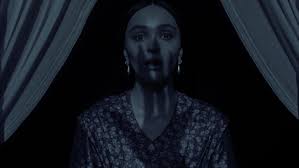
Rating: ★★★★☆ (4/5)
A masterful reimagining of a classic, Nosferatu (2024) reminds us why horror, when done right, can transcend the realm of pure fright to become something far more profound.

DID YOU ENJOY WHAT YOU JUST READ? IF YES, THEN SUBSCRIBE TO THE BLOG, GIVE THE POST A LIKE, OR LEAVE A COMMENT! NEW POSTS ARE UP EVERY TUESDAY & THURSDAY!














 The Inkblotters