
Mediterranean Chickpea & Cucumber Couscous Salad

When the temperatures climb, the last thing most of us want is to spend an hour standing over a hot stove. This Mediterranean Chickpea & Cucumber Couscous Salad is light, refreshing, and packed with vibrant flavors. Protein-rich chickpeas, crisp vegetables, fresh herbs, and a bright lemon dressing make it satisfying enough for dinner while keeping things cool and effortless. For a completely vegan meal, simply skip the feta or use your favorite plant-based alternative.

Ingredients

For the salad:

  • 1 cup couscous (or use pearl couscous, quinoa, or bulgur)
  • 1 cup boiling vegetable broth or water
  • 1 (15-ounce) can chickpeas, drained and rinsed
  • 1 English cucumber, diced
  • 1 cup cherry tomatoes, halved
  • ¼ red onion, finely diced
  • ½ cup chopped fresh parsley
  • ¼ cup chopped fresh mint
  • ½ cup crumbled feta (optional or use vegan feta)

For the dressing:

  • 3 tablespoons extra virgin olive oil
  • Juice of 1 large lemon
  • 1 teaspoon Dijon mustard
  • 1 small garlic clove, minced
  • Salt and freshly ground black pepper, to taste

Instructions

  1. Place the couscous in a large bowl and pour the boiling broth over it. Cover and let stand for 5 minutes, then fluff with a fork and allow it to cool slightly.
  2. Add the chickpeas, cucumber, tomatoes, red onion, parsley, mint, and feta.
  3. In a small bowl, whisk together the olive oil, lemon juice, Dijon mustard, garlic, salt, and pepper.
  4. Pour the dressing over the salad and toss until everything is evenly coated.
  5. Taste and adjust the seasoning with more lemon juice, salt, or pepper if needed.
  6. Serve immediately or chill for 20–30 minutes for an even more refreshing meal.

Tips & Variations

  • Add diced avocado just before serving for extra creaminess.
  • Toss in grilled zucchini, roasted peppers, or fresh spinach for more vegetables.
  • Sprinkle with toasted pine nuts or sliced almonds for crunch.
  • Swap couscous for quinoa to make the dish gluten-free.

Why It’s Perfect for Summer

This recipe requires minimal cooking, is loaded with seasonal vegetables, and tastes even better after chilling in the refrigerator. It’s ideal for busy weeknights, outdoor dining, meal prep lunches, or bringing to picnics and potlucks. The combination of fresh herbs and bright lemon dressing keeps every bite light, flavorful, and refreshing—exactly what you want on a warm summer evening.

DID YOU ENJOY WHAT YOU JUST READ? IF YES, THEN SUBSCRIBE TO THE BLOG, GIVE THE POST A LIKE, OR LEAVE A COMMENT! NEW POSTS ARE UP EVERY TUESDAY & THURSDAY!
Avoid These Hidden Sugars to Lose Weight & Acne-Free Skin!

sugar

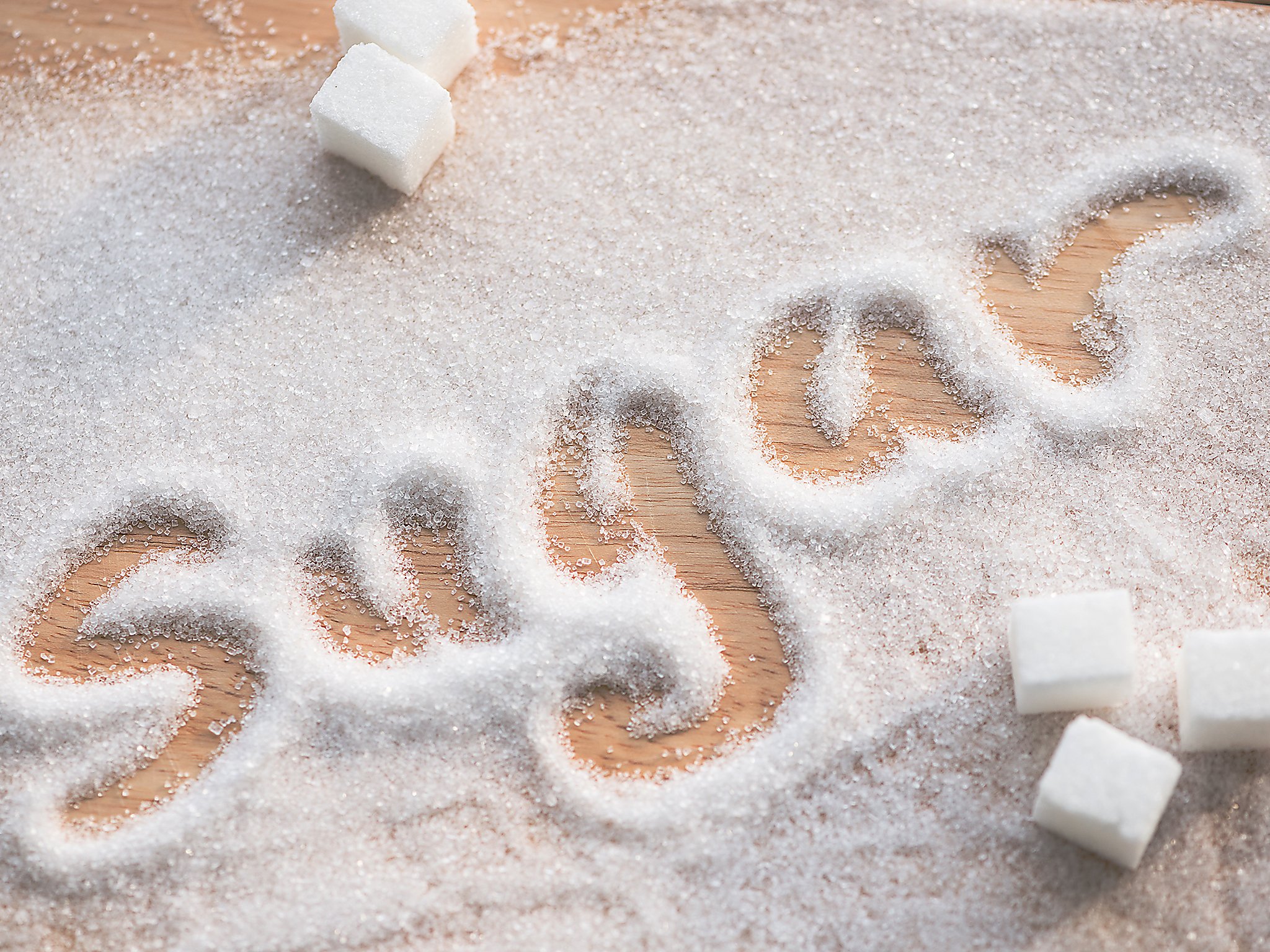
Hidden sugars is one of the reasons why the average adult in the U.S. is culprit of consuming around 22 teaspoons of added sugars every day. Many times, these sugars are hidden in foods meant to be “healthy.” Normally, one should only be consuming around six teaspoons of sugars a day if you’re female (that’s around 100 calories) and nine teaspoons a day (around 150 calories) if you’re male.

Why is sugar such a huge no-no? Well, apart from sugar being one of the leading causes associated with diabetes, heart disease, obesity, high blood pressure, and cognitive disorders (such as dementia and Alzheimer’s disease), sugar is now even linked to cancer.

Now, apart from all those scary diseases, sugar is also a huge culprit when it comes to teenage and adult acne and any other skin conditions (because sugar is known to cause inflammation).

But not all sugars are created equal. The issue isn’t with sugars found in fresh fruits or vegetables, but rather it’s the added sugars found in the majority of the meals we consume that are the so-called bad sugars.

So how are we to avoid such hidden sugars? How do we know where they’re lurking? Below is a list of ten most common “healthy foods” that in reality have more sugar hiding in them than junk food.

TOP TEN HIDDEN SUGARS FOODS

  • Cereals and flavored oatmeals
  • Packaged breads (even those of the whole-grain variety)
  • Granola bars
  • “Lower calorie” drinks such as coffees, energy drinks, juices, and teas
  • Protein bars and meal replacements (think Slim-Fast)
  • Sweetened yogurts and other dairy products
  • Frozen waffles or pancakes
  • Bottled sauces, salad dressings, condiments, and marinades (think ketchup, relish, barbecue, or teriyaki)
  • Dried fruit and other fruit snacks (such as Fruit Roll-Ups)
  • Restaurant foods (sugar is found is almost anything cooked at a restaurant, it’s added in various sauces, desserts, and dressings)

So how are we to avoid hidden sugars? Basically, the issue is you must consume the majority of your foods in their natural state (such as fruits and vegetables). Once foods are processed or prepared in factories or restaurant chains, then that’s when unneeded sugars and sodium are added.

I’m not saying that you must avoid all of those foods on the list above ALL THE TIME, but try to consume them in moderation, that is the key to maintaining a happy and healthy lifestyle.

Need a healthy alternative for breakfast? Check out my recipes for GREEN SMOOTHIE and STRAWBERRY KIWI SMOOTHIE.

White and Pink Strikeout Cosmetics Beauty Logo