Book Review: The Buffalo Hunter Hunter by Stephen Graham Jones

I am the Indian who can’t die. I’m the worst dream America ever had.

PLOT SUMMARY:

A diary, written in 1912 by a Lutheran pastor is discovered within a wall. What it unveils is a slow massacre, a chain of events that go back to 217 Blackfeet dead in the snow. Told in transcribed interviews by a Blackfeet named Good Stab, who shares the narrative of his peculiar life over a series of confessional visits. This is an American Indian revenge story written by one of the new masters of horror, Stephen Graham Jones.

GRADE: A

REVIEW:

Stephen Graham Jones is known for his sharp storytelling and his ability to blend horror with cultural commentary, and Buffalo Hunter Hunter is no exception. In this novel, Jones introduces a fresh, new take on vampires, turning the genre on its head with a unique narrative structure and an exploration of identity, family, and survival. Written in an epistolary format—through the use of diary entries—the book offers an intimate, and at times unsettling, journey into the world of vampirism that’s anything but ordinary. This novel is a slow burn compared to Jones’ previous novels, but once we’re introduced to Good Stab, the story flows in a way that we can’t help but wish to know more of.

The epistolary format is one of the book’s most engaging features. Jones uses this structure to create a sense of immediacy and emotional depth, drawing readers into the protagonist’s thoughts and feelings. The story is told through the journal entries of the main character, whose struggle with their own identity and their relationship with the world around them unfolds gradually, revealing layers of complexity with every new entry. It’s a brilliant technique that allows the reader to feel as if they’re uncovering secrets alongside the protagonist, rather than being told a story from a distance.

But what truly sets Buffalo Hunter Hunter apart is its fresh take on vampires. Gone are the brooding, glamorous immortals we’re used to in modern vampire tales. Instead, Jones introduces vampires who are connected to a larger cultural narrative, one that’s rooted in historical trauma, displacement, and the resilience of indigenous communities. The vampires in this novel aren’t just bloodsuckers; they’re symbolic of the larger struggles that people face, and Jones deftly uses the supernatural to explore themes of survival and transformation.

At the heart of the novel is the tension between the Lutheran priest’s curiousity and the vampire Good Stab. Good Stab’s inner conflict is explored with great sensitivity, allowing the reader to feel the weight of their transformation not just physically, but emotionally. It’s a story about grappling with identity and legacy, and the challenges of reconciling personal history with the person you’re becoming.

Jones also delivers plenty of action, suspense, and moments of dark humor throughout the novel, ensuring that it’s not just a thought-provoking piece, but an entertaining one as well. The narrative, while contemplative, doesn’t shy away from the sharp edges of horror, offering thrills alongside its deep philosophical questions.

In conclusion, Buffalo Hunter Hunter is a compelling, innovative take on the vampire genre, presented in a format that’s both engaging and thought-provoking. Stephen Graham Jones masterfully blends supernatural horror with cultural commentary, and the epistolary format adds an extra layer of intimacy to this unique, thrilling story. If you’re looking for a fresh perspective on vampires with a deep, emotional core, this novel is a must-read.

*Thank you so much to NetGalley & Saga Press for the digital copy of this book in exchange for an honest review!

DID YOU ENJOY WHAT YOU JUST READ? IF YES, THEN SUBSCRIBE TO THE BLOG, GIVE THE POST A LIKE, OR LEAVE A COMMENT! NEW POSTS ARE UP EVERY TUESDAY & THURSDAY!

The Importance of Women in Horror Fiction: Why Their Voices Matter

When you think of horror authors, a lot of names that probably come to mind are men—Stephen King, H.P. Lovecraft, and Edgar Allan Poe, for example. But did you know that women have been just as integral to the horror genre, crafting some of the most influential and spine-chilling stories? While their contributions were often overlooked, women in horror have not only shaped the genre but have also used it as a platform to explore deep, complex themes that resonate with us on a deeply personal level. And that’s something we shouldn’t overlook.

Breaking the Mold

For a long time, horror fiction was predominantly written by men, which, let’s be honest, often led to stories that focused on the same types of characters, plots, and themes. But then came women writers who weren’t afraid to push boundaries and challenge what horror could be. From Shirley Jackson’s unsettling psychological horror to Mary Shelley’s groundbreaking Frankenstein, women have always had a hand in redefining the genre. They brought something fresh, something that explored not only monsters and the supernatural, but also the very real monsters inside our heads, the complexities of human emotions, and societal fears.

Take The Haunting of Hill House by Shirley Jackson. It’s not just a ghost story; it’s a tale about loneliness, mental illness, and how isolation can destroy a person. It taps into very real human fears and makes us question what’s real and what isn’t. It’s this depth of emotion and the ability to blend the supernatural with personal struggles that women have brought to the genre. And that’s one reason why their contributions are so significant—they make horror more relatable, more reflective of the human condition.

Women Exploring Real Fears

One thing women authors in horror often excel at is turning the genre inward. While many male horror writers focused on external threats like monsters, women writers have frequently explored more internal, personal fears. Think of Margaret Atwood’s The Handmaid’s Tale or Helen Oyeyemi’s White Is for Witching. These authors weave horror into narratives that reflect on real-world issues like power, control, identity, and societal structures. And that’s part of what makes women’s voices so important in horror—there’s an element of horror in everyday life that women, especially, are acutely attuned to.

In The Bloody Chamber, Angela Carter reimagines classic fairy tales, adding layers of feminist critique and sexual politics. Her retellings are dark, unsettling, and frequently tackle themes like power dynamics, gender, and the violence women endure, themes that often go unexplored in traditional horror. In this way, women in horror help broaden the conversation, allowing the genre to evolve into something that can address issues of inequality, fear, and vulnerability that are unique to women.

The Future of Women in Horror

The future of horror is bright, and it’s becoming increasingly clear that women will be driving the genre forward. More and more women authors are taking center stage, and the stories they are telling are diverse, powerful, and innovative. From psychological thrillers to body horror and speculative fiction, women are continuously expanding what horror can be. Authors like Tananarive Due, Silvia Moreno-Garcia, and Carmen Maria Machado are blending horror with elements of cultural identity, race, and trauma, creating stories that are both terrifying and thought-provoking.

Horror isn’t just about scaring people—it’s about reflection, confrontation, and exploring the unknown. Women in horror give us a unique lens through which we can experience these emotions. They’re breaking down walls, amplifying marginalized voices, and creating more inclusive, diverse narratives. And that’s something the genre desperately needs.

Final Thoughts

So, why are women in horror so important? Because they bring new perspectives, new themes, and new layers of meaning to a genre that has the power to examine our deepest fears. They challenge us to look at the world through a different lens, to confront uncomfortable truths, and to question what really scares us. As the genre continues to grow and evolve, one thing’s for sure—women will continue to be at the heart of it, making horror richer, deeper, and far more compelling.

DID YOU ENJOY WHAT YOU JUST READ? IF YES, THEN SUBSCRIBE TO THE BLOG, GIVE THE POST A LIKE, OR LEAVE A COMMENT! NEW POSTS ARE UP EVERY TUESDAY & THURSDAY!

Book Review: Shy Girl by Mia Ballard

“Sometimes, justice isn’t quiet or clean; it’s feral and bloody and unapologetic.”

PLOT SUMMARY:

Lonely, broke and depressed with a serious case of OCD, Gia finds herself at a crossroads when financial troubles lead her to Nathan, a mysterious and affluent man she encounters on a sugar dating website. Desperate for a solution, Gia is intrigued by Nathan’s unconventional offer: in exchange for living as his devoted pet, all of her debts will be erased. But the longer Gia is in captivity, the more animalistic she becomes.

For fans of Nightbitch by Rachel Yoder and Lisa Taddeo’s Animal, Shy Girl is a harrowing tale of girlhood, survival, autonomy, and revenge.

Grade: A+

REVIEW:

I read this book in two days, it was so compelling and also very unhinged and disturbing that it was like assisting a car crash you couldn’t look away from. Gia is laid off from her job and is increasingly becoming more and more worried about how she’s going to keep her apartment with her dwindling savings and no work prospects in site. This leads her to take a more unconventional approach and downloads a dating app that is specifically designed for those men who are seeking to be a sugar daddy to a young woman, and Gia feels like this may solve all of her economic hardships.

But when she meets Nathan, she feels like everything will change for her, bringing her a life of economic freedom. But there’s only one caveat, Nathan has a kink that’s not typical, he wishes Gia to portray his pet dog for several hours a day. Gia thinks that she can manage this, but she will soon find out that being Nathan’s pet is far more difficult than she had anticipated.

Ballard’s writing is sharp and insightful, creating a nuanced narrative that is both relatable and inspiring. The protagonist’s internal struggles feel genuine and familiar, and her journey toward finding her voice is empowering. If you loved Nightbitch but felt like it didn’t quite go there, then let me tell you, Ballard goes there and beyond in this twisted tale of self-discovery and empowerment.

I recommend this book if you love unhinged plots with a dose of female rage.

*Thank you so much to NetGalley & Galaxy Press for the digital copy of this book in exchange for an honest review!

DID YOU ENJOY WHAT YOU JUST READ? IF YES, THEN SUBSCRIBE TO THE BLOG, GIVE THE POST A LIKE, OR LEAVE A COMMENT! NEW POSTS ARE UP EVERY TUESDAY & THURSDAY!

Women in Horror: Redefining the Genre and Shaping Fear

The horror genre, with its history of jump scares, suspense, and psychological terror, has often been seen as a space primarily dominated by men—both on-screen and behind the scenes. Yet, as audiences grow more diverse and as filmmakers explore new approaches to storytelling, women have increasingly made their mark in the world of horror. Whether through compelling on-screen performances, dynamic characters, or groundbreaking directorial and writing roles, women are becoming crucial in the evolution of the genre, shaping the way we understand and experience fear.

The Evolution of Female Characters in Horror

For decades, women in horror were primarily portrayed as victims, often relegated to the role of the “final girl”—the lone survivor who outwits the killer. While characters like Laurie Strode from Halloween (1978) and Sally Hardesty from The Texas Chainsaw Massacre (1974) became staples of the genre, they often served as one-dimensional tropes of purity and innocence, simply surviving the terror unleashed by male antagonists. But as the genre has evolved, so have these female characters. No longer are they helpless victims, but multifaceted, empowered individuals who face terror with resourcefulness, courage, and strength.

Films like The Descent (2005) and The Witch (2015) introduced complex female characters who not only survived the terror but confronted their own fears, flaws, and complexities. The rise of these characters marks a significant shift in the genre, moving away from simple tropes and toward nuanced portrayals of women navigating horror in various forms. These women aren’t merely defined by their relationships to male characters or their ability to survive. Instead, they become central to the plot, shaping the story and driving the action.

Women as Creators in the Genre

While women have historically been underrepresented in horror filmmaking, this is beginning to change. Female directors and writers are increasingly using horror as a platform to explore themes like trauma, gender, and societal expectations. These films often provide a unique and important perspective, one that reflects the experiences of women navigating a world filled with its own set of dangers and societal pressures.

Director and writer Jennifer Kent made waves with her 2014 film The Babadook, a chilling exploration of grief, motherhood, and psychological terror. Kent’s ability to blend supernatural horror with real emotional trauma resonated deeply with audiences and critics alike. Her work paved the way for other female filmmakers, proving that women could tell horror stories with both depth and intensity.

Other notable women in horror include Mary Harron, who directed American Psycho (2000), a film that blends horror with social commentary on masculinity and identity. In recent years, filmmakers like Ari Aster (Hereditary) and Jordan Peele (Get Out) have created psychologically rich horror films that tap into societal fears, many of which echo the experiences of women in particular. As a result, women directors, producers, and writers are now more prominent than ever in shaping the genre.

The Importance of Women in Horror

The increasing representation of women in horror—both in front of and behind the camera—brings valuable perspectives to the genre. Horror, as a genre, is uniquely suited to explore human fears, traumas, and anxieties. When women have the opportunity to tell these stories, the result is often a more nuanced and complex portrayal of fear, one that speaks not just to the universal but also to the distinctly female experience.

Moreover, the rise of strong, multifaceted female characters challenges outdated gender roles and stereotypes, allowing audiences to see women as more than just victims or sidekicks. Instead, they are presented as active participants in the horror narrative, often driving the plot forward and confronting fears that are both supernatural and rooted in reality.

Final Thoughts

Women in horror are breaking barriers and redefining what it means to be both scared and powerful. As creators, they’re bringing fresh and important perspectives to the genre, pushing the boundaries of storytelling. As characters, they are no longer bound by the constraints of outdated stereotypes but are becoming integral parts of the narrative, embodying strength, resilience, and complexity. With the continued rise of female filmmakers and characters in horror, it’s clear that women are shaping the future of fear in ways that are both empowering and thought-provoking.

DID YOU ENJOY WHAT YOU JUST READ? IF YES, THEN SUBSCRIBE TO THE BLOG, GIVE THE POST A LIKE, OR LEAVE A COMMENT! NEW POSTS ARE UP EVERY TUESDAY & THURSDAY!

Book Review: At Dark, I Become Loathsome by Eric LaRocca

That’s a thing people don’t talk about enough – that there are people who will judge even the way you mourn your loved ones.”

PLOT SUMMARY:

If you’re reading this, you’ve likely thought that the world would be a better place without you.”

A single line of text, glowing in the darkness of the internet. Written by Ashley Lutin, who has often thought the same—and worse—in the years since his wife died and his young son disappeared. But the peace of the grave is not for him—it’s for those he can help. Ashley has constructed a peculiar ritual for those whose desire to die is at war with their yearning to live a better life.

Struggling to overcome his own endless grief, one night Ashley finds connection with Jinx—a potential candidate for Ashley’s next ritual—who spins a tale both revolting and fascinating. Thus begins a relationship that traps the two men in an ever-tightening spiral of painful revelations, where long-hidden secrets are dragged, kicking and screaming, into the light.

Only through pain can we find healing. Only through death can we find new life.

GRADE: A

REVIEW:

This book is a haunting exploration of the grotesque wrapped in lush, almost lyrical prose. LaRocca’s writing is elegant and poetic, with a grace that contrasts sharply against the dark and often disturbing imagery that unfolds throughout the story. The beauty of his language, full of intricate descriptions and poignant reflections, creates a stark juxtaposition to the horrors the characters experience. The audiobook’s narrator, Andrew Eiden does an excellent job at emoting Ashley Lutin’s turmoil throughout the book. I don’t usually like audiobooks but he truly made LaRocca’s twisted world come alive.

The novel’s chilling events—ranging from psychological torment to physical grotesqueries—are presented with a sense of eerie calmness, making the brutality all the more unsettling. LaRocca’s careful attention to detail in crafting these disturbing scenes only enhances their impact, as the reader is drawn into a world where beauty and terror coexist in an almost surreal harmony. The seamless blending of the poetic with the horrific turns each disturbing moment into something both grotesque and mesmerizing.

This juxtaposition is not just a stylistic choice but also deepens the emotional weight of the narrative. As Ashley grapples with his own loathing and despair, the elegance of the prose makes his suffering even more tragic. At Night, I Become Loathsome is a masterclass in how beauty can amplify horror, creating a truly unsettling and unforgettable reading experience. I highly recommend purchasing this as an audiobook for the ultimate reading experience.

*Thank you so much to NetGalley & Blackstone Publishing for the audiobook copy of this book in exchange for an honest review!

DID YOU ENJOY WHAT YOU JUST READ? IF YES, THEN SUBSCRIBE TO THE BLOG, GIVE THE POST A LIKE, OR LEAVE A COMMENT! NEW POSTS ARE UP EVERY TUESDAY & THURSDAY!
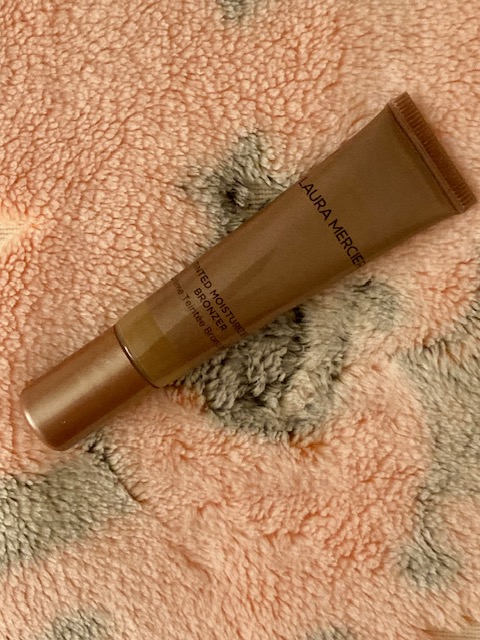
Review: Laura Mercier Tinted Moisturizer Cream Bronzer

What It Is: Bronzer

Active Ingredients: Prickly Pear (locks in hydration) and Fruit Seed Complex (repairs and conditions dry skin)

Verdict: The Laura Mercier Tinted Moisturizer Bronzer is a game-changer for anyone seeking a light, natural glow. The formula is beautifully lightweight, offering just the right amount of coverage without feeling heavy or cakey. It blends seamlessly into the skin, creating a sun-kissed look that’s both effortless and radiant. The bronzer provides a soft, buildable warmth, perfect for adding dimension to the face while maintaining a fresh, dewy finish. Whether worn alone for a subtle glow or layered over foundation, it gives the skin a healthy, lit-from-within radiance. Ideal for those who want a no-fuss, glowing complexion.

Price: $32

Where To Buy It: Sephora and Ulta

DID YOU ENJOY WHAT YOU JUST READ? IF YES, THEN SUBSCRIBE TO THE BLOG, GIVE THE POST A LIKE, OR LEAVE A COMMENT! NEW POSTS ARE UP EVERY TUESDAY & THURSDAY!
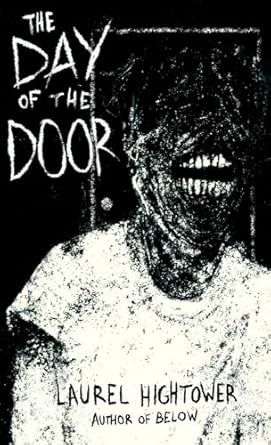
Review: The Day of the Door by Laurel Hightower

One of the biggest mistakes stable people make is believing they can predict and account for the thought patterns of narcissists.”

PLOT SUMMARY:

Once there were four Lasco siblings banded together against a world that failed to protect them. But on a hellish night that marked the end of their childhood, eldest brother Shawn died violently after being dragged behind closed doors. Though the official finding was accidental death, Nathan Lasco knows better, and has never forgiven their mother, Stella.

Now two decades later, Stella promises to finally reveal the truth of what happened on The Day of the Door. Accompanied by a paranormal investigative team, the Lasco family comes together one final time, but no one is prepared for the revelations waiting for them on the third floor.

GRADE: A-

REVIEW:

The Day of the Door by Laurel Hightower delivers a chilling and atmospheric ride, blending psychological terror with a fresh twist on the haunted house genre. Set in a seemingly ordinary home, the novel slowly unravels a deeply unsettling presence that blurs the line between reality and nightmare. Hightower excels in crafting a sense of unease from the very first page, with a building tension that grows into an almost palpable dread. The Lasco siblings want to find out exactly what happened the day Sean died, and Stella promises to give answers, only that as the book progresses, the siblings end up having more questions than before.

What sets this book apart from traditional haunted house stories is its exploration of personal trauma and grief, which heightens the supernatural horror. The house itself becomes a mirror to the protagonist’s inner turmoil, amplifying the horror he faces. The eerie presence in the house isn’t just a force from beyond but an intricate part of the protagonist’s emotional landscape, making the haunting feel personal and psychologically layered.

The writing is tight, with Hightower’s pacing carefully controlled to keep the reader on edge. The creeping horror never feels forced, instead, it’s a slow burn that builds to a climax of truly unsettling revelations. Hightower’s novel offers a unique perspective on the haunted house trope, showcasing not just a place of terror but a reflection of the deepest, darkest fears within the characters. Highly recommended for fans of atmospheric horror with emotional depth.

DID YOU ENJOY WHAT YOU JUST READ? IF YES, THEN SUBSCRIBE TO THE BLOG, GIVE THE POST A LIKE, OR LEAVE A COMMENT! NEW POSTS ARE UP EVERY TUESDAY & THURSDAY!
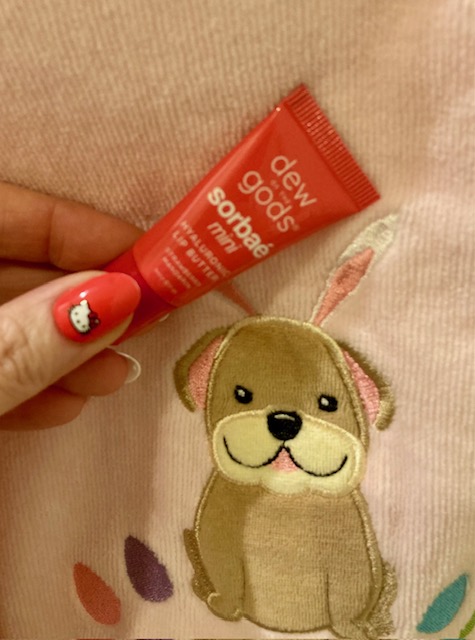
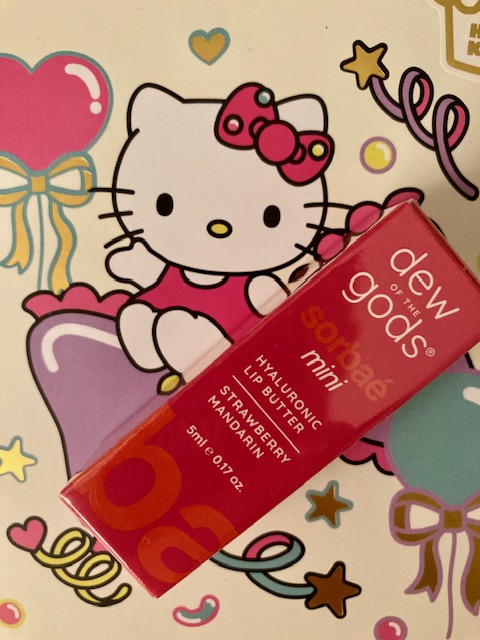
Review: Dew of the Gods Sorbae Mini in Strawberry Mandarin

What It Is: Lip Butter

Active Ingredients: Hyaluronic acid and Lactic Acid

Verdict: This product is a luxurious treat for the lips. Its smooth, buttery texture glides on effortlessly, providing instant hydration without feeling greasy. Infused with nourishing ingredients, it leaves lips feeling soft and plump with a subtle, natural sheen. The delightful, fruity scent adds an extra touch of indulgence, making it a pleasure to apply. The mini size is perfect for on-the-go, fitting easily in your purse for quick touch-ups. Overall, it’s a great addition to any lip care routine, offering both hydration and a refreshing burst of flavor. Highly recommended!

Price: $24 (for full size)

Where to Buy It: Sephora, Ulta, or https://dew.co/

DID YOU ENJOY WHAT YOU JUST READ? IF YES, THEN SUBSCRIBE TO THE BLOG, GIVE THE POST A LIKE, OR LEAVE A COMMENT! NEW POSTS ARE UP EVERY TUESDAY & THURSDAY!
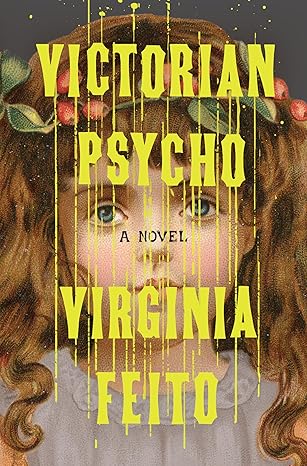
Book Review: Victorian Psycho by Virginia Feito

I fail to understand why men think violence will intimidate women.

PLOT SUMMARY:

Grim Wolds, England: Winifred Notty arrives at Ensor House prepared to play the perfect governess—she’ll dutifully tutor her charges, Drusilla and Andrew, tell them bedtime stories, and only joke about eating children. But long, listless days spent within the estate’s dreary confines come with an intimate knowledge of the perversions and pathetic preoccupations of the Pounds family—Mr. Pounds can’t keep his eyes off Winifred’s chest, and Mrs. Pounds takes a sickly pleasure in punishing Winifred for her husband’s wandering gaze. Compounded with her disdain for the entitled Pounds children, Winifred finds herself struggling at every turn to stifle the violent compulsions of her past. French tutoring and needlework are one way to pass the time, as is admiring the ugly portraits in the gallery . . . and creeping across the moonlit lawns. . . .

Patience. Winifred must have patience, for Christmas is coming, and she has very special gifts planned for the dear souls of Ensor House. Brimming with sardonic wit and culminating in a shocking conclusion, Victorian Psycho plunges readers into the chilling mind of an iconic new literary psychopath.

GRADE: A

REVIEW:

Victorian Psycho is exactly what it sounds like: a twisted carnival of blood, mayhem, and delightful madness that somehow manages to have a voice so captivating, you’ll feel like you’re sipping tea with a homicidal maniac in a top hat. And let’s be clear—this book is fun. Not just fun in the “let’s play a nice board game” way, but the kind of fun where you’re throwing dice and hoping they don’t land in a pool of blood. The plot is ridiculously thrilling, with a twisted blend of Victorian manners and shocking, gory violence. The characters? They’re more memorable than a morning in a butcher shop, and every chapter feels like you’re being whirled through a carnival of chaos. Blood splatters on the page with the same frequency as witty one-liners—both equally delicious.

But here’s where the book really shines: the voice. The writing is pure, unadulterated joy. Imagine an author who’s had too much tea laced with a dash of dark humor and a pinch of madness. That’s the voice. It’s snarky, witty, and always one step away from tipping over into total insanity. You’ll be chuckling at the absurdity of it all, even as you wipe the bloodstains off your clothes.

The narrative isn’t just a story—it’s like you’re chatting with a delightful, if slightly unhinged, guide through a maze of murder and mayhem. And the blood—did I mention the blood? It’s there in all its crimson glory, a reminder that this isn’t a cozy Victorian novel where characters sip brandy and read poetry. It’s a bloody, thrilling roller coaster, and you won’t be able to put it down. In conclusion, Victorian Psycho is a masterclass in balancing dark humor with chaos and gore. It’s a wild ride you won’t forget—entertaining, bloody, and a perfect escape if you enjoy your stories with a touch of the macabre and a whole lot of wit.

*Thank you so much to NetGalley & Liveright for the audio copy of this book in exchange for an honest review!

DID YOU ENJOY WHAT YOU JUST READ? IF YES, THEN SUBSCRIBE TO THE BLOG, GIVE THE POST A LIKE, OR LEAVE A COMMENT! NEW POSTS ARE UP EVERY TUESDAY & THURSDAY!
3 Beauty Secrets You Didn’t Know You Needed (But Totally Do)

We all have our tried-and-true beauty routines—moisturize, maybe some mascara, and, if you’re feeling fancy, a little highlighter. But what if I told you there are some hidden gems in the beauty world that most people have never heard of? These beauty secrets are the kind of stuff that will have you saying, “Why didn’t anyone tell me this sooner?!”

Let’s dive in and get your beauty game next level.

1. Using Ice Cubes for Pore Perfection

Here’s a cool trick (pun intended) that might just change your life: ice cubes for glowing skin and smaller pores. Seriously. Rubbing an ice cube over your face for a minute or two before applying your skincare routine can help tighten and minimize the appearance of pores, reduce puffiness, and boost circulation. You know that refreshing feeling you get after an ice-cold splash of water? Imagine that—but for your face.

How it works: The cold helps constrict blood vessels, reducing swelling and giving your skin a fresh, lifted look. Plus, it can even help set your makeup so it lasts longer!

Pro Tip: You can even freeze green tea or rose water into ice cubes for added skin benefits. You’re basically a skincare genius at this point.

2. Lifting Your Brows with Vaseline (Yes, Really)

Okay, before you panic and wonder if I’ve lost my mind—hear me out. Vaseline (or petroleum jelly) isn’t just for chapped lips. It’s an underrated beauty secret that can do wonders for your brows. You can use it to tame unruly brows and give them a natural, fuller, and lifted look. Just dab a tiny bit of Vaseline onto your brow spoolie or finger and brush through. It’ll hold the hairs in place without making them crunchy, plus it gives them that sleek, shiny, just-groomed effect.

Why it works: Vaseline coats the brow hairs, creating definition and holding them in place all day. Think of it as a natural brow gel—minus the $20 price tag.

Pro Tip: Don’t go overboard, though! A tiny dab is all you need. You’re going for “brow goals,” not “greaseball chic.”

3. Sleep on a Silk Pillowcase for Better Skin and Hair

We all know that getting enough sleep is key for glowing skin, but did you know that what you sleep on also makes a difference? Silk pillowcases are a beauty game-changer, and they’re not just for luxury—they’re for you, too. Sleeping on silk can help reduce friction on your skin and hair, which means fewer wrinkles, less hair breakage, and smoother skin overall.

How it works: Silk is much gentler on your skin and hair than cotton, which can tug and cause irritation. Plus, silk helps to lock in moisture, keeping your skin hydrated overnight.

Pro Tip: If you can’t splurge on a whole silk pillowcase, at least try a silk pillowcase for your face. Your skin will thank you the next morning.


There you have it—three beauty secrets that can elevate your routine from “meh” to “wow!” Whether you’re freezing your way to flawless skin, lifting your brows with the power of petroleum jelly, or pampering yourself with a silk pillowcase, these little-known hacks will have you feeling like a beauty guru in no time. Try them out, and you’ll be the one sharing your new secrets with everyone else soon enough!

What’s your favorite beauty secret? Let me know—after all, we could all use a little extra glow. ✨

DID YOU ENJOY WHAT YOU JUST READ? IF YES, THEN SUBSCRIBE TO THE BLOG, GIVE THE POST A LIKE, OR LEAVE A COMMENT! NEW POSTS ARE UP EVERY TUESDAY & THURSDAY!