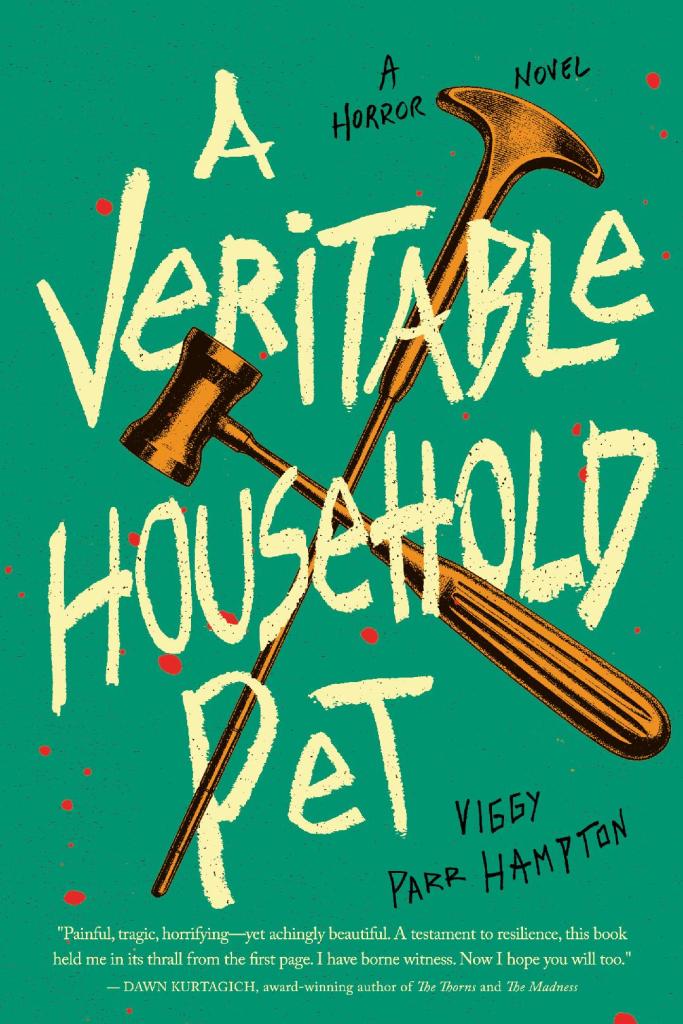

Victoria Rogers pressed her good arm to her very bruised, almost broken ribs. “Dad, don’t,” she said, trying to stay as still as possible. “You can’t be funny. It already hurts to breathe. It wasn’t a horse.”
Her father frowned. “I was told you were thrown off a horse.” “I was thrown out of a truck.”
“Then how’d you get the black eyes?”
“The ground was a little bit pissy when I hit it and punched me back.”
There wasn’t a part of her that didn’t hurt. The good news was that now that the medical staff had determined she didn’t have a head injury, they were going to give her drugs to help with the pain. She’d already said she didn’t want any of that weak-ass pill stuff. She wanted a nurse to give her a shot of something that would work instantly and let her rest. Because in addition to the bruised ribs, requisite scrapes and contusions, she had a broken left leg and a sprained wrist. Her previously dislocated shoulder also throbbed, but that was kind of the least of it.
As she lay in her hospital bed, feeling like death on a tortilla, she had the thought that maybe stunt work wasn’t for her. Injuries came with the job, but this was the third time in five years she’d landed in the hospital. The first time she’d messed up, so that was on her, but the other two had just been plain bad luck. The incident with the truck had come about because one of the tires had blown, causing the however many ton vehicle to jump the curb—an action that had sent her flying up and over the side. Gravity, being the bitch it was, had flung her onto the sidewalk. Hence the injuries.
Her father studied her, his brows drawn together in concern. “None of this makes me happy,” he told her.
The incongruous statement nearly made her laugh. She remembered—just in time—that her ribs wouldn’t appreciate the subsequent movement and they would punish her big-time.
“Today isn’t my favorite day either,” she admitted, trying not to groan. “I didn’t wake up with the thought that I should try to get thrown out of the back of a pickup.” Although technically getting thrown out of the truck had been the stunt. Just not when it had happened and without warning or a plan.
“I’m worried,” her father told her.
“I’ll be fine.”
“This time.”
She winced, and not from pain. “Now you sound like Mom.”
Her father, a handsome man only a few months from his sixtieth birthday, brightened. “Thank you, Victoria. That’s such a nice thing to say.”
Given her weakened condition, she let that comment slide. Honestly she didn’t have the strength to deal with it right now, even though she knew her father understood exactly what she’d been saying. He was only pretending to not get it.
“If you’re going to act like that, you should go,” she said, then amended what could be construed as a catty comment into something more kind. Mostly because she only had the emotional energy not to get along with one of her parents, and her mother had already claimed that prize. “Besides, they’ll be bringing my drugs any second. I plan to surrender to sleep, so I’m not going to be very conversational.”
As if to prove her point, one of the nurses walked in with a syringe. “Ready to feel better?” he asked cheerfully.
“Yes, and let me say, you’re my favorite person ever.”
He winked. “I get that all the time.”
He slowly injected whatever the medication was into her IV. Victoria drew in a shallow breath as she waited to feel that first blurring of the edges of the pain. Modern medicine was a miracle she intended to embrace.
The nurse left. Milton took her good hand in his.
“I’ll let you rest,” he told her. “But I’ll be back later tonight.” He squeezed her fingers. “Tomorrow, when you’re released, I’m taking you home.”
Ugh. Victoria knew that her father wasn’t talking about the pretty condo he’d bought her when she’d turned twenty-one. Instead he meant the house where she’d grown up. The one where her mother still resided.
“I don’t need to move back,” she protested, feeling the first telltale easing of the pain. “I have a few bumps and bruises.”
“Along with a broken leg. And what about your ribs? You can barely move without wincing.”
“I have zero pain tolerance. I’m a total wimp.”
He frowned. “You’re tough and stoic. If you’re showing signs of pain, it’s bad. You’ll stay with your mother and me until you’re well enough to be on your own.” He pointed at her. “I mean it, Victoria. You don’t get a vote.”
Her father was rarely stern with her, so his sharp tone warned her he wasn’t kidding. And she knew from twenty-four years of experience that arguing with the man would get her nowhere. Milton didn’t take a stand very often, but when he did, he was the immovable object.
“I wish you loved me less,” she murmured, feeling a little floaty and stumbling over her words. “Okay, I feel drugs. Let me enjoy the experience of breathing without, you know, wanting to die.”
Oh, baby girl. You’ve always been difficult.”
“I know. It’s one of my best qualities.” Her eyes drifted closed. “Love you, Dad.”
“Love you more.” He kissed her cheek. “I’ll see you tonight.”
DID YOU ENJOY WHAT YOU JUST READ? IF YES, THEN SUBSCRIBE TO THE BLOG, GIVE THE POST A LIKE, OR LEAVE A COMMENT! NEW POSTS ARE UP EVERY TUESDAY & THURSDAY!
Being a sugar baby isn’t all it’s cracked up to be. After a failed art career and a failed relationship, Baby has lost her way. She’s adrift in the post-Y2K, pre-Facebook world and stuck in her Florida hometown, selling stolen goods online and working as a sugar baby. Even though she’s hustling hard, there’s still never enough money to pay the bills, and her long-suffering roommate is ready to put her out on the streets. One night after a bad date with her sugar daddy, Baby is assaulted by a mysterious woman in a parking lot. The attack leaves her disoriented and exhausted, so Baby takes to her bed to lie there and rot, like, for real. With every passing day, Baby’s looks and health decline in strange and horrific ways. Soon, it becomes apparent that the strange woman who assaulted her had something to do with her declining state. Baby needs to find her attacker, reclaim her life and her beauty, and get her shit together once and for all. But at what cost?
Bed Rot Baby is a pink horror meditation of self-discovery through self-destruction, and the real cost of self-image, self-esteem, and beauty.
GRADE: A
REVIEW:
Bed Rot Baby is a strange, stylish little gem, eerie, satirical, and surprisingly tender. Wendy Dalrymple offers a fresh and unsettling take on themes of immortality and beauty, exploring what happens when the desire to stay young and untouched by time turns obsessive.
Rather than leaning on the usual tropes, Dalrymple injects the story with biting social commentary and dark humor. The idea of eternal youth is twisted into something claustrophobic, even grotesque, and the result is a story that feels both modern and mythic. It’s a clever reflection on sugar baby culture, the commodification of beauty, and the way society rewards women for staying small, still, and pretty forever.
The writing is sharp and compact, the tone shifting between dreamy and disturbing in all the right ways. It’s not a long read, but it lingers.
If you’re into offbeat horror with something to say, especially about the cost of being “perfect” forever Bed Rot Baby is well worth your time.
*Thank you so much to NetGalley & Quill & Crow Publishing House for a digital copy of this book in exchange for an honest review!
DID YOU ENJOY WHAT YOU JUST READ? IF YES, THEN SUBSCRIBE TO THE BLOG, GIVE THE POST A LIKE, OR LEAVE A COMMENT! NEW POSTS ARE UP EVERY TUESDAY & THURSDAY!

So standing here at the head of the conference table, expect-ant eyes of Very Important People all on her, was pretty much torture.
But Julia was the CEO of Starlight Cosmetics, this company was her baby, these VIPs the executives she hired to help grow the business. And the news she had to share with them was monumental.
She scanned her memory for the advice from her executive coach for this kind of situation. The only thing she could remember was, contrary to everything she’d ever been told before in her life, never try to picture your audience naked. It would make the nerves even worse.
And, of course, now that’s all Julia could think of.
She closed her eyes for a moment to clear her mind of all the unfortunate images fighting to run through her head.
What was that one thing her coach told her?
Squeeze your butt cheeks to hold the plank. Wait, no, that was her abs coach.
If the recipe calls for garlic, double it. Wrong again. That was her cooking coach.
Oh, screw it. What was the use of having all these people to help Julia better herself when she couldn’t call upon the advice when needed?
She cleared her throat and decided to wing it.
“I know you’re all busy, so I’ll make this quick. Look, it’s not how I wanted to do this . . .”
Her dream, rather, was to one day point at each of them and tell them an exorbitant dollar amount for a bonus. Enough money for them to buy new homes in the hills or on the beach, whichever they preferred.
“Wait—are you firing us?” someone cried out from the other end of the table.
Julia’s eyebrows shot up to her hairline. “What? No, of course not. Don’t be ridiculous.”
Always start with something personal and positive to get people excited about what you’re going to say. Oh yeah, that’s the brilliant advice her coach had mentioned.
“Oh gosh, I’m so sorry. I didn’t mean to sound so ominous.” Julia quickly backtracked. “It’s just that, well, at the risk of get-ting too squishy in a work meeting, I really wanted to thank you all for taking a chance on me way back when all of this was just an idea in my head.”
Julia swallowed the emotion building in her throat as she looked around at the team she’d put together to lead this company. They were the ones who took her idea to merge the best in the Korean skincare market with the high demands of the US consumer and built what was now one of the fastest- growing organic, clean K- beauty brands in America.
“I just want to tell you how much I appreciate your hard work and loyalty. I don’t know that any of us anticipated this kind of success. But honestly, none of it would have happened without each and every one of you and your contribution. And now, I have some really great news. As you know, Starlight’s Lotus Bamboo Essence was selected for Allure’s Best of Beauty awards. Which was a dream come true for us. But it doesn’t end there.”
Julia inserted the dramatic pause her public speaking coach had encouraged her to use. The looks of anticipation around the room fueled her excitement.
“I’m thrilled to share that the same Lotus Bamboo Essence has also been selected as one of this year’s Oprah’s Favorite Things!”
There was a silent pause of shock, followed by an eruption of applause and cheers, high fives, and hugs shared around the table.
“We’ll need to reforecast sales projections. We’re gonna blow up with the exposure . . .”
“We’re gonna have to update a comms plan . . .”
“We have to think of how we add this to the packaging design . . .”
“We need to make sure the supply chain can handle the increased distribution . . .”
“Oprah still has major influence on Gen X consumer spending. It’s a big win for a product . . .”
Yup, that was her team . . . no- nonsense, capable, loyal, honest . . . and the hardest- working, most talented people in the industry. And they were all business, just like her.
Her chest swelled as she watched them leave to get back to work, patting each other on the back as they walked out, taking the noise with them.
Julia started this company at only twenty- six years old. She’d disappointed her parents by changing her major from pre- med to business administration. She lived off ramen and PB&J sandwiches for a good year just to scrape by as she worked tirelessly to research the hadn’t exactly welcomed her with open arms. And she stomached the start- up community’s boys’ club as she tried to secure funding for the company.
And four short years later, they were on the verge of something huge. Hard work and dedication had brought them to this level of success. So yeah, she was proud of them, proud of herself. And at only thirty, she was finally in a position financially to take care of her family without worry.
When the last person left her office, Julia turned to look out the windows, the hustle and bustle of Santa Monica ten floors below. She took a deep breath.
“That’s right, motherfuckers,” she screamed, while pumping her fist. She shook her hips back and forth, adding in some aggressive hair throws and, why the heck not, followed it with a body roll. “Oh yeah, uh- huh . . .”
“Oh dear, that’s something I’m not likely going to forget seeing.”
Record scratch.
Julia halted her celebratory dance and quickly patted down her hair, trying to tuck her I- knew- I’d- regret-these bangs behind her ear as her assistant, Annette, entered the office.
“Unlike what your schedule says on paper, you’ve only actually attended that hot yoga class once. Should you really be try-ing to move your body like that?” Annette asked. “I wouldn’t want you to hurt yourself.”
“You’re fired.”
Annette passed her the cup of black coffee in the Morning Person mug that she knew was a lie, along with a multivitamin and a probiotic. Breakfast of champions.
“Just remember that I know where the bodies are hidden. Oh, and I have those pictures of you from that one holiday party . . .”
“Okay, fine, you can stay,” Julia conceded.
“Is it a good time to ask for a raise?”
Julia tried to shoot Annette a glare but couldn’t keep back the smile. It was a secret to no one that Annette was invaluable to the Starlight team, and most days she was the one bossing Julia around. Julia shook her head and took a seat at her desk. “Can you forward the O magazine email to the team so they know all the details?”
“You betcha,” Annette said. “Have you told your folks yet?”
“No, not yet. I don’t think they’d even understand what a big deal this is.”
“Make sure to tell them.” Annette wasn’t only her assistant, she was also her work- mother as well. “Oh, and here is the updated short list of investors we might want to approach for global expansion. One bad meeting doesn’t have to halt progress.”
One bad meeting was an understatement. The last time Julia had met with an investment firm for an informational meeting, they kept asking about her significant other, driving home that they were a family- run business built on traditional values. They looked at her as young and inexperienced not because of her age— she knew plenty of male CEOs who were thirty— but because she wasn’t married with children. In their eyes, Julia wasn’t reliable because she wasn’t settled . . . settled down, that is.
Her accomplishments, alone, weren’t enough.
I’ll show them, she thought to herself as she gritted her teeth. Julia grabbed the list from Annette with a little bit more force than necessary and nodded. “Thanks.”
“Hey.” Annette softened her voice like she so rarely ever did. The one word in that tone made Julia surprisingly emotional. “It’s a good day, boss lady. You should be proud.” She patted Julia on the shoulder before walking back to her desk just outside Julia’s office.
DID YOU ENJOY WHAT YOU JUST READ? IF YES, THEN SUBSCRIBE TO THE BLOG, GIVE THE POST A LIKE, OR LEAVE A COMMENT! NEW POSTS ARE UP EVERY TUESDAY & THURSDAY!
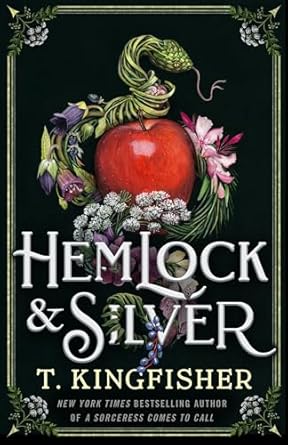
Fallon is a fixer. From planning prom to organizing her college applications, she’s got it all figured out…except for when her younger sister comes to her with very basic questions about sex. Shocked that she knows so little—and her fellow classmates even less—Fallon decides some practical education is in order. And Fallon isn’t above practicing a little civil disobedience by creating a secret underground off-campus group.
Shelby is a fighter. Having her nose broken is nothing new in her semiprofessional career…but this time it’s her boyfriend who threw the punch. Now her phone is blowing up with texts from a new guy who tells her she’s perfect, she’s special, she’s everything he’s ever wanted…except for a few small details. Shelby’s happy to adjust for him, because isn’t that what a healthy relationship is about?
Jobie is a failure. She doesn’t have enough followers and her posts never go viral, no matter how hard she crushes challenges and applies exactly the right filter. But a friendly DM from a good girl just like her points her in the direction of a whole new audience of admirers. Guys who just want to talk. Guys who give her the attention she’s always wanted.
The lives of all three girls intersect in Fallon’s secret class, rumors of which have parents up in arms. Fallon needs to keep herself anonymous, Shelby needs to keep her new boyfriend happy, and Jobie needs to keep her followers…who keep asking for more. Each girl finds herself trapped in an inescapable situation—that will leave one of them dead.
GRADE: B-
REVIEW:
Mindy McGinnis has been an auto-buy author for me for years — I absolutely love her writing and the bold stories she tells. That said, How Girls Are Made didn’t hook me the way her previous books have.
Set against the backdrop of a society that still struggles with how it defines and disciplines girlhood, the plot is timely and unflinching. McGinnis explores themes of bodily autonomy, trauma, identity, and power, all through the lens of a young girl navigating a system that often fails those who need the most protection. As always, her writing pulls no punches. It’s raw, honest, and at times difficult to read, but that’s exactly what makes it so impactful.
The themes are incredibly timely and important, and McGinnis never shies away from tough topics. But the pacing felt slow for much of the book, and it didn’t really hit its stride until about 90% in. That final stretch is powerful, though, and it’s what ultimately makes me recommend this one, especially for teen readers who can benefit from the message.
The characters are complex and real, whose voices ring with authenticity and strength even in their most vulnerable moments. McGinnis never talks down to her readers; instead, she challenges them to confront harsh truths with empathy and open eyes.
In an era where conversations about gender, control, and justice are more urgent than ever, How Girls Are Made couldn’t be more timely. It’s not an easy read, but it’s an important one.
Not my favorite from her, but still worth the read. Highly recommended for readers who appreciate bold storytelling with something to say.
*Thank you so much to NetGalley & Harper Collins for a digital copy of this book in exchange for an honest review!
DID YOU ENJOY WHAT YOU JUST READ? IF YES, THEN SUBSCRIBE TO THE BLOG, GIVE THE POST A LIKE, OR LEAVE A COMMENT! NEW POSTS ARE UP EVERY TUESDAY & THURSDAY!
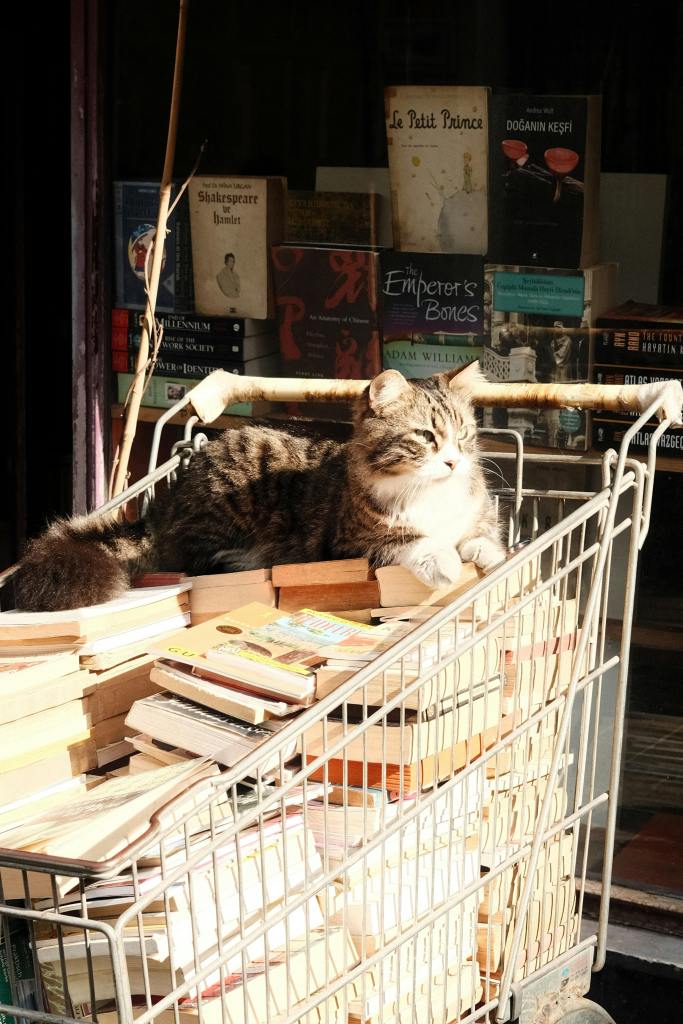
C-L-I-N-T. That single short, sharp syllable has stood as an emblem of American manhood and morality and sheer bloody-minded will, on-screen and off-screen, for more than sixty years. Whether he’s facing down bad guys on a Western street (Old West or new, no matter), staring through the lens of a camera, or accepting one of his movies’ thirteen Oscars (including two for Best Picture), he is as blunt, curt, and solid as his name, a star of the old-school stripe and one of the most accomplished directors of his time, a man of rock and iron and brute force: Clint.
To read the story of Clint Eastwood is to understand nearly a century of American culture. No Hollywood figure has so completely and complexly stood inside the changing climates of post–World War II America. At age ninety-five, he has lived a tumultuous century and embodied much of his time and many of its contradictions.
We picture Clint squinting through cigarillo smoke in A Fistful of Dollars or The Good, the Bad and the Ugly; imposing rough justice at the point of a .44 Magnum in Dirty Harry; sowing vengeance in The Outlaw Josey Wales or Pale Rider or Unforgiven; grudgingly training a woman boxer in Million Dollar Baby; and standing up for his neighbors despite his racism in Gran Torino. Or we feel him present, powerfully, behind the camera, creating complex tales of violence, morality, and humanity, such as Mystic River, Letters from Iwo Jima, and American Sniper. But his roles and his films, however well cast and convincing, are two-dimensional in comparison to his whole life.
As Shawn Levy reveals in this masterful biography—the most complete portrait yet of Eastwood—the reality is richer, knottier, and more absorbing. Clint: The Man and the Movies is a saga of cunning, determination, and conquest, a story about a man ascending to the Hollywood pantheon while keeping one foot firmly planted outside its door.
GRADE: A
REVIEW:
Yes, this book is long — but when you’re covering the life of Clint Eastwood, a towering figure in Hollywood for over half a century, how could it not be?
I’ve always admired Eastwood’s work, both in front of and behind the camera, but I knew very little about the man himself. Clint pulls back the curtain on his personal life, revealing a complex and often controversial figure. Levy doesn’t shy away from Eastwood’s flaws, including his well-documented struggles with fidelity and the ruthless way he sometimes handled personal and professional relationships. (Just ask Sondra Locke.)
What really stood out to me, though, was the story of how Eastwood built his career. He wasn’t always taken seriously as an actor, in fact, many doubted his talent early on. But through a mix of grit, luck, and relentless ambition, he carved out a legendary place in film history. That journey is fascinating to follow.
If you’re a fan of Clint Eastwood or just love Hollywood history, this book is absolutely worth your time. Shawn Levy does a fantastic job digging deep and telling the full story, warts and all.
*Thank you so much to NetGalley & HarperAudio for the audiobook copy of this book in exchange for an honest review!
DID YOU ENJOY WHAT YOU JUST READ? IF YES, THEN SUBSCRIBE TO THE BLOG, GIVE THE POST A LIKE, OR LEAVE A COMMENT! NEW POSTS ARE UP EVERY TUESDAY & THURSDAY!
Writers aren’t immune to the pressures of daily life—if anything, the creative process can sometimes amplify stress. You carry stories, characters, and emotions in your head while managing deadlines, critiques, and the strain of always trying to outdo your last piece. Finding productive ways to navigate that pressure isn’t just good for your craft—it’s essential for your mental health. That’s where creative outlets beyond the page come into play, offering new ways to release tension, reconnect with yourself, and reignite inspiration.
The Unexpected Magic of Dance
You probably think with your hands when you’re writing, but your body holds untapped creative power. Dance isn’t just movement—it’s storytelling in physical form. Letting yourself flow to music, whether in a class or your living room, can shift your emotional state more quickly than you expect. As a writer, this outlet can unstick mental blocks by giving your mind the space to rest while your body takes over, helping you re-enter the page more grounded.
Create Art Using an AI Painting Generator
When you’re creatively drained but still need an expressive outlet, using an AI painting generator can be a stress-free entry into the world of visual storytelling. These tools allow you to create digital artworks by inputting simple text prompts, transforming ideas into images that emulate traditional mediums like watercolor or oil painting while also allowing users to make adjustments to style, color, and lighting effects. That means you can create without needing to learn technique—and yet still get something beautiful back. The intersection between AI painting generator and classic art offers a rare bridge between imagination and execution, letting you explore themes, moods, or even character settings in a whole new format.
Photography as a Mindful Pause
There’s something about holding a camera or even just a smartphone that invites you to slow down. Photography trains you to see—really see—the small details: the shadows on a sidewalk, the expression in someone’s eyes, the colors right before sunset. For writers constantly lost in abstractions or plotlines, taking photos creates a mindful pause. You begin noticing your surroundings in a new way, and those visual notes often return later as textures in your prose.
Play a Musical Instrument You’re Not Good At
If you’re a perfectionist writer, try picking up an instrument you have zero skill with. Let yourself be bad on purpose. Strumming out chords that barely make sense or tapping away at offbeat rhythms can trigger laughter and a break from self-judgment. The creative pressure lifts when the stakes are low, and that experience alone can refresh how you approach structure, tone, or voice when you return to writing. It’s not about mastery—it’s about joy and surprise.
Journal Without a Storyline
Sometimes, you need to write, but not write for others. Journaling without structure, plot, or grammar lets your internal voice roam. It isn’t a draft or an essay—it’s a raw, unfiltered glimpse into your own mind. When you write without the pressure of form, something powerful happens: your subconscious starts to loosen, and emotions surface without resistance. That release can act like an emotional detox, unclogging stress and clearing a path for more deliberate creativity later on.
Create Soundscapes for the Worlds in Your Head
If you’re someone who builds entire worlds in your stories, creating ambient soundscapes can add a surprising layer to your imagination. Using white noise machines or apps to blend forest sounds, city traffic, haunted echoes, or jazz from a faraway club turns your story’s setting into something you can hear. It’s oddly immersive and helps you “enter” your world in a deeper way. Plus, creating audio gives your mind a break from text and grammar, allowing you to connect with tone and vibe through a different sensory channel.
Mind Mapping With Colors and No Words
You’ve probably tried outlining or storyboarding with black ink on a whiteboard. But what if you took words out of the equation entirely? Using markers, colored pencils, or pastels to build a visual representation of your mental state or creative goals engages a different part of the brain. You’re no longer trapped in the loop of left-brain analysis. Instead, you’re engaging symbols, movement, and mood—and that might just unlock the solution to a plot twist you’ve been stuck on for weeks.
Creative burnout is real, especially when writing becomes entangled with deadlines and expectations. But your creativity isn’t limited to just writing—it’s a living, breathing thing that thrives on novelty, texture, and curiosity. Finding stress relief through alternative creative outlets doesn’t take you away from your writing; it fuels it in ways you can’t always anticipate. So the next time stress creeps in, don’t push through blindly. Step sideways into dance, color, clay, or music—and find yourself coming back to the page not just lighter, but inspired.
Discover a world of captivating stories and insightful reviews at The Inkblotters, where every page turn is an adventure waiting to unfold!
Guest blog post by Stephanie Haywood, read her previous guest blog post HERE and HERE or visit her website: MY LIFE BOOST.
DID YOU ENJOY WHAT YOU JUST READ? IF YES, THEN SUBSCRIBE TO THE BLOG, GIVE THE POST A LIKE, OR LEAVE A COMMENT! NEW POSTS ARE UP EVERY TUESDAY & THURSDAY!
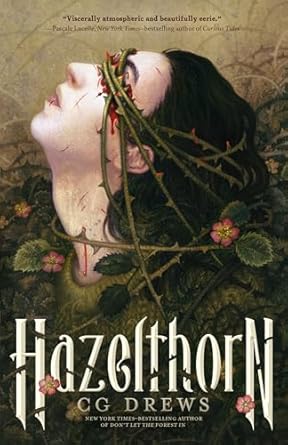
You should be writing.hexing people who tell you that you should be writing.
—NOTE ON THE BLACKBOARD IN THE MAGE STUDENT COPY ROOM, EDITED IN ANOTHER HAND
THE CLASSROOM DOOR SHIMMERED, AND I SCOWLED AT IT. Twenty minutes ago, the door had been normal. Mundane, even. A steel slab with a hydraulic hinge that had a nasty habit of seeming to swing slowly shut before slamming all at once. It opened onto a fluorescent-lit room overstuffed with motley desks and accessorized with a decrepit whiteboard. Inside, I’d drawn my containment circle using a piece of chalk pilfered from the lecture hall down the way and cast my working. Then, I’d stepped out for a coffee.
Now, two minutes late to my own class, I pressed my palm to the door and felt a frizzle of static ghost its way up my arm and into my hair. My bangs went blowsy. I swatted them out of my eyes and shook the sting from my hand.
So much for making a professional first impression.
Of all the ill-starred winter terms I’d experienced in this program, this one was already well on its way to being the worst, and it was only day one. If I was being fair, it wasn’t the door’s fault. Someone else teaching in this room had thrown up a ward to penalize late students. I was going to have to take it down, or spend the next ten weeks fighting with it. But I wasn’t in the mood to be fair. Not with an 8 a.m. class to teach and a meeting with my advisor immediately after.
Sighing, I levered the door handle down and pushed through the field of prickling magic. Thirty-five
heads—according to my course roster—swiveled in my direction as I stalked toward the front of the room. I pretended not to notice them, smoothing my bangs with my fingertips in an effort to compose myself.
“Hey! The professor’s going to be here any minute, dude. Stop messing around,” someone called out.
As a young, femme, and heavily tattooed instructor who habitually dressed in faded jeans and the nicest clean top I could find in the laundry basket—today’s wasn’t wrinkled . . . much—I was used to that reaction. Instead of replying, I set my satchel on the long table that served as the room’s makeshift lectern and fished out a dry-erase marker.
Concerned whispers soughed through the room. I ignored them, scrawling information on the board:
Spell Composition I
Under that, I added:
Ms. Dorothe Bartleby (she/her)
As I wrote, the whispers quieted until the only sounds were the squeaking of my marker and the high-pitched flickering of the fluorescent lights.
When both my nerves and the room were well and truly calm, I turned back around with a flourishing bow that triggered the working I’d cast earlier.
Students gasped and giggled as syllabi winked into existence above each occupied desk and slowly fluttered into place. They wouldn’t be as impressed if they knew my housemate, Cy, had given me his spell for the working just a couple days earlier. Still, their delighted bafflement was almost enough to make me smile, despite the morning’s irritations.
“My name is Dorothe Bartleby, but you can call me Ms. B.”
I paused to gesture at the board. “I teach Spell Composition I. If you’re here for another class, this is your cue to exit.”
A couple of students scurried out of the room as inconspicuously as possible. Which of course meant that the sound of their packing, bags zipping, and sneakered tiptoeing on the waxed vinyl flooring was so loud it was pointless to continue until the capricious classroom door swung shut behind them.
The remaining thirty-three or so students watched me warily. Smiling, I reached for my heavily annotated copy of the syllabus.
“This course is part of a learning community with Ms. Darya
Watkins’s Herbalism 101. The work you do in Spell Composition I will complement your work in that class. By the end of the term, you will have drafted and revised two academic-quality spells.”
The corresponding groan came from nowhere and everywhere at once, an overwhelming expression of sentiment that shuddered me back into freshman year. My shoulders tensed with the sense-memory of panicked drafting, late-night grappling with the arcane rules of the Mage Language Coven’s style guide, the growing certainty I’d never be a real practitioner because I couldn’t even format my grimoire citations correctly on the battered electric typewriter I used for my assignments.
I took a breath and dropped my shoulders, forcing myself to focus on the students in front of me. Someone had helped me, and I would help them. They might still hate the class at the end. Hec, most of them probably would. It was a gen-ed, designed for gatekeeping and consequently loathed by the student population. But they’d make it through. I’d see them through.
Quiet settled in as I regarded them.
Tangled auras, pained grimaces, sleep-crusted eyes . . . This group was so starkly different from last term’s Spell Composition I students that I couldn’t help a sudden rush of sympathy. There was something special about the off-cycle students, the unwieldy or unlucky or un . . .something few who’d fallen out of the campus’s natural rhythm. And it wasn’t just that I had recently become one of them.
Students who took this course in fall term, as admin recommended, tended to be bright eyed and happy-go-lucky, brimming with the magic of sun-dappled October days and pumpkin-flavored beverages. But it was January, skies glowering with rain clouds, and these students were in for a bumpier ride. They knew it. And they’d persist, despite it.
I looked at them and they looked back at me, wearily expectant.
“Most of my students come to class with a very specific preconceived notion,” I told them. “Maybe it’s self-imposed, or maybe it’s something you were told again and again until it stuck.”
I stalked back to the board and scrawled a giant number across it.
“According to our preclass survey, eighty-five percent of you self-identify as ‘bad spell writers.’ That’s bullshit.”
The class gasped and tittered.
“You’ve been hexed, or hexed yourselves, into believing one of the biggest lies in academia—that there’s only one kind of ‘good spell writing,’ or that only certain kinds of practitioners can be good spell writers. Bull. Shit.”
Fewer titters this time, because I’d gotten their attention. Hexing was a serious accusation—workings intended to cause harm violated the student code—and right about now they’d be trying to sort out whether I meant it literally or metaphorically. The thing was, it didn’t matter whether someone had literally hexed them to think of themselves as bad spell writers. The only thing that signified was that 85 percent of them did. It was part of the story they’d learned to tell about themselves. And reality reshapes itself around stories.
“Does anyone have a hunch about why I’d say that?”
Silence. Stillness. As though I was a predator who could only hunt when prey was in motion or making sound. I folded my arms and waited, even though the approximately seven seconds that went by felt like an eternity.
Finally, a hand climbed skyward.
“Yes? You in the striped shirt. What’s your name?”
“Alse. Um, Alse Hathorne.”
“Hi, Alse. Any thoughts?”
“Well . . .” Alse fidgeted with their glasses and scrunched their face, as if uncertain whether their thoughts were worth sharing. “It’s okay to speculate. Take a wild guess.”
Alse huffed. “Okay, thanks. It’s just . . . When you said spell writing isn’t just one thing, it made me wonder what actually counts. Like, am I writing when I’m flipping through old grimoires for research? Does daydreaming about what I want my spell to do count?”
Their tone was half-sincere, half-sarcastic, but I could work with that. I smiled, waiting to see if any of their classmates had a response before sharing mine.
A blonde in a pink tie-dye T-shirt waved, excited.
“Um, yeah, Reed here. Like, are we writing when we select spell ingredients?”
More hands flew up, and for a little while I forgot it was an ill-starred term. I lost myself in discussion.
BLEAK REALITY CROWDED BACK IN AS MY STUDENTS FILED OUT OF THE classroom. In a matter of minutes, my advisor would be giving me the come-to-Hecate talk I’d been dreading since last term. Her email yesterday hadn’t said that, but I could read between the lines of her vague Let’s chat. Can you stop by my office tomorrow?
A knot formed in my stomach as I repacked my satchel.
Every mage student got two attempts—and only two—to pass the Branch and Field exam, our program’s version of the qualifying exam that marked the transition from coursework to dissertation work. I’d failed my first attempt, and this term I’d get one last chance to convince my committee that I had what it took to be a mage.
Except, I wasn’t certain I believed it anymore. I had magic, sure. I was one of the lucky few born with the ability to see past consensus reality to other possibilities. But I didn’t belong here. Not really. Not in the way my housemates did. They were stars in their respective branches, innovating and winning awards. I was squarely middle-of-the-pack among my fellow Thaumaturgy students. A mediocre practitioner in a branch that I’d heard laughingly referred to as the underwater basket weaving of Magic more times than I could count. It wasn’t true. Thaumaturgy was so much more than a catchall for the bits and bobs of magical scholarship that weren’t interesting or important enough to make it into the curricula of Necromancy or Alchemy or even Divination. But my branch’s undeserved reputation didn’t help my confidence.
And now Professor Husik wanted to chat. She was going to tell me I didn’t get a second attempt, after all. That my first try had been so egregiously bad the committee wanted me to pack my things and go. I was so engrossed in the thought that it took me a minute to notice the student who’d stopped in front of my desk, smiling nervously. I blinked a few times, forcing myself to refocus.
“Sorry—”I dredged my memory for the student’s name “—Alse. Do you have a question?”
Alse rummaged in their bag. “Not a question, really, just, uh—”
They handed me a piece of paper and backed away quickly, as if the slightly crumpled page was actually a detonation charm. A ghost of static tickled up my arm as I skimmed the photocopied text, achingly aware that I was going to have to sprint to my advisor’s office to make it on time.
It was an accommodation letter. The requests were common ones: time and a half on exams, an extra week to compose spells, use of an object-based sensory working to manage attention and focus.
I looked up. Alse had used the time to shrink into themself.
“Thank you.” If only I could will away their nerves with my smile. “I know these letters don’t always give me a full picture of how I can best support you. I’d love to chat about that. Can you make it to my office hours today?”
“Really?”
“Really.”
“My last professor nearly exploded when I gave her the letter.”
I couldn’t help but wince. Some faculty took the letters as a personal affront, rather than expressions of students’ desire to be able to actually do the work.
“Is everything okay?”
Alse shrugged. “Sure.” Their tone wasn’t convincing, but every nerve in my body was shouting at me to get moving.
“Okay, good. The directions to my office are in the syllabus. Now, I apologize, but I have to run to another meeting.”
I was halfway down the hall and already out of breath by the time that traitorous classroom door slammed behind me. When it slammed again, signaling Alse’s departure, I’d rounded the corner and hauled open the stairwell door.
I swore under my breath as I climbed. Most elevators on campus were too old and slow to be relied on in a rush. But teleportation wasn’t an option—not even for disabled students.
A group of them had lobbied administration for a change to the policy last year. Their requests were met with a volley of excuses. Teleportation was banned in the student code of conduct due to its disruptive nature and disrespect to the hallowed halls and grounds of this fine institution. It was federally restricted. Over and above all that, though, it was expensive.
I shoved the thought aside, taking the stairs two at a time. I had until the last full moon of term to pass my exam and convince my committee, and myself, that I deserved to be here. That I was ready to advance to mage candidacy, write my dissertation, and join the ranks of full mages out in the world.
I didn’t have time to worry about anyone else’s problems. Even without my advisor’s cryptic summons, I had more than enough of my own.
DID YOU ENJOY WHAT YOU JUST READ? IF YES, THEN SUBSCRIBE TO THE BLOG, GIVE THE POST A LIKE, OR LEAVE A COMMENT! NEW POSTS ARE UP EVERY TUESDAY & THURSDAY!
If you’ve ever thrown together a plate of snacks—half on purpose, half out of pure end-of-day laziness—and thought, This is kind of iconic, congratulations: you’ve made a girl dinner.
“Girl dinner” isn’t about cooking, meal planning, or nutrition pyramids. It’s about vibes. It’s a chaotic, charming little plate of whatever you want—because sometimes, that is the meal. A few slices of cheese, some crackers, half a cucumber, two olives, three grapes, and a single square of dark chocolate? Girl dinner. A leftover spring roll and a glass of wine? Girl dinner. Cereal in a wine glass? Bold. Brave. Girl dinner.
🍷 So… What Actually Is Girl Dinner?
Think of it as:
A solo charcuterie board for one
The edible version of “not tonight”
An aesthetic (and slightly chaotic) snack plate
A celebration of freedom, autonomy, and low-effort luxury
It’s less about what’s on the plate and more about how it feels. You’re not cooking, you’re curating.
🧡 Why We Love It:
No rules. No judgment. You can pair baby carrots with peanut butter and no one can stop you.
Quick + easy. Perfect for after work, post-shower, or when dinner just feels like too much.
Low-stakes luxury. It feels indulgent, even when it’s random.
Body intuitive. You’re eating what you want, when you want, in the way you want.
🥖 Build Your Perfect Girl Dinner:
Here’s a simple (optional) formula if you want to make it look like a meal:
Something sweet – chocolate square, dried fruit, a honey drizzle
Drink of choice – sparkling water, herbal tea, a cold glass of rosé
Remember: presentation is 80% of the experience. Plate it like it’s a spread from a European café and suddenly you’re not “snacking”—you’re living.
📸 For the Feed:
Serve on a small plate or wooden board
Add edible flowers or herbs for flair
Candlelight or a good sunset = chef’s kiss aesthetic
Caption ideas:
“Dinner? She’s curated.”
“A plate of vibes, thank you.”
“Not hungry, just ✨girl dinner✨ hungry.”
🎀 Final Thoughts
Girl dinner is more than a trend—it’s a mood. It’s low-pressure nourishment. It’s choosing pleasure over performance. It’s what happens when you trust your taste and eat like no one’s watching (but also maybe take a cute photo just in case).
So next time dinner feels like too much, build a plate that makes you smile—and call it what it is: girl dinner.
DID YOU ENJOY WHAT YOU JUST READ? IF YES, THEN SUBSCRIBE TO THE BLOG, GIVE THE POST A LIKE, OR LEAVE A COMMENT! NEW POSTS ARE UP EVERY TUESDAY & THURSDAY!

There’s something magical about crisp October air, flickering candles, and the thrill of a good scare. Halloween isn’t just about costumes and candy—sometimes, the best way to celebrate is a cozy night in with your favorite people, a killer snack spread, and a lineup of horror films that will have you double-checking your locks.
Ready to scream (and snack) your way through the season? Here’s how to host the perfect Halloween horror movie night—from creepy cocktails to scream-worthy setups.
🕯️ Set the Spooky Vibe
You want your space to feel like a haunted house meets cozy cabin. Here’s how to get there:
Lighting:
Turn off overheads—stick with string lights, candles (real or LED), and dim lamps.
Bonus points for flickering flame-effect bulbs or black lights.
Decor:
Use faux cobwebs, plastic spiders, and creepy cloth on surfaces.
Scatter mini pumpkins, skulls, and a few vintage horror books or VHS tapes.
Play ambient Halloween sounds or a horror movie soundtrack before the film starts.
Seating:
Pile up blankets, floor pillows, and cozy throws.
Use a projector for that drive-in feel, or make the living room your makeshift theater.
🍿 Build a Sinister Snack Spread
Savory:
“Mummy” hot dogs wrapped in crescent dough
Witch’s cauldron popcorn (add pretzels, candy corn, and chocolate chips)
Cheese board with “monster claws” (cheese wedges + almond slivers)
Sweet:
Caramel apples or apple slices with spooky toppings
Halloween sugar cookies or bloody red velvet cupcakes
Gummy worms crawling out of chocolate pudding cups
Award a prize for “Best Dressed” or “Most Likely to Die First in a Horror Movie.”
🕸️ Bonus Touches
Photo corner: Set up a Halloween-themed photo booth with props
Printable bingo cards: Create horror movie trope bingo to play during the films
DIY survival kits: Mini goodie bags with popcorn, candy, tissues, and glow sticks
🧡 Final Thoughts
The perfect Halloween horror film night is all about atmosphere, great snacks, and the thrill of getting scared with people you love. Whether you’re watching through your fingers or laughing at your friend’s terrified shrieks, the goal is simple: make memories that haunt you in the best way.
So dim the lights, cue the creepy music, and hit play… if you dare. 👀
DID YOU ENJOY WHAT YOU JUST READ? IF YES, THEN SUBSCRIBE TO THE BLOG, GIVE THE POST A LIKE, OR LEAVE A COMMENT! NEW POSTS ARE UP EVERY TUESDAY & THURSDAY!

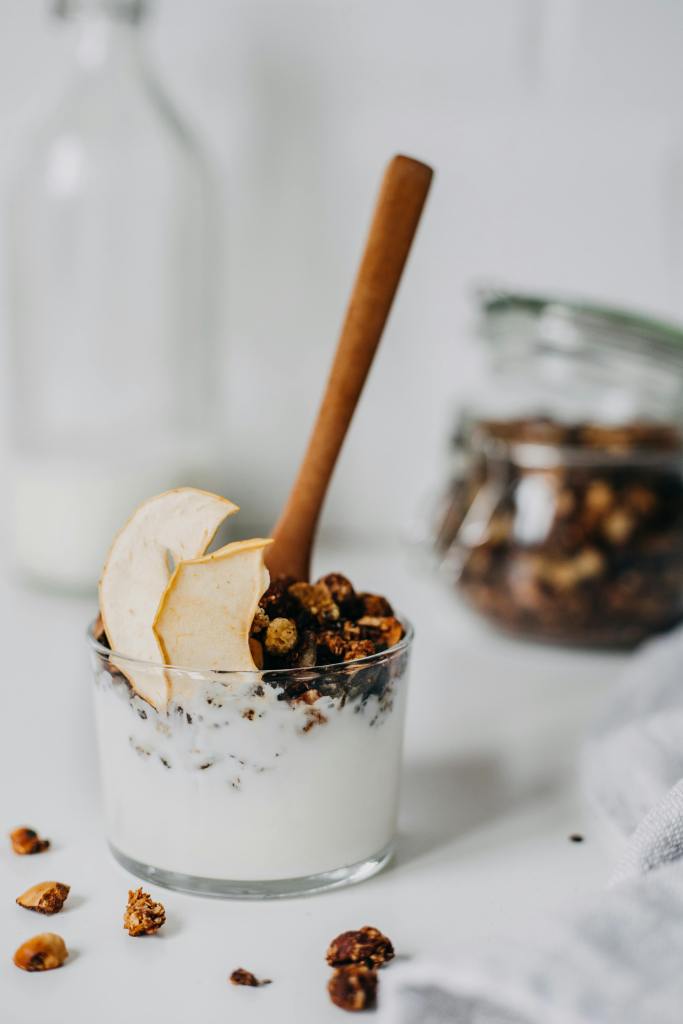
After a long day at work, you deserve a snack that’s comforting, nourishing, and easy to pull together. Enter: the Apple Cinnamon Yogurt Parfait — a five-minute fall treat that tastes like dessert but feels like a hug in a bowl.
It’s layered with crisp cinnamon-spiced apples, creamy Greek yogurt, and crunchy granola—giving you just the right balance of protein, fiber, and cozy fall flavor. No oven, no stress, just fall goodness in a cup.
🧡 Why You’ll Love It:
Quick to prep: Ready in under 10 minutes
Fall flavors: Think apple pie vibes, without the effort
Nutritious & satisfying: Full of protein, fiber, and natural sweetness
Customizable: Make it your own with toppings or dairy-free swaps
🍎 Ingredients (Serves 1–2):
1 apple (Honeycrisp or Fuji are great), diced
½ tsp cinnamon
1 tsp maple syrup or honey
1 tsp coconut oil or butter (optional, for sautéing)
¾ cup plain or vanilla Greek yogurt
¼ cup granola (your favorite brand or homemade)
Optional toppings: chopped nuts, chia seeds, extra drizzle of maple syrup
🍂 Quick Instructions:
Warm the apples (optional): In a small pan, heat coconut oil or butter over medium heat. Add diced apple, cinnamon, and maple syrup. Sauté for 3–4 minutes, until apples are soft and fragrant.
Assemble your parfait: In a glass or bowl, layer Greek yogurt, half the apples, and a sprinkle of granola. Repeat layers.
Top it off: Finish with a drizzle of maple syrup, chopped nuts, or extra cinnamon. Enjoy warm or chilled!
✨ Quick Tips:
Make it portable: Pack it in a mason jar for a post-workout or on-the-go evening snack.
Vegan option: Use coconut yogurt and maple syrup.
Add protein: Stir a little protein powder into the yogurt for extra fuel.
DID YOU ENJOY WHAT YOU JUST READ? IF YES, THEN SUBSCRIBE TO THE BLOG, GIVE THE POST A LIKE, OR LEAVE A COMMENT! NEW POSTS ARE UP EVERY TUESDAY & THURSDAY!