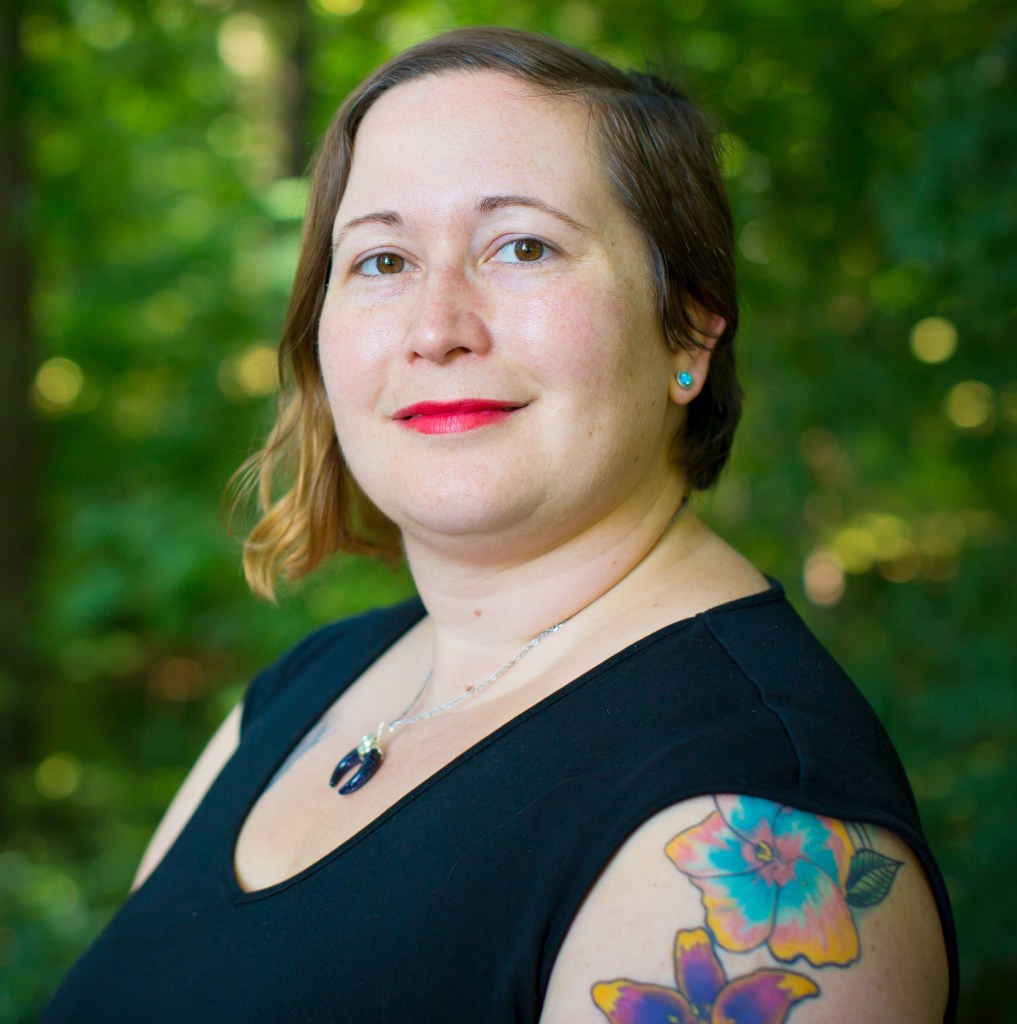
Women in Horror Interview Series: Rachel Bolton

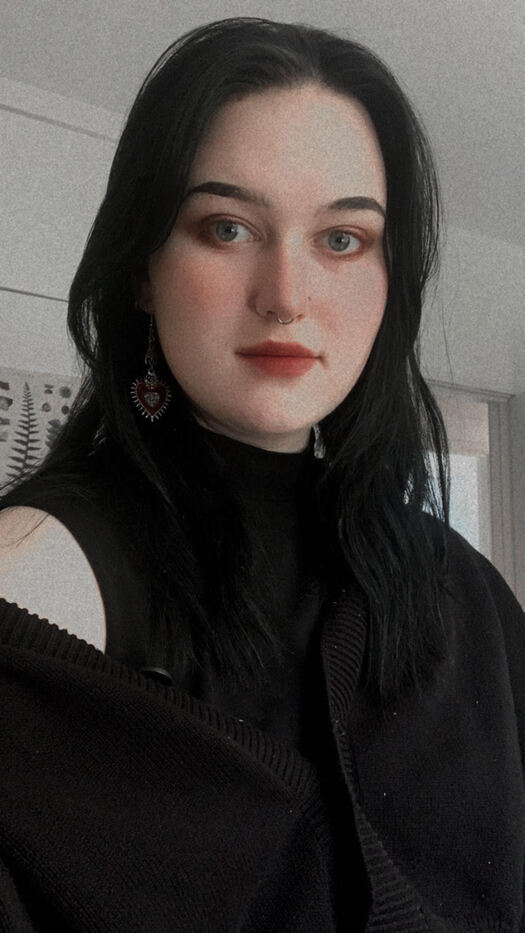
Bram Stoker Award–nominated horror author Rachel Bolton crafts chilling short stories that probe the powerful intersection of horror and feminism. Through unsettling atmospheres and sharp insight, she explores how fear, identity, and womanhood collide—revealing the darker truths that lurk beneath the surface.

Can you talk about your latest book or story and what readers might find appealing about it?

My latest story is “Moonglow,” it will be appearing in an anthology later this year. Protagonist Alice loves to lie and she is very good at it. She’s smugly faking a pregnancy at her workplace. Alice is terrible but she has become one of my most favorite characters. She has a great voice.

Did I mention “Moonglow” has some fun body horror?

What’s a book you can’t stop recommending?

I’m a bookseller, so I am constantly recommending books. I’m often suggesting Our Wives Under the Sea by Julia Armfield, Herculine by Grace Byron, The Echo Wife by Sarah Gailey, and White is for Witching by Helen Oyeyemi.

These are all very different books within the speculative/horror genre. Each one deeply affected me both as a reader and a writer. There were moments where I needed to pause to appreciate the writing, emotionally and stylistically.

Can you explain your writing process? What inspires you?

I am a believer in Octavia E. Butler’s advice on the importance of habit as a writer. This is the third year where I am tracking both my word count and editing time. This is both a boon and problem. I love that I can see how much I’ve gotten done, but then I am judgemental about the quantity of my work. I feel I never do enough.

I settle in at my computer, pop my headphones on, and get lost for a bit in the story. I consider myself a “Planster.” Outlines are helpful guides, but it’s good to let the characters and plot develop in ways you hadn’t expected. I’ve had characters override my storytelling choices a few times.

Is there a snack or drink that gets you into a writing mindset?

I love a hot cup of tea at my side. If I’m being honest, there are several empty seltzer cans on my desk right now.

Are there any horror tropes you especially love in books or films?

My two great horror subgenre loves are body horror and psychological horror. If they meet, all the better. A great example of that would be Rose Glass’ Saint Maud. The ending still haunts me. I’m a big fan of women with unusual desires, and Julia Ducorneau did that twice with Raw and Titane. Sisterly cannibalism and car fucking!

Above all, I appreciate writers who are willing to take an idea to extremes. Half measures don’t create good books or movies. A great literary example of that is Gretchen Felker-Martin’s Black Flame. That book is so damn good.

Who’s your favorite final girl?

My beloved Ellen Ripley. Sigourney Weaver looks so much like my mom! My mom would also kick some alien ass. I love Ripley for her drive to survive, her compassion, and how she doesn’t tolerate idiots. “They can bill me!”

Are you currently working on anything new?

I’m currently working on a novel about a woman whose wife gets absorbed into their home, now her body is their house. The wife is incredibly happy about this, the protagonist, privately, is not. Problems ensue. Body horror and psychological horror come together here. I’m having a lot of fun as I get to know these two ladies.

You can keep up with her writing at: https://rachelmbolton.wordpress.com

DID YOU ENJOY WHAT YOU JUST READ? IF YES, THEN SUBSCRIBE TO THE BLOG, GIVE THE POST A LIKE, OR LEAVE A COMMENT! NEW POSTS ARE UP EVERY TUESDAY & THURSDAY!
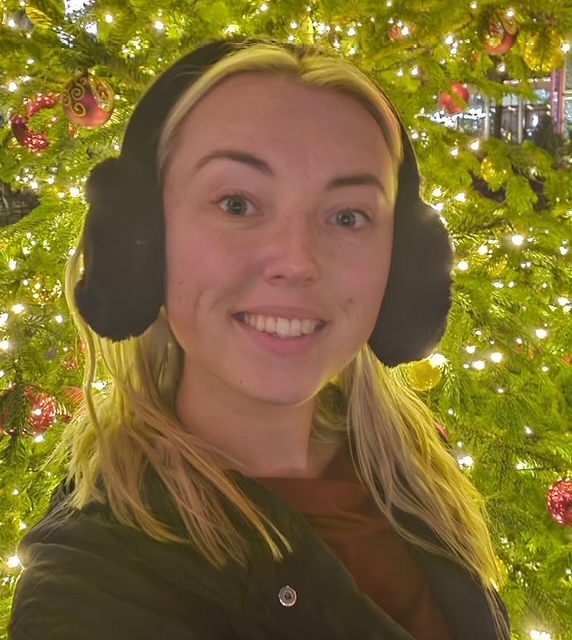
Women in Horror Interview Series: Claire L. Smith


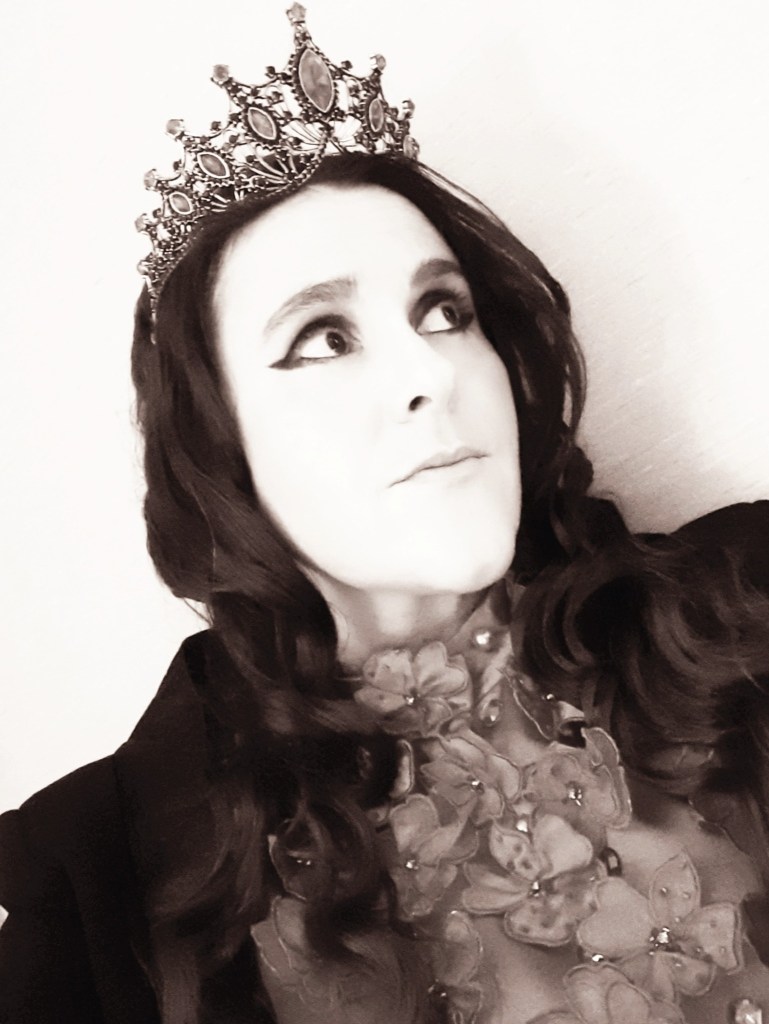
Claire L. Smith is a gothic author who delves into the haunting depths of love and life’s darker moments.

Can you talk about your latest book and what readers might find appealing about it?

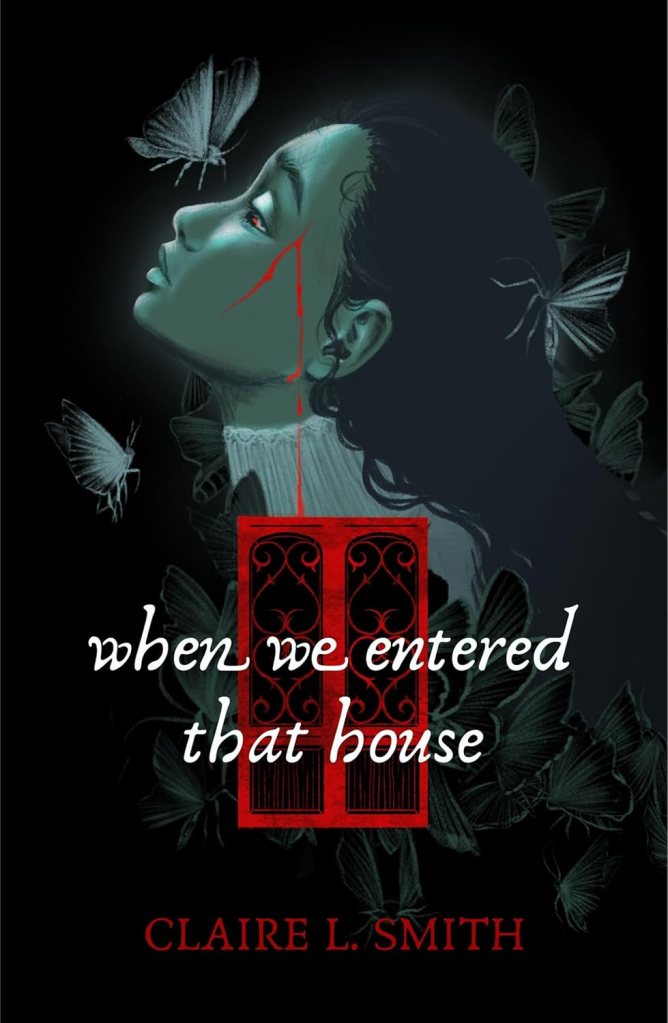
My most recent release is the rerelease of my YA horror novella, WHEN WE ENTERED THAT HOUSE. Lovers of haunted house stories, gothic horror and queer coming-of-age narratives will be all over this.

Here’s the back cover copy for those who are interested: Best friends Zoe and Elle share a secret. Every day after school, they sneak into the ominous woods surrounding their small town. The isolation of the remote wilderness shelters them from the chaos at home, but it also brings dangers of its own.

Something wicked watches the girls from a rotting Victorian mansion. Zoe and Elle will soon discover the mansion’s decaying walls hide centuries-old secrets and a family whose bloodline is stained with violence and insanity.

In order to escape, the girls’ friendship and inner strength will be tested. The house’s clutches are strong, and both friends will be caught in a struggle they may not be able to win.

What’s a book you can’t stop recommending?

I really loved Victorian Psycho by Virginia Feito. I’m such a sucker for the horrors of the Victorian Era and I loved how much of it was crammed into this little book. The narrative was also morbidly funny in the best possible way. It made the horrid things that the FMC does more enjoyable to read as she is the definition of chaotic. I struggle to recommend it though because it may understandably be a bit too much for a lot of people but I love it all the same.

Can you explain your writing process? What inspires you?

I’m a big planner. I like to have at least 50% of an outline done before I properly start writing. I normally intentionally leave the ending unplanned just because I usually come up with the best idea for the ending after I’ve spent a good amount of time with the story itself. Visuals are very inspiring to me, which is why I’m obsessed with making boards for my WIPs on Pinterest. It’s a great way to come up with ideas by looking at a cool photograph or peice of art and making up a story from what I see. 

Is there a snack or drink that gets you into a writing mindset?

I love herbal teas, matcha or chai lattes. Or when I’m feeling chaotic, a Monster Energy drink (Aussie Lemonade Flavor).

Are there any horror tropes you especially love in books or films?

I really love when the setting/scenery becomes a character or at the very least important to the plot. I love settings that feel alive in their own way, like they could work with or against the MC.

Who’s your favorite final girl?

I loved Joey (Melissa Barrera) in Abigail (2024). I don’t think she’s talked about enough as her character is very complex, flawed but also likable. I love characters in horror movies who go in being flawed and/or afraid of something other than the monster chasing them but by the end, they survive and get a new lease on life (even if they got it the hard way haha).

Are you currently working on anything new?

I’m currently working on an Australian Gothic novel based in the Blue Mountains (NSW). It’s taking a bit longer to outline than expected so I’m also working on a fantasy / horror book loosely inspired by Slavic folklore that I’m hoping to make into a trilogy.

DID YOU ENJOY WHAT YOU JUST READ? IF YES, THEN SUBSCRIBE TO THE BLOG, GIVE THE POST A LIKE, OR LEAVE A COMMENT! NEW POSTS ARE UP EVERY TUESDAY & THURSDAY!

Women in Horror Interview Series: Holly Knightley

Holly Knightley is a compelling horror writer, known for crafting dark, gripping tales that always deliver unexpected, sinister twists.

Can you talk about your latest book and what readers might find appealing about it?

My short story, Piggy, just came out on Feb 15th! It was an average day when Alley Faye found a five-dollar bill on the ground with a message: Here piggy, piggy, piggy. Greed is a sin, and you just let me in. This quick 38-page read will keep readers on their toes until the last page. This story has true crime vibes with a stalker who has a thing for the story of ‘The Three Little Pigs.’

What’s a book you can’t stop recommending?

We are talking women in horror, and I would be remiss not to say ‘Frankenstein’ by Mary Shelley. It is one of my favorite books, if not my favorite. Shelley explores themes of morality while giving her readers one amazing monster story where who is the ‘real’ monster is always in question. There is a reason this story still haunts readers today, it is simply brilliant.

Can you explain your writing process? What inspires you?

Most of my stories are inspired by my real-life experiences or moments that have made me pause. You know, that feeling that you get when something unsettles you? I explore why things make me feel the way I do, often using the supernatural to tell the story. My process usually goes the same. Something makes me pause to think and my brain whispers the story to me. If I have the time, I will outline the entire story the moment it pops into my head. If not, I will at least get down the vibe and characters and come back to it later.

Is there a snack or drink that gets you into a writing mindset?

Coke Zero. I am totally addicted to it and can’t start my day without it. I have a can in the morning, sometimes two—that’s when I know it’s going to be a good writing day.

Are there any horror tropes you especially love in books or films?

I love the haunted house trope. Nothing scares me more than a haunted house. When I was a child, I always thought: Just leave. As an adult, I realize you can’t just leave, which has made this trope and genre scarier for me. Throw in an unreliable narrator and buried secrets, and I’m hooked.

Who’s your favorite final girl?

This is a hard question, there are so many great final girls, but I am going with Ellen Ripley, Sigourney Weaver’s character from ‘Alien’. She’s badass and hot as Hell.

Are you currently working on anything new?

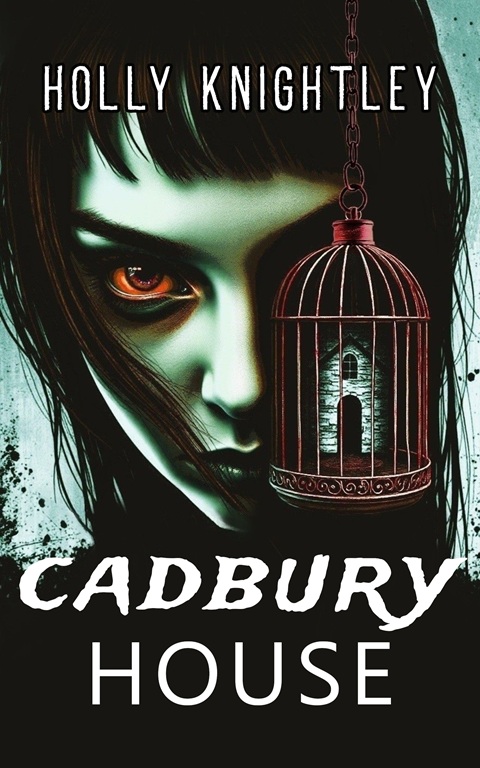
Yes, I have a new haunted house mystery thriller coming out July 16th entitled Cadbury House. This is such a fun mashup between the haunted house trope and haunted object trope. The story is pure chaos, in the very best way, and I can’t wait for it to be read!

You can keep up with her writing at: https://hollyknightley.com/

DID YOU ENJOY WHAT YOU JUST READ? IF YES, THEN SUBSCRIBE TO THE BLOG, GIVE THE POST A LIKE, OR LEAVE A COMMENT! NEW POSTS ARE UP EVERY TUESDAY & THURSDAY!
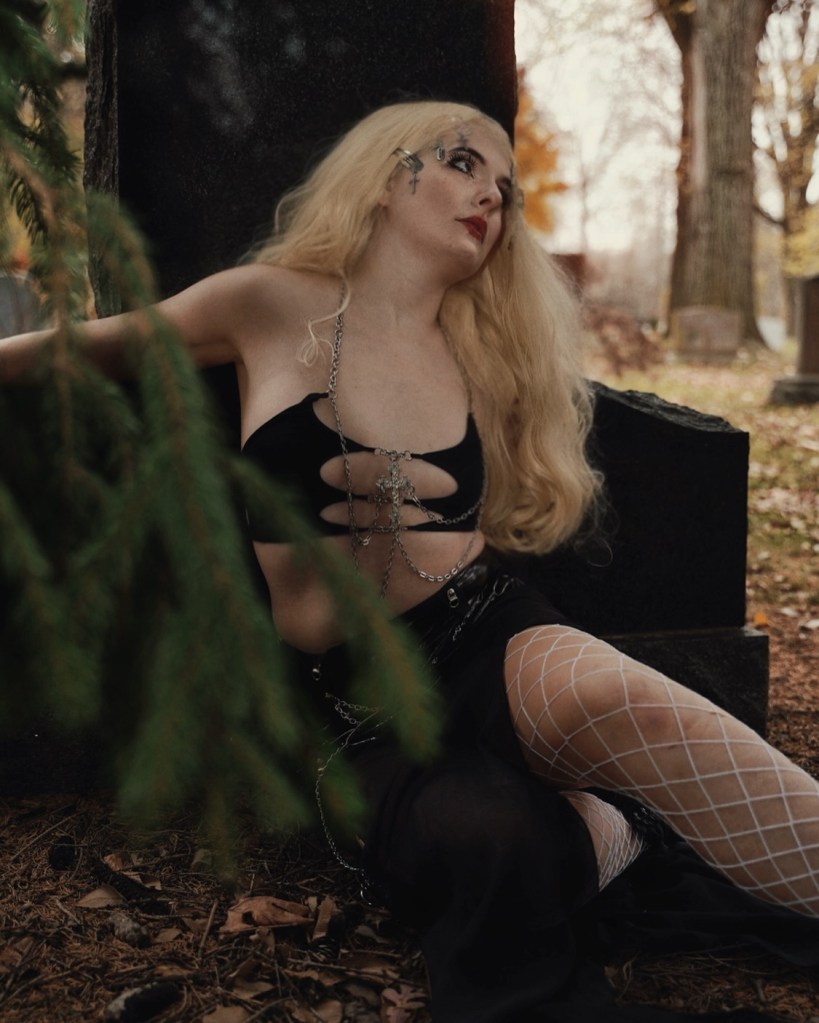
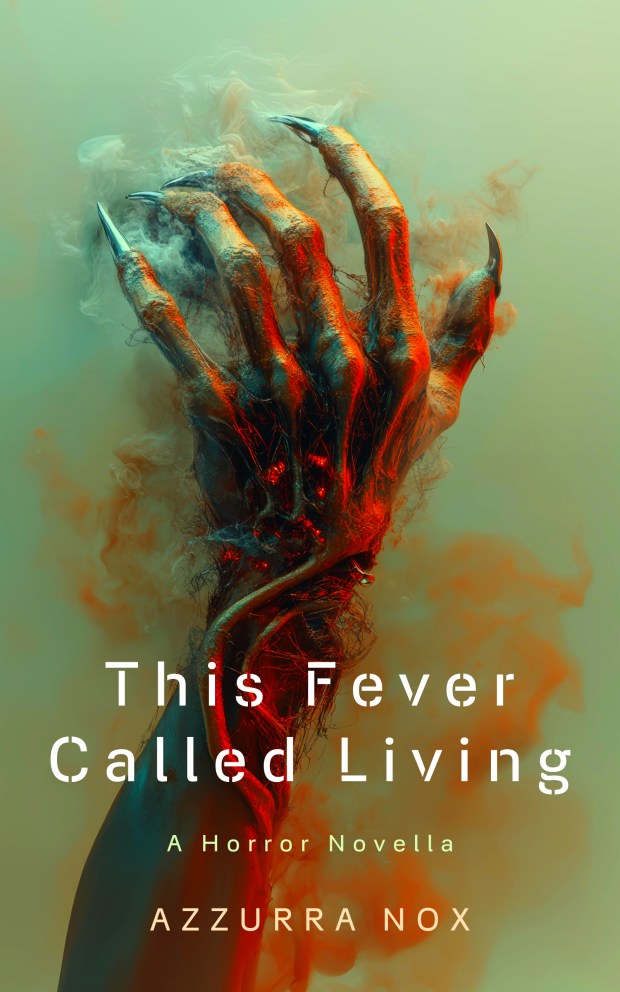
Behind the Scenes: This Fever Called Living

Juliette’s isolation is drawn from my own sense of disconnect as a teenager living in Sicily. Early readers of This Fever Called Living have noted how jarring it feels to encounter modern technology in a setting that seems steeped in history. The truth is, living in Sicily felt just as contradictory. You had modern conveniences like cell phones and the internet, but step outside, and you were surrounded by ancient ruins. Every town seemed like a remnant of whichever empire had once claimed it. This jarring mix was intentional, just as the repetition is. I often find certain phrases looping in my mind, or a song on repeat for hours. Repetition becomes a kind of self-soothing mechanism, a way of coping with the noise of the world.

The passage of time in the novella is intentionally ambiguous. In the present, everything unfolds between January and February, stretching into early March. The past, however, is set in the summer of 1998. As a teenager, time moved in strange ways—winters felt endless, while summers seemed to slip by in a blink. Time itself felt hazy and distorted, and I wanted to capture that sense of unraveling in Juliette’s journey.

This Fever Called Living is a fever dream drenched in tragedy.

The novella comes out March 3.

The Plot Summary:

A dark retelling/mashup of Carmilla and The Fall of the House of Usher.

Palermo, Sicily 1999.

Juliette suffers from a rare illness that keeps her hidden from the sun. Her winter days at Villa Astrid are filled with isolation and gnawing hunger, haunted by fragmented memories of a summer she can’t quite piece together.

Then Elenoire arrives.

Mysterious and magnetic, Elenoire captivates Juliette in a way that’s both thrilling and terrifying. There’s something dangerous about her, something Juliette can’t name. She knows she should keep her distance, yet all she can think about is kissing her.

Meanwhile, young women are turning up dead across Palermo. Whispers of a serial killer spread through the city, but Juliette suspects that something darker is at play. Something not entirely human.

You can pre-order the book HERE.

DID YOU ENJOY WHAT YOU JUST READ? IF YES, THEN SUBSCRIBE TO THE BLOG, GIVE THE POST A LIKE, OR LEAVE A COMMENT! NEW POSTS ARE UP EVERY TUESDAY & THURSDAY!
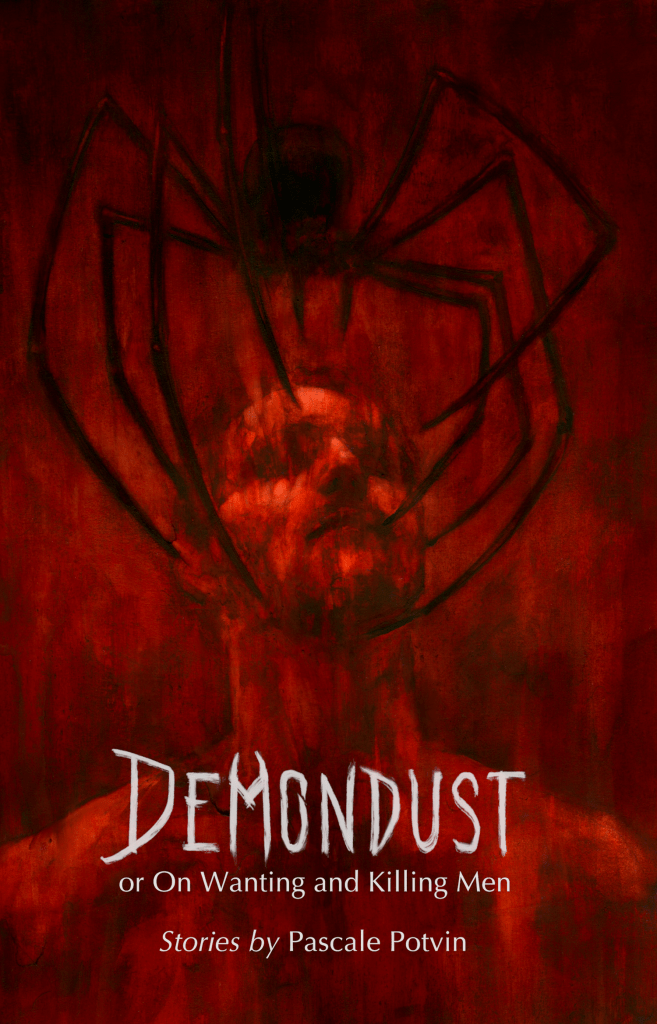
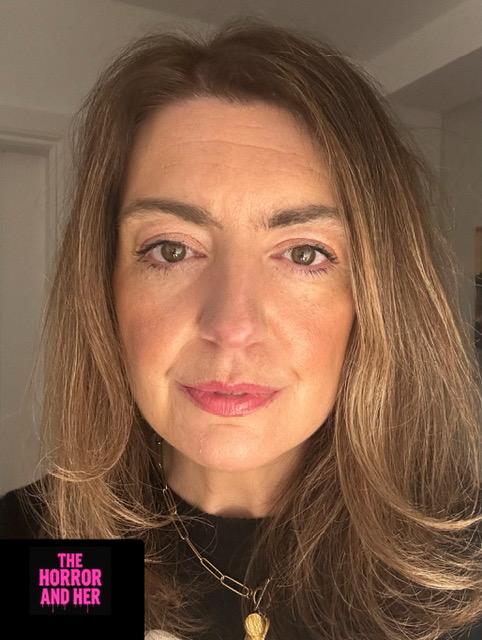
Interview with Emma Arneil Podcaster of The Horror and Her

Emma Arneil’s The Horror and Her podcast delves into the horror genre and pop culture with a focus on the the representation of women and non binary voices in the genre. She often brings a feminist perspective to the discussion and with her guests tries to explore what horror means to them on a personal level.

Can you talk about your podcast and how it differs from others that are out there?

My podcast The Horror and Her is a podcast that celebrates women, femme and non binary voices in horror. Each episode begins with my guest’s horror origin story, the film that made them first fall in love with the genre. From there we chat about how their relationship with horror has evolved through their life. What makes the show different is that we do not just talk about films we love; we talk about what horror says about power, identity and how this genre can be so personal and transformative and for so many of us, lifesaving.

Whats a book and film you can’t stop recommending?

I have just recently finished Scream with Me – Horror Films and the rise of American Feminism (1968-1980) by Eleanor Johnson and found it such a powerful and insightful read. Johnson links horror classics from the 60s to the 80s and how it was linked to second wave feminism with a real focus on reproductive rights, domestic and patriarchal violence and the war on women’s bodies.

A film I always recommend to anyone asking me for a horror recommendation is John Carpenter’s Halloween. A masterclass in atmosphere and tension and still holds up 47 years later. I could also listen to the soundtrack on repeat forever.

Can you explain how you choose what you decide to talk about on your podcast?

The podcast always starts with a conversation about the film that first sparked something for the guest and what the film says about power and identity.  From there we explore the themes of the film through a feminist lens. Even when we return to films that have been discussed before, each guest brings a new perspective. I love that so much! That the same texts can be constantly reframed and through different women experiences.

Is there a specific drink you like sipping on during your podcast?

I would love to say that I ensure that I am always hydrated and only drink water. Sadly, its nearly always Coke Zero!

Are there any horror tropes you especially love in books or films?

My favourite trope is a final girl but a final girl who is flawed and complex. A final girl who rescues herself and pulls herself out of whatever horror she finds herself in.

Who’s your favourite final girl?

My favourite final girl is Nancy Thompson from Nightmare on Elm Street, she is, for me, the ultimate final girl…a great friend, resourceful and brave as hell!


You can check out The Horror and Her podcast here: https://open.spotify.com/show/6QBrXRe8ElJDR4Zkw2Xims?si=VN6uCYilS8-kgB5RQ0WnMg&nd=1&dlsi=445e907dd3ee47c9

DID YOU ENJOY WHAT YOU JUST READ? IF YES, THEN SUBSCRIBE TO THE BLOG, GIVE THE POST A LIKE, OR LEAVE A COMMENT! NEW POSTS ARE UP EVERY TUESDAY & THURSDAY!
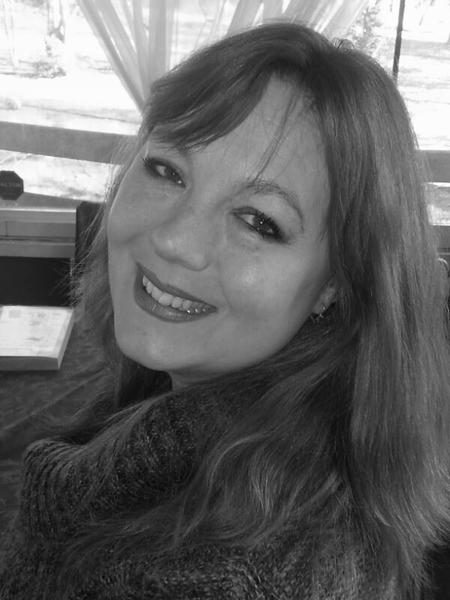
Interview with Viggy Parr Hampton

Viggy Parr Hampton has carved out a prominent place in the horror world. With her spine-chilling books and the popular podcast Horror Humor Hunger, she’s become a go-to expert on everything from horror history to the darkest, most unsettling facts. Now, with her latest release, A Veritable Household Pet, she’s ready to haunt our nightmares in a whole new way.

Can you talk about your latest book and what readers might find appealing about it?

My latest book, A Veritable Household Pet, is horror of a different stripe than usual. Darla Gregory receives a transorbital lobotomy at the age of eleven, and she is never the same. The book follows her life in the aftermath of the surgery, as well as the life of her older sister Ellie, who acts as her caretaker and the reluctant scribe for her story, injecting her views where relevant. A Veritable Household Pet explores a suite of very real terrors, rooted in true history: medical malpractice, family trauma, toxic relationships, mental illness, caregiver fatigue, misogyny, the loss of autonomy and identity, and so much more. It’s my favorite book yet, because it will make readers feel for the characters incredibly deeply.

You always do so much research for your books, what’s something you found out when researching that was surprising or horrifying?

One of the most horrifying pieces of information I came across directly inspired the title of the book. While doing my research on lobotomies, I kept finding before and after photos of patients. In the before photos, the patients would invariably look unkempt and unwell, and in the after photos, while they looked well-groomed and might even be smiling, their eyes looked completely vacant. One such before and after photo even had a caption that said the post-lobotomy patient was ‘a veritable household pet.’ The way these patients were treated as infantilized, docile creatures is both heartbreaking and horrifying in equal measure.

What’s a book you can’t stop recommending?

My Lobotomy by Howard Dully is the memoir of a man who received a lobotomy at the age of 12. It was a pivotal source for my research, but it’s also one of the most fascinating books I’ve ever read in its own right. I will never stop recommending this one!

Can you explain your writing process? What inspires you?

Every time I sit down to start a new novel, I think: Wait a minute, what am I doing? Every novel feels like its own microcosm, but here’s my general process. First, I spend a few months (or even longer) letting the ideas build up and marinate. I keep a notebook with bits and pieces of ideas, and when those ideas start to outgrow the pages, I move them to a document in my writing processor of choice, Scrivener. Then, I make note of any research I’ll need to do—books to read, movies to watch, podcasts to listen to, etc. After I’ve done enough research that I feel ready—or, if the characters start knocking on the proverbial door too hard, whichever comes first—I’ll start writing. I’ve been a plotter in the past, but now I’m a certified pantser.

In terms of inspiration, I pull things from everywhere—articles I’ve read, stories I’ve heard, history I’ve researched, places I’ve been. All of my books have some thread of truth or history running through them, which I think makes them that much punchier.

Is there a snack or drink that gets you into a writing mindset?

Lately I’ve been really loving having a cup of hot green tea next to me. It’s relaxing, and it helps signal my brain that it’s time to get down to business.

Are there any horror tropes you especially love in books or films?

I love two things: an unreliable, complicated narrator and an unhappy ending! It’s horror, after all—I don’t want to come away from it smiling!

Are you currently working on anything new?


My fifth novel, Ripped Up the Middle in Two, will publish in late July, and I’m currently getting that one in shape. It’s a creature feature motherhood horror about a postpartum mom who thinks there’s an evil fairy in the woods that wants to steal her baby. I’m also about to start work on my sixth novel, which will be a time travel-spin on the haunted house story.

A Veritable Household Pet is now available at Amazon and Barnes and Noble websites.

You can keep up with her writing at: https://viggyhampton.com/

DID YOU ENJOY WHAT YOU JUST READ? IF YES, THEN SUBSCRIBE TO THE BLOG, GIVE THE POST A LIKE, OR LEAVE A COMMENT! NEW POSTS ARE UP EVERY TUESDAY & THURSDAY!
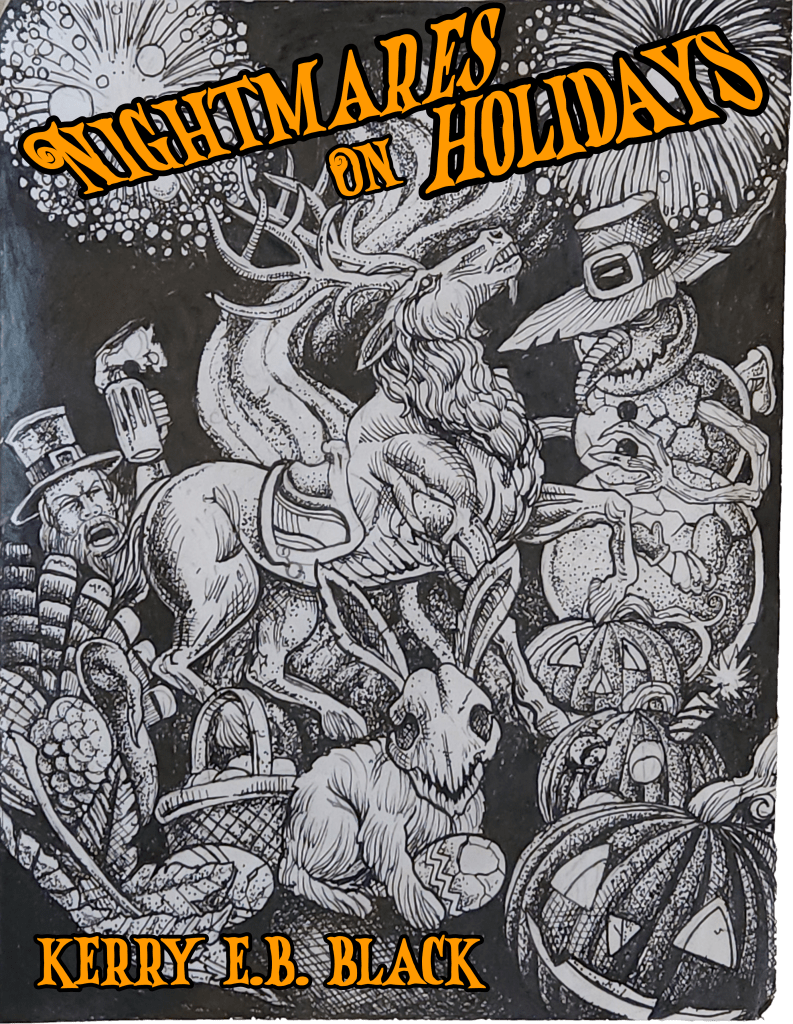
An Easy Valentine’s Day Snack That’s Almost Too Cute to Eat 💘

(Almost.)

Valentine’s Day snacks should be three things: adorable, delicious, and easy enough that you don’t need a full game plan to pull them off. Whether you’re hosting a Galentine’s night, planning a cozy date in, or just want something sweet while watching rom-coms in pajamas, this Valentine’s Day–inspired snack checks all the boxes.

Introducing: Chocolate-Covered Strawberry Yogurt Bites—aka little bites of love.


Chocolate-Covered Strawberry Yogurt Bites 🍓🍫

You’ll need:

  • Fresh strawberries, chopped
  • Vanilla Greek yogurt (or strawberry for extra pink vibes)
  • Semi-sweet or dark chocolate chips
  • Optional toppings: sprinkles, crushed freeze-dried strawberries, flaky sea salt

How to Make Them (So Easy It’s Basically Foolproof)

  1. Line a baking sheet with parchment paper.
  2. Mix chopped strawberries with yogurt in a bowl.
  3. Spoon small dollops onto the baking sheet (heart shapes encouraged but not required).
  4. Freeze for 1–2 hours until firm.
  5. Melt chocolate in the microwave in 20-second intervals.
  6. Dip or drizzle the frozen bites with chocolate.
  7. Add toppings while the chocolate is still melty.
  8. Freeze again for 10–15 minutes until set.

That’s it. You’re done. You’re impressive.


Why You’ll Love These

  • They’re sweet but not too sweet
  • Perfect bite-sized snacks for sharing (or not)
  • Festive without being over-the-top
  • Feel slightly “healthy,” which totally balances out the chocolate 😉

Make Them Extra Cute 💖

  • Use white chocolate and swirl in pink food coloring
  • Add heart-shaped sprinkles for peak Valentine energy
  • Serve them in a cute bowl with a note that says “Made with love”

Valentine’s Day doesn’t need to be complicated to be special. Sometimes all it takes is a simple snack, a cozy vibe, and something chocolatey in your freezer. 💘✨

DID YOU ENJOY WHAT YOU JUST READ? IF YES, THEN SUBSCRIBE TO THE BLOG, GIVE THE POST A LIKE, OR LEAVE A COMMENT! NEW POSTS ARE UP EVERY TUESDAY & THURSDAY!
How to Outsmart Seasonal Depression (Before It Steals Your Snacks)

Ah yes, seasonal depression—also known as That Time of Year When the Sun Disappears and So Does My Motivation. The days get shorter, the weather gets colder, and suddenly even basic tasks feel like heroic quests. If you find yourself wanting to hibernate until spring, you’re not alone.

The good news? While we can’t control the seasons, we can stack the odds in our favor. Here are some realistic, mood-boosting ways to help keep seasonal depression from running the show—no toxic positivity required.


1. Chase the Sun (or at Least Pretend)

When daylight is scarce, your brain notices—and it’s not thrilled about it. Try to get outside during daylight hours, even if it’s cloudy or cold. A quick walk, standing by a window, or dramatically staring at the sky like a Victorian poet all count.

If sunlight is truly in short supply, a light therapy lamp can help. Think of it as a tiny artificial sun that doesn’t burn your skin or judge your life choices.


2. Move Your Body (Gently, We’re Not Training for the Olympics)

Exercise helps boost mood, but let’s be clear: this does not mean you suddenly need to become a “winter fitness person.” Stretching, dancing in your kitchen, walking, or doing ten squats while waiting for your coffee to brew all qualify.

The goal is movement, not suffering.


3. Stick to a Routine (But Make It Cozy)

Seasonal depression loves chaos. Your brain, however, thrives on predictability. Try to keep regular sleep and wake times—even on weekends—so your internal clock doesn’t completely lose the plot.

Bonus points if your routine includes something cozy and enjoyable, like a nightly cup of tea, a favorite show, or aggressively comfortable pajamas.


4. Eat Foods That Love You Back

No, you don’t have to give up carbs (and anyone who suggests that should be ignored immediately). But try to balance comfort foods with meals that actually fuel you—think protein, fruits, veggies, and foods rich in vitamin D and omega-3s.

And yes, chocolate still counts as emotional support.


5. Stay Social (Even When You’d Rather Become a Hermit)

Seasonal depression often makes us want to cancel all plans and live exclusively with our blankets. While rest is important, total isolation usually makes things worse.

Low-effort connection counts: texting a friend, sending memes, or chatting with someone while running errands. You don’t need to host a dinner party—just remind your brain that humans exist and some of them are nice.


6. Lower the Bar (Seriously, Put It on the Floor)

Winter is not the time for reinventing yourself. It’s okay if you’re less productive, less energetic, or less enthusiastic than usual. You’re not failing—you’re responding to biology and weather.

Focus on small wins. Showered today? Win. Answered one email? Win. Didn’t scream into the void? Major win.


7. Ask for Backup When You Need It

If seasonal depression starts feeling heavy, persistent, or overwhelming, it’s important to talk to a professional. Therapy, medication, or both can be incredibly helpful—and needing support doesn’t mean you’re weak. It means you’re human.

Think of it as assembling your personal mental health Avengers.


Final Thoughts

Seasonal depression can be sneaky, stubborn, and downright rude—but it doesn’t get to define your entire winter. With a mix of light, movement, connection, kindness (especially toward yourself), and maybe an unreasonable number of blankets, you can get through the season with your sanity mostly intact.

Spring will come. Until then, do your best—and don’t forget to drink some water. 🌤️

DID YOU ENJOY WHAT YOU JUST READ? IF YES, THEN SUBSCRIBE TO THE BLOG, GIVE THE POST A LIKE, OR LEAVE A COMMENT! NEW POSTS ARE UP EVERY TUESDAY & THURSDAY!
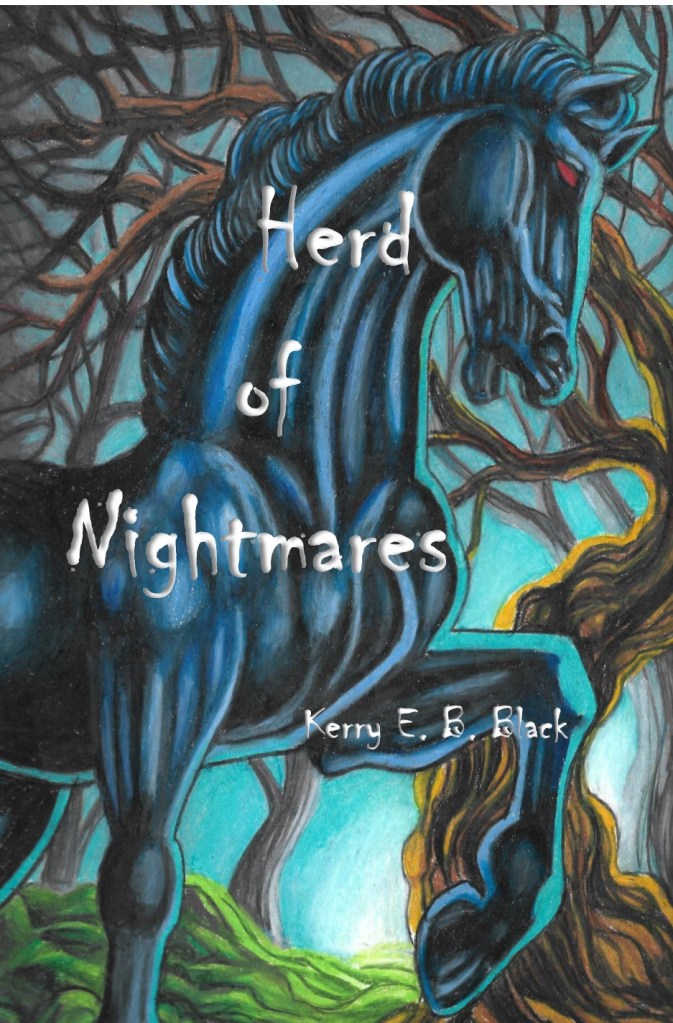
Book Review: Hemlock and Silver by T. Kingfisher

PLOT SUMMARY:

Healer Anja regularly drinks poison.

Not to die, but to save—seeking cures for those everyone else has given up on.

But a summons from the King interrupts her quiet, herb-obsessed life. His daughter, Snow, is dying, and he hopes Anja’s unorthodox methods can save her.

Aided by a taciturn guard, a narcissistic cat, and a passion for the scientific method, Anja rushes to treat Snow, but nothing seems to work. That is, until she finds a secret world, hidden inside a magic mirror. This dark realm may hold the key to what is making Snow sick.

Or it might be the thing that kills them all.

GRADE: C

REVIEW:

I’m not usually a fan of fantasy, but I’ve enjoyed every T. Kingfisher book I’ve read so far, so I decided to give this one a try. It also helped that it was marketed as a Snow White retelling—and I’m a total sucker for fairytale retellings.

The good:
Some readers felt the protagonist, Anja, had too much internal monologue, but I didn’t mind it at all. I found her engaging, and it never felt annoying to me. I also absolutely loved the character of Grayling, who easily became a standout.

The not-so-good:
Action-wise, it felt like not much really happened. The mystery surrounding the king’s daughter’s illness wasn’t especially compelling, and I couldn’t help feeling there was a lot of missed potential—particularly when it came to the mirror realm, which could have been explored much more deeply.

Overall:
I really enjoyed Jennifer Pickens’ narration of the audiobook, and I think her performance helped make the story feel more engaging than it might have otherwise. Still, from a plot standpoint, the book didn’t quite live up to my expectations.

*Thank you so much to NetGalley & MacMillan Audio for the audiobook copy of this book in exchange for an honest review!

DID YOU ENJOY WHAT YOU JUST READ? IF YES, THEN SUBSCRIBE TO THE BLOG, GIVE THE POST A LIKE, OR LEAVE A COMMENT! NEW POSTS ARE UP EVERY TUESDAY & THURSDAY!
How to Start a TBR Book Cart (and Make It Actually Fun)

If your “to be read” pile is slowly taking over your nightstand, desk, and every flat surface in your home, it might be time for a TBR book cart. Not only is it a practical way to organize your next reads, but it also turns your books into a little reading experience—one that feels intentional, aesthetic, and motivating instead of overwhelming.

Here’s how to start a TBR book cart and make it something you’re excited to use.

1. Choose Your Cart (Style Over Perfection)

First things first: you need a cart. A three-tier rolling cart is the classic choice, but anything with shelves works—bar carts, small bookcases, or even a sturdy crate setup. Don’t stress about finding the “perfect” one. The goal is function and fun, not Pinterest pressure.

Pick something that fits your space and your vibe. Minimalist? Go neutral. Maximalist reader? Bright colors, please.

2. Curate, Don’t Overload

The secret to a successful TBR cart is curation. Instead of dumping every unread book you own onto it, choose a manageable number you’re genuinely excited about. Think of your cart as your current reading season, not your entire backlog.

A good rule of thumb:

  • 5–10 novels
  • 1–2 non-fiction books
  • 1 “mood read” wildcard

This keeps your cart inspiring rather than intimidating.

3. Organize by Vibes

This is where the fun really starts. Instead of organizing by author or genre, try organizing by mood:

  • Cozy reads
  • Dark academia
  • Short and fast-paced
  • Emotional damage (you know the ones)

You can also dedicate each tier to a theme or reading goal. It turns choosing your next book into a mini ritual instead of a stressful decision.

4. Add Bookish Extras

Your TBR cart doesn’t have to be just books. Make it a reading station by adding:

  • Bookmarks
  • Highlighters or tabs
  • A reading journal or notebook
  • Cozy socks or a small candle (unlit, of course)

These little touches make the cart feel personal and encourage you to actually pick up a book.

5. Rotate Regularly

To keep things fresh, rotate your cart every month or season. Swap out books you’re no longer in the mood for and add new ones you’re excited about. This helps prevent reading slumps and gives you permission to DNF or postpone books without guilt.

Your TBR is not a chore—it’s a menu.

6. Make It a Reading Ritual

Finally, turn your TBR cart into part of your reading routine. When you finish a book, choose the next one from the cart. When you’re feeling stuck, browse it like you’re in your own tiny bookstore.

The more intentional you make it, the more fun reading becomes.


A TBR book cart isn’t about reading faster or conquering your backlog—it’s about creating a space that celebrates your love of books. Make it cozy. Make it chaotic. Make it yours. 📚✨

DID YOU ENJOY WHAT YOU JUST READ? IF YES, THEN SUBSCRIBE TO THE BLOG, GIVE THE POST A LIKE, OR LEAVE A COMMENT! NEW POSTS ARE UP EVERY TUESDAY & THURSDAY!