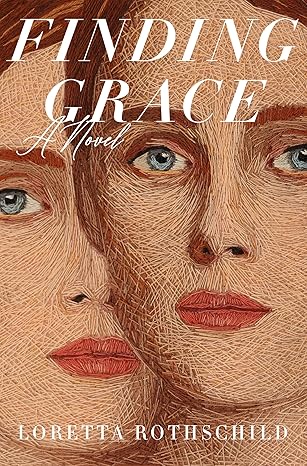
Honor seems to have everything: she adores her bright and beautiful daughter, Chloe, and her charming, handsome husband, Tom, even if he works one hundred hours a week. Yet Honor’s longing for another baby threatens to eclipse all of it―until a shocking event changes their lives forever.
Years later, Tom makes a decision that ripples through their families’ lives in ways he could never have foreseen. As the consequences of that fateful choice unfold, two women’s paths become irrevocably intertwined. But when old love clashes with new, who will be left standing? And what happens when your secrets come back to haunt you?
Blending a page-turning moral dilemma with satisfying emotional poignancy, Finding Grace is a sweeping love story that explores the price of a new beginning, how the ghosts of our past shape our future, and whether redemption can be found in the wreckage of what we’ve lost.
GRADE: B-
REVIEW:
Loretta Rothschild’s debut novel opens with a gripping, almost cinematic first chapter that immediately pulls the reader into the heart of chaos. A tragic accident, a mysterious letter, and a haunting revelation promise a story charged with emotion and suspense. Rothschild demonstrates a strong command of atmosphere and intrigue in the opening pages, leaving readers eager to unravel the threads of the protagonist’s troubled past.
Unfortunately, that momentum doesn’t carry through the rest of the novel. As the chapters unfold, the story loses its intensity, gradually slipping into a meandering pace. What begins as a compelling mystery fades into a slow-moving narrative filled with underdeveloped plotlines and repetitive introspection. The characters, especially Grace herself, become increasingly difficult to connect with often making choices that feel inconsistent or frustratingly opaque. Secondary characters are similarly underwhelming, lacking depth or relatability.
While Rothschild clearly has a talent for setting the stage, Finding Grace ultimately fails to deliver on the promise of its opening. The emotional resonance and urgency of the first chapter dwindle as the book progresses, leaving a sense of disappointment. For readers who crave character-driven stories with a strong, sustained arc, this novel may not fully satisfy.
*Thank you so much to NetGalley & Macmillan Audio for the audiobook copy of this book in exchange for an honest review!
DID YOU ENJOY WHAT YOU JUST READ? IF YES, THEN SUBSCRIBE TO THE BLOG, GIVE THE POST A LIKE, OR LEAVE A COMMENT! NEW POSTS ARE UP EVERY TUESDAY & THURSDAY!
Watching Black horror on Juneteenth is a powerful way to celebrate Black creativity, resilience, and storytelling. These films explore cultural fears, history, and identity through a unique lens, turning horror into a platform for reflection and empowerment. From social commentary to genre-bending thrills, Black horror challenges stereotypes while honoring the Black experience—making it both entertaining and meaningful.
SINNERS
Sinners delivers gripping drama, dark secrets, and moral twists that keep you hooked. With complex characters and intense storytelling, it’s a must-watch for fans of psychological thrillers and suspense.
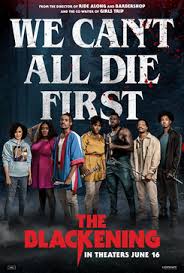
THE BLACKENING
The Blackening blends sharp satire with horror-comedy, hilariously flipping horror tropes while exploring Black culture. It’s clever, socially aware, and full of surprises—perfect for fans of genre mashups!
NOPE
Nope is a bold, genre-defying thriller from Jordan Peele, blending sci-fi, horror, and social commentary. It’s visually stunning, thought-provoking, and full of suspenseful, unforgettable moments. Don’t miss it!
DID YOU ENJOY WHAT YOU JUST READ? IF YES, THEN SUBSCRIBE TO THE BLOG, GIVE THE POST A LIKE, OR LEAVE A COMMENT! NEW POSTS ARE UP EVERY TUESDAY & THURSDAY!
We’ve all been there—your alarm goes off, you groan, hit snooze maybe twice, and suddenly your morning feels more like a scramble than a start. But here’s a little secret: you only need ten minutes to turn it all around. No magic potion, no complicated routine—just a few simple steps that’ll leave you feeling more like a superhero than a sleepyhead.
Here’s your super quick, feel-good morning pick-me-up:
1. Hydrate Like a Champ (1 min) Before anything else, grab a big glass of water. Bonus points if you add lemon. Your body’s been without hydration all night—it’s basically a plant that needs watering. Trust me, it makes a difference.
2. Move That Body (4 mins) Not a full workout. Think mini dance party, a few yoga stretches, or a quick power walk around the house. Get your blood pumping and shake off that grogginess. Beyoncé playlist optional, but highly encouraged.
3. Breathe In Some Calm (3 mins) Sit still for a second—yes, even if you’re running late. Close your eyes and take a few deep, slow breaths. It’s a little reset button for your brain. Inhale confidence, exhale “I can’t even.”
4. Fuel Up Fast (2 mins) Grab a banana, a handful of nuts, or a spoonful of nut butter—something with a little protein and natural sugar to wake up your body and brain. Coffee’s great, but real fuel is better.
And boom—ten minutes, and you’re out the door (or onto Zoom) feeling like the energized version of yourself. Quick. Easy. Actually doable. You got this. 💪✨
DID YOU ENJOY WHAT YOU JUST READ? IF YES, THEN SUBSCRIBE TO THE BLOG, GIVE THE POST A LIKE, OR LEAVE A COMMENT! NEW POSTS ARE UP EVERY TUESDAY & THURSDAY!
Let’s be real, when the temps start creeping into the 80s and 90s, the last thing any of us want to do is turn on the oven. Summer is salad season, and I’m not talking about a sad little pile of lettuce. I mean crisp, colorful, flavor-packed bowls that feel just as satisfying as any hot meal. Whether you’re meal-prepping, picnic-packing, or just trying to beat the heat, here are three of my favorite summer salads that are light, refreshing, and never boring.
1. Watermelon, Feta & Mint Salad (aka Summer in a Bowl) Sweet, salty, tangy, and ridiculously easy. Cube some juicy watermelon, crumble in some feta, toss in fresh mint leaves, and drizzle with a splash of lime juice or balsamic glaze. It’s fresh, bright, and perfect for cookouts or just eating straight from the bowl while hiding from the sun.
2. Chickpea, Cucumber & Herb Salad This one’s protein-packed, crunchy, and super satisfying. Combine canned chickpeas (rinsed), chopped cucumber, red onion, cherry tomatoes, and lots of fresh parsley and dill. Dress it up with olive oil, lemon juice, salt, and pepper. Bonus: it holds up really well in the fridge.
3. Thai-Inspired Peanut Noodle Salad Feeling something a little more filling? Cold rice noodles + shredded carrots, red cabbage, bell pepper, and cilantro tossed in a creamy peanut-lime dressing. Add grilled chicken or tofu if you want to bulk it up. It’s sweet, spicy, and totally crave-worthy.
So there you have it—three salads that’ll help you stay cool without sacrificing flavor. No stove, no stress, just pure summer goodness. 🥗✨
DID YOU ENJOY WHAT YOU JUST READ? IF YES, THEN SUBSCRIBE TO THE BLOG, GIVE THE POST A LIKE, OR LEAVE A COMMENT! NEW POSTS ARE UP EVERY TUESDAY & THURSDAY!
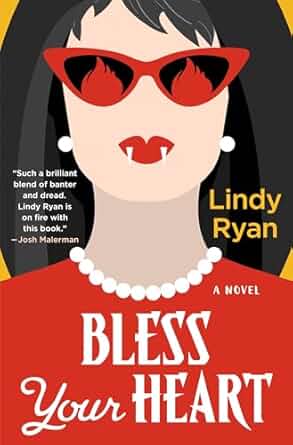
Rise and shine. The Evans women have some undead to kill.
PLOT SUMMARY:
It’s 1999 in Southeast Texas and the Evans women, owners of the only funeral parlor in town, are keeping steady with…normal business. The dead die, you bury them. End of story. That’s how Ducey Evans has done it for the last eighty years, and her progeny—Lenore the experimenter and Grace, Lenore’s soft-hearted daughter, have run Evans Funeral Parlor for the last fifteen years without drama. Ever since That Godawful Mess that left two bodies in the ground and Grace raising her infant daughter Luna, alone.
But when town gossip Mina Jean Murphy’s body is brought in for a regular burial and she rises from the dead instead, it’s clear that the Strigoi—the original vampire—are back. And the Evans women are the ones who need to fight back to protect their town.
As more folks in town turn up dead and Deputy Roger Taylor begins asking way too many questions, Ducey, Lenore, Grace, and now Luna, must take up their blades and figure out who is behind the Strigoi’s return. As the saying goes, what rises up, must go back down. But as unspoken secrets and revelations spill from the past into the present, the Evans family must face that sometimes, the dead aren’t the only things you want to keep buried.
GRADE: A
REVIEW:
This was my first time reading a book from Lindy Ryan and it was absolutely fun! Bless Your Heart is an absolute gem, a Southern Gothic romp packed with horror, heart, and hilarity. At the center of it all are the Evans women, who are nothing short of a delight. They’re sharp-tongued, fiercely loyal, and totally unapologetic about their witchy ways. But it’s Great-Grandmother Ducey who absolutely steals the show. She’s tough as nails, wise in that wonderfully unfiltered elder way, and has more sass in her pinky finger than most people have in their whole body. Honestly, I’d read a whole spinoff just about her.
The story mixes scares and snark effortlessly. One minute you’re shivering from a ghoul attack, the next you’re laughing out loud at a perfectly timed one-liner or sarcastic spell. Speaking of ghouls, Ryan gives them a fresh twist that feels original and creepy in all the best ways. They’re not your garden-variety undead; there’s a lore here that’s genuinely cool and elevates the horror.
What makes this book really work is the sense of family and love that grounds all the supernatural chaos. The Evans women might fight monsters, but they do it together—and with style. It’s spooky, it’s funny, and it’s got heart. Highly recommend, especially for fans of Grady Hendrix.
I strongly recommend diving into this one as an audiobook—the narrator doesn’t just read the story, she brings it to life. Every character leaps off the page (or speaker), from Ducey’s razor-sharp wit to the eerie growl of the ghouls. It’s an electrifying performance that pulls you straight into the heart of the chaos. You won’t just listen—you’ll live it.
*Thank you so much to NetGalley & Macmillan Audio for the audiobook copy of this book in exchange for an honest review!
DID YOU ENJOY WHAT YOU JUST READ? IF YES, THEN SUBSCRIBE TO THE BLOG, GIVE THE POST A LIKE, OR LEAVE A COMMENT! NEW POSTS ARE UP EVERY TUESDAY & THURSDAY!
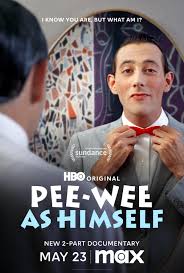
Watching Pee-wee As Himself feels like peeling back the curtain on one of pop culture’s most fascinating figures. Paul Reubens, the man behind the bowtie and high-pitched giggle, was nothing short of a creative genius. This documentary doesn’t just show you how Pee-wee Herman was made—it reminds you how rare and brilliant it was for someone to invent a whole world, live in it, and get the world to follow along.
Reubens created a character that was joyfully weird, totally original, and unapologetically himself. Pee-wee was for kids, sure—but there was always this wink to adults. He was innocent but rebellious, silly but sharp. What the film captures so well is how Reubens didn’t just play Pee-wee—he was Pee-wee. It was performance art wrapped in Saturday morning cartoons, and it worked beautifully.
But then came the backlash. The documentary doesn’t shy away from the ugly part of the story—how a minor incident turned into a media frenzy and moral panic. It’s hard to ignore how homophobia and cultural conservatism played a huge role in tearing Reubens down. A guy who challenged gender norms, played with camp, and refused to be “normal” was an easy target. The media didn’t just report on him—they wanted to humiliate him.
The beauty of Pee-wee As Himself is that it gives Reubens the space he never really got at the time—to be human. To be more than a headline. It’s both a celebration and a gentle critique of the way fame and queerness have always been in tension in America.
More than anything, the doc reminds you: Pee-wee wasn’t just a character. He was a revolution in red lipstick and saddle shoes.
Now streaming on MAX.
DID YOU ENJOY WHAT YOU JUST READ? IF YES, THEN SUBSCRIBE TO THE BLOG, GIVE THE POST A LIKE, OR LEAVE A COMMENT! NEW POSTS ARE UP EVERY TUESDAY & THURSDAY!
There’s something magical about summer reading. Whether you’re poolside with a fizzy drink, on a breezy porch swing, or curled up in a too-cold, over-air-conditioned café, a good book just hits differently in the summer.
So if you’re wondering what to read—or what everyone else will be reading—this summer, here’s your guide to the biggest reading trends of Summer 2025. Spoiler: it’s a juicy mix of cozy, thrilling, romantic, and surprisingly real.
Let’s dive in 📚☀️
1. Romantasy Is Still Ruling Our Hearts (and Bookshelves)
If you thought the romantasy wave (that perfect blend of romance + fantasy) was over, think again. It’s booming. Think mythical creatures, powerful heroines, forbidden love, and world-building so rich you’ll miss it when you close the book.
Books with “grumpy mage + sunshine warrior” dynamics? Obsessively bookmarked. Enemies-to-lovers across kingdoms? Can’t get enough.
Hot sub-trend: Retellings of classic myths and fairy tales with a romantic twist.
2. Cozy Fiction & “Low-Stakes Drama” Is on the Rise
After years of high-intensity thrillers and heavy topics, readers are craving comfort. Enter: cozy fiction. Small-town settings, quirky characters, and plots where not much happens—but in the best way.
Think:
A recently divorced baker finding herself (and maybe a handsome florist).
A bookshop by the sea with a mysterious owner and a slow-burn romance.
A 70-year-old woman solving crimes with her cat and a cup of tea.
It’s feel-good, no-pressure, “just one more chapter” reading.
3. Nonfiction That Reads Like Fiction
This summer, readers want to learn and be entertained. Cue the rise of narrative nonfiction—true stories told in a way that reads like a page-turner.
Top picks:
Personal memoirs with humor, honesty, and heart (think: modern Nora Ephron vibes).
True crime, but with thoughtful reflection rather than shock value.
Science, psychology, and history books that explain the world in bite-size brilliance.
4. Global Voices & Translated Lit Are Taking Center Stage
Readers are expanding their horizons—literally. More people are reaching for translated fiction, stories from underrepresented cultures, and non-Western narratives. Expect to see buzz around books originally written in Korean, Spanish, and Arabic, along with Indigenous authors finally getting their spotlight.
It’s the summer of fresh perspectives—and it’s long overdue.
5. Books That Feel Like TikToks (in a good way)
Short chapters. Snappy pacing. Messy but lovable main characters. Welcome to the age of internet-influenced fiction.
These are the books that go viral for a reason:
Fast, funny, relatable.
Perfect for short attention spans.
Full of emotional moments you will highlight and post about.
And yes, they still hit you in the feels.
6. AI, Time Travel & “Almost Sci-Fi” Are Heating Up
Summer 2025’s wildcard genre? Speculative fiction that feels just one step ahead of reality.
Stories about near-future tech, AI gone rogue (or falling in love?!), climate-adapted societies, and time travel with emotional consequences are everywhere—and surprisingly addictive.
If you love Black Mirror, The Midnight Library, or anything that makes you go “wait… could this actually happen?”—this is your summer genre.
Lastly, Read What Feels Good
Whether you’re team fantasy, nonfiction nerd, or a sucker for soft romances, this summer is all about finding your comfort read. There’s no pressure to be “caught up” or reading what everyone else is. But if you are curious what’s trending—these are the titles and vibes making waves.
So, grab your sunglasses, a blanket, and maybe an iced latte. Summer 2025 is stacked with stories just waiting for you to crack them open.
DID YOU ENJOY WHAT YOU JUST READ? IF YES, THEN SUBSCRIBE TO THE BLOG, GIVE THE POST A LIKE, OR LEAVE A COMMENT! NEW POSTS ARE UP EVERY TUESDAY & THURSDAY!
Starting a new hobby isn’t about becoming a master or hitting some elusive benchmark of success. It’s about carving out space in your life for something that’s just yours—something that lights a spark, even if just for a few minutes a day. Whether you’ve always wanted to learn how to draw, swing a tennis racket, or finally understand what the heck “quantum theory” even means, the good news is this: there’s no wrong way to begin. The key is to stop overthinking and just start, imperfectly and unapologetically.
Let Yourself Be Bad at Art (For a While)
Creative hobbies can be intimidating, especially if you’ve convinced yourself you’re “not the artistic type.” But creativity isn’t a type—it’s a muscle. Drawing, painting, or sculpting doesn’t require talent; it requires time and repetition. To begin, grab a cheap sketchbook and spend ten minutes each day doodling without judgment. Follow YouTube tutorials that walk you through simple exercises, like drawing a cartoon cat or blending watercolor gradients, and let the process be messy. The goal isn’t to make a masterpiece—it’s to make something that’s yours.
Dance Like Nobody’s Watching
Physical hobbies are more than just ways to stay fit—they’re invitations to reconnect with your body in a way that feels joyful instead of obligatory. If the gym isn’t your scene, try something offbeat like dance, rock climbing, or even roller skating. The trick for beginners is to remove pressure: take an online class at home or go during off-peak hours if you’re nervous about people watching. Apps like Steezy or beginner sessions at local studios can ease you into movement that feels less like exercise and more like play.
Learn to Love Learning
Intellectual hobbies are perfect for people who crave stimulation but don’t necessarily want another item on their to-do list. Whether it’s learning a new language, diving into chess, or obsessing over obscure historical eras, the joy here is in curiosity. Start with a low-barrier entry point: Duolingo for language learners, the “Learn to Play” section on Chess.com, or a great podcast like “Hardcore History” for history buffs. Don’t turn it into a homework assignment. Let yourself learn in fragments, chase rabbit holes, and skip around—this kind of learning isn’t about structure, it’s about spark.
Use Your Hands—And Give Your Brain a Break
Tactile hobbies like knitting, pottery, or woodworking are underrated forms of meditation. They give your mind something to focus on that isn’t a screen or a spreadsheet. If you’re a complete beginner, start small. Buy a basic knitting kit that includes instructions and materials, or take a one-off ceramics class at a local studio. You’ll mess up stitches and accidentally lop off a piece of clay you didn’t mean to—but you’ll also feel the deep satisfaction that comes from making something tangible with your own hands.
Grow Something
Gardening or growing herbs is an earthy, grounding hobby that’s good for people who feel scattered or stressed. You don’t need a yard to start—just a few pots, a sunny windowsill, and a little patience. Pick easy starters like basil, mint, or succulents and don’t sweat it if you overwater or forget a step. Use apps like Planta to track care schedules or get tips. The act of nurturing something—watching it grow, even if slowly—is a soft reminder that you don’t need to rush or perfect everything.
Get Lost in Fiction (Or Create Your Own)
Reading and writing are intellectual and emotional lifelines, especially when you feel disconnected from yourself or others. Start with fiction that actually excites you, not what you feel you should be reading. Explore genres—thrillers, fantasy, slice-of-life—until one hooks you. If writing’s your thing, grab a cheap notebook and try a five-minute daily freewrite where you spill whatever’s in your head. No judgment, no editing, just you and the page. Over time, these minutes will stretch, and you might even uncover a voice you didn’t know you had.
Turn a Passion Into a Profession
Sometimes a hobby grabs you so hard that you can’t imagine doing anything else—and that’s when it’s worth exploring how to turn it into a full-blown career. Going back to school can open the door to specialized knowledge, mentorship, and credentials that give your passion some serious momentum. Consider pursuing a business degree to learn essential strategies if you want to start selling your creations or services. Online programs, especially, are a lifesaver for people juggling jobs or family, offering flexibility without sacrificing depth, and the right education can help you stand out in a crowded field.
Too often, people talk themselves out of trying something new because they’re worried they’ll be bad at it. But that’s kind of the point. Hobbies are meant to be low-stakes, high-reward playgrounds for your brain, your body, or your spirit—sometimes all three at once. Whether you’re painting badly or monetizing your new hobby by earning a business degree, you’re showing up for yourself in a way that matters. Give yourself permission to begin, and don’t be surprised when a spark of curiosity turns into something bigger, wilder, and more meaningful than you expected.
Unleash your best self with The Inkblotters! Dive into expert tips on skincare, beauty, and healthy living, all while indulging in a touch of intellectual inspiration.
Guest blog post by Stephanie Haywood, read her previous guest blog post HERE and HERE or visit her website: MY LIFE BOOST.
DID YOU ENJOY WHAT YOU JUST READ? IF YES, THEN SUBSCRIBE TO THE BLOG, GIVE THE POST A LIKE, OR LEAVE A COMMENT! NEW POSTS ARE UP EVERY TUESDAY & THURSDAY!
Let’s be real: there’s nothing quite like summer. Longer days, warmer nights, and the perfect excuse to refresh your wardrobe, your playlist, and maybe even your smoothie order. And if you’re wondering what’s hot this summer (besides the weather), I’ve got you covered.
Whether you’re a trend chaser or just like knowing what’s out there, here are the biggest summer trends of 2025 that are taking over streets, feeds, and sandy beachside selfies.
1. Hyper-Color Is Back (But Grown-Up)
Remember those mood rings and color-changing shirts from the ’90s? Yeah, those are making a comeback—but elevated. Think sun-reactive accessories, UV-activated fabrics, and bold color palettes that shift depending on light and heat. It’s fun, it’s playful, and surprisingly chic.
👉 Hot tip: Look for pieces that change color in sunlight—it’s like a little science experiment you can wear.
2. “Quiet Luxury” Meets the Beach
The quiet luxury trend isn’t going anywhere, but for summer 2025, it’s gone coastal. Imagine: linen matching sets, neutral tones, minimal gold jewelry, and barely-there sandals. Effortless elegance meets vacation mode.
👉 Hot tip: Swap out loud logos for clean tailoring and soft, breathable fabrics. Think: Gwyneth Paltrow, but make it Malibu.
3. Digital Mermaidcore
Mermaidcore was already trending, but 2025’s version got a futuristic glow-up. We’re talking iridescent fabrics, sheer overlays, holographic eyeshadow, and accessories that shimmer like sea glass. It’s a little fantasy, a little Y2K, and very selfie-approved.
👉 Hot tip: Pair metallics with soft beach waves or slicked-back buns for that fresh-out-of-the-ocean look.
4. Eco-Everything
Sustainability isn’t just a buzzword anymore—it’s a lifestyle flex. This summer, eco-conscious fashion, biodegradable glitter, reusable everything, and even “slow travel” are front and center. People want to look good and feel good about their choices.
👉 Hot tip: Opt for vintage pieces, plant-based skincare, and reusable beach totes with actual personality.
5. Wellness-First Travel
Gone are the days of cramming in ten tourist spots in two days. Summer 2025 is all about travel that feels good—think yoga retreats, digital detox cabins, forest bathing, and travel that’s less “go, go, go” and more “ahhh, yes.” People are prioritizing experiences that recharge, not drain.
👉 Hot tip: When booking your summer getaway, look for places offering mindfulness experiences or locally guided nature immersions.
6. Mocktails > Cocktails?
Believe it: the sober-curious movement is still going strong. This summer, mocktails are having a serious glow-up. Think botanical spritzes, adaptogen-infused tonics, and drinks that look like they came out of a cocktail lab—but without the hangover.
👉 Hot tip: Try a sparkling hibiscus-lavender tonic or cucumber-ginger spritz at your next BBQ. Your liver will thank you.
Final Thoughts
Summer 2025 is all about vibes with intention. Whether you’re channeling mermaid energy, embracing minimalist elegance, or just swapping your margarita for a mood-boosting mocktail, the key is feeling good in what you wear, where you go, and what you do.
So pack your bags (or at least update your playlist)—this summer’s shaping up to be one for the books.
DID YOU ENJOY WHAT YOU JUST READ? IF YES, THEN SUBSCRIBE TO THE BLOG, GIVE THE POST A LIKE, OR LEAVE A COMMENT! NEW POSTS ARE UP EVERY TUESDAY & THURSDAY!
No, not in a scary, “you should detox now!” kind of way—but in a real, honest appreciation for this hard-working organ. Your liver does a lot behind the scenes. It filters your blood, breaks down toxins, helps with digestion, stores energy, and even regulates hormones. Basically, it’s your body’s built-in detox machine.
And just like any overworked machine, it deserves some maintenance. The good news? You don’t need a 7-day juice cleanse or fancy supplements. You can support your liver daily just by eating the right foods.
Here are four foods that naturally support and cleanse your liver—and yes, they’re tasty too:
1. Beets: The Bright Red Detox Buddy
Beets might not be everyone’s first love, but your liver is definitely a fan. These vibrant root veggies are packed with antioxidants, especially something called betaine, which helps your liver process toxins and flush them out more efficiently. They also support bile production—a key part of digestion and detoxification.
Easy tip: Roast them with olive oil, toss in a salad, or blend into a smoothie with berries and ginger.
2. Garlic: Small Clove, Big Impact
One clove of garlic might not seem like much, but don’t underestimate this pungent little powerhouse. Garlic is rich in sulfur compounds—which help activate liver enzymes that flush out toxins. It also contains selenium, a mineral that boosts antioxidant activity and protects the liver from damage.
Easy tip: Add minced garlic to stir-fries, pasta, roasted veggies, or make a garlic-lemon dressing.
3. Leafy Greens: Bitter but Better
Spinach, kale, arugula, dandelion greens… they’re all loaded with chlorophyll and plant compounds that support liver detox. They help neutralize heavy metals, clear out pesticides, and increase bile flow. Bitter greens like dandelion and mustard greens are especially good for stimulating liver function.
Easy tip: Throw them into a smoothie, sauté with garlic, or mix them into your omelet or wrap.
4. Avocados: The Creamy Protector
Not only are avocados creamy, satisfying, and Instagram-worthy—they’re also full of glutathione, a powerful antioxidant that helps your liver cleanse itself. Plus, the healthy fats in avocados reduce liver inflammation and improve nutrient absorption.
Easy tip: Spread on toast, slice into salads, or blend into a chocolate avocado pudding (yes, it’s a thing!).
Final Thought: Keep It Simple, Keep It Natural
Your liver doesn’t need a crash cleanse. It needs consistent support. By adding these liver-loving foods into your meals regularly, you’re giving your body the tools it needs to detox naturally—no harsh fads required.
So next time you’re at the grocery store, think of your liver and throw a few of these into your cart. Your body will thank you (even if it doesn’t send a thank-you note).
DID YOU ENJOY WHAT YOU JUST READ? IF YES, THEN SUBSCRIBE TO THE BLOG, GIVE THE POST A LIKE, OR LEAVE A COMMENT! NEW POSTS ARE UP EVERY TUESDAY & THURSDAY!






 The Inkblotters