“My heart is a dark passage, lined with ranks of gleaming jars. In each one something floats. The past, preserved as if in spirit.”
PLOT SUMMARY:
“A great day is upon us. He is coming. The world will be washed away.”
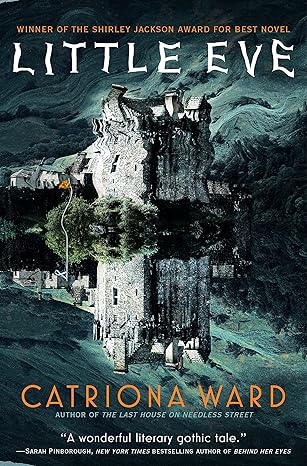
On the wind-battered isle of Altnaharra, off the wildest coast of Scotland, a clan prepares to bring about the end of the world and its imminent rebirth.
The Adder is coming and one of their number will inherit its powers. They all want the honor, but young Eve is willing to do anything for the distinction.
A reckoning beyond Eve’s imagination begins when Chief Inspector Black arrives to investigate a brutal murder and their sacred ceremony goes terribly wrong.
And soon all the secrets of Altnaharra will be uncovered.
GRADE: A
REVIEW:
Little Eve by Catriona Ward is a gothic masterpiece that showcases her exceptional talent for crafting narratives laced with deception, suspense, and relentless twists. Set on a remote Scottish island in the aftermath of World War I, the novel follows a secretive, insular cult-like family whose dark rituals and fractured loyalties set the stage for a haunting mystery. Ward’s storytelling is labyrinthine—just when the reader feels they’ve grasped the truth, the narrative shifts, peeling back another layer of deception.
What sets Ward apart is her ability to embed twists that feel not only shocking but inevitable in hindsight. Each revelation deepens the emotional and psychological complexity of the characters, especially Eve, whose voice is both haunting and heartbreakingly human. The prose is atmospheric and immersive, rich with dread and beauty, drawing readers into a world where nothing is quite what it seems.
Ward doesn’t rely on cheap thrills; instead, she builds a carefully structured narrative where every twist feels earned. The result is a novel that constantly redefines itself, keeping the reader in a state of taut anticipation. Little Eve is a chilling, intricately woven tale that confirms Catriona Ward as a true master of psychological suspense and gothic horror.
*Thank you so much to NetGalley & Tor Nightfire for a digital copy of this book in exchange for an honest review!
DID YOU ENJOY WHAT YOU JUST READ? IF YES, THEN SUBSCRIBE TO THE BLOG, GIVE THE POST A LIKE, OR LEAVE A COMMENT! NEW POSTS ARE UP EVERY TUESDAY & THURSDAY!
Finding inspiration to write is a lot like trying to catch a cat that doesn’t want to be caught. You set the mood—make tea, light a candle, stare thoughtfully out the window—and… nothing. Your brain, suddenly as blank as the page in front of you, decides now is a good time to think about whether you ever paid that electric bill from 2021.
Then, of course, inspiration strikes at the most inconvenient times: in the shower, mid-argument, or three seconds before sleep. It whispers, “Hey, here’s the perfect plot twist!” And like a fool, you think, I’ll remember this in the morning. Spoiler alert: You won’t.
So how do you find inspiration? Trick it. Lure it in like a raccoon with shiny objects. Go for a walk, read something weird, eavesdrop on strangers (purely for research). Or just sit down and write about how uninspired you are—irony is a great muse.
Eventually, your brain gets jealous of all your effort and tosses you a crumb of genius. And just like that, you’re back—typing furiously, fueled by caffeine, chaos, and questionable grammar.
Inspiration: unreliable, unpredictable, but occasionally hilarious.
DID YOU ENJOY WHAT YOU JUST READ? IF YES, THEN SUBSCRIBE TO THE BLOG, GIVE THE POST A LIKE, OR LEAVE A COMMENT! NEW POSTS ARE UP EVERY TUESDAY & THURSDAY!
“The parts of us that they are attacking are the best parts of us, and that is what makes us special.”
PLOT SUMMARY:
When Dylan Mulvaney came out as a woman online, she was a viral sensation almost overnight, emerging as a trailblazing voice on social media. Dylan’s personal coming-out story blossomed into a platform for advocacy and empowerment for trans people all over the world.
Through her “Days of Girlhood” series, she connected with followers by exploring what it means to be a girl, from experimenting with makeup to story times to spilling the tea about laser hair removal, while never shying away from discussing the transphobia she faced online. Nevertheless, she was determined to be a beacon of positivity.
But shortly after she celebrated day 365 of being a girl, it all came screeching to a halt when an innocuous post sparked a media firestorm and right-wing backlash she couldn’t have expected. Despite the vitriolic press and relentless paparazzi, Dylan was determined to remain loud and proud.
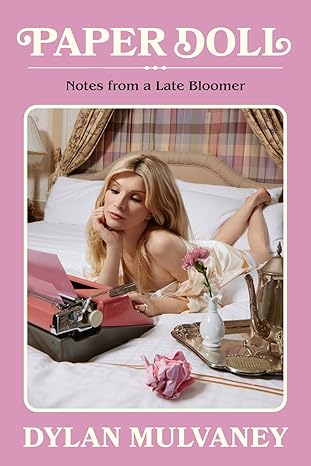
In Paper Doll: Notes from a Late Bloomer, Dylan pulls back the curtain of her “It Girl” lifestyle with a witty and intimate reflection of her life pre- and post-transition. She covers everything from her first big break in theater to the first time her dad recognized her as a girl to how she handled scandals, cancellations, and . . . tucking. It’s both laugh-out-loud funny and powerfully honest—and is a love letter to everyone who stands up for queer joy.
GRADE: A
REVIEW:
I experienced this memoir as an audiobook which I think is the best way to experience it. Dylan Mulvaney delivers a memoir that is as full of heart as it is sharp with humor. Known for her viral “Days of Girlhood” series, Mulvaney brings the same charisma and vulnerability to the page, blending deeply personal storytelling with punchy, self-aware wit. The book is a kaleidoscope of moments—some raw, some hilarious, all profoundly human.
Her humor never feels performative; it’s the kind that springs from resilience, used not to mask pain but to reshape it into something empowering. She recounts awkward adolescence, awkward adulthood, and everything in between with a comedic timing that never undercuts the seriousness of her journey. Instead, it complements the memoir’s emotional core.
What elevates Paper Doll beyond a personal story is its quiet, powerful wisdom. Mulvaney doesn’t pretend to have all the answers. Instead, she offers hard-won insights about identity, self-worth, and the freedom of living authentically. Her voice is candid and warm, turning the memoir into a conversation more than a proclamation.
Paper Doll is ultimately a triumph of spirit—a joyful, honest, and sharply observant reflection of what it means to grow into oneself, and to do so with grace, grit, and a perfectly timed joke.
*Thank you so much to NetGalley & Harry N. Abrams for the audiobook copy of this book in exchange for an honest review!
DID YOU ENJOY WHAT YOU JUST READ? IF YES, THEN SUBSCRIBE TO THE BLOG, GIVE THE POST A LIKE, OR LEAVE A COMMENT! NEW POSTS ARE UP EVERY TUESDAY & THURSDAY!
Spring has finally sprung! The flowers are blooming, the birds are chirping, and there’s a certain magic in the air that makes it the perfect time to refresh your routine and embrace some new, positive habits. Whether you’re shaking off the winter blues or simply looking for a little reinvention, now’s the time to shake things up. Here are three simple (and totally doable) habits to cultivate this spring that will leave you feeling fresh, energized, and ready to take on the season with a smile.
1. Get Outside and Move (But Make It Fun!)
Let’s face it: when winter rolls around, the couch is often our best friend. But with the sunshine now beckoning us outdoors, it’s time to ditch the blankets and step into the fresh air. Spring is a perfect excuse to get active, but no need to sign up for a marathon (unless you really want to, no judgment here!). The goal is to find something fun to do that gets your body moving.
Take a stroll through your local park, ride your bike around the neighborhood, or even try an outdoor yoga class (hello, sun salutations!). The key here is to find something you enjoy—something that won’t feel like a chore. Dance around to your favorite tunes in your living room, or join a friend for a game of frisbee. Moving your body in enjoyable ways is an instant mood booster, and the best part? You’re soaking up that vitamin D while you’re at it!
Pro Tip: Make it a goal to get outside at least 20 minutes a day. It doesn’t sound like much, but the fresh air and natural light will work wonders on your energy levels.
2. Start a Spring Clean (That Actually Feels Good)
Spring cleaning doesn’t have to be a dreaded task. In fact, it can actually be a form of self-care—yes, really! Take a look around your home: those dusty corners and overflowing drawers are just waiting for a little TLC. Instead of thinking of it as a big, scary to-do list, approach it like a mini reset for your mind, body, and space. You’ll be amazed at how clearing clutter can give you a sense of peace and accomplishment.
Start with small, manageable tasks. Organize your closet, tidy up the kitchen counter, or finally tackle that drawer full of miscellaneous stuff (we all have one). And here’s the secret: make it fun! Put on your favorite playlist, light a nice candle, and turn cleaning into a mini dance party. Trust us, once you start making progress, you’ll be surprised at how good it feels to have a fresh, tidy space.
Pro Tip: Declutter your wardrobe by donating or selling clothes you haven’t worn in over a year. Spring is the season of renewal, so it’s the perfect time to let go of things that no longer serve you!
3. Drink More Water (With a Twist of Fun!)
Okay, we know, we should be drinking water all year round, but in spring, it feels a little easier to sip on some refreshing H2O. You’re sweating a little more, the air is warmer, and your body needs hydration to keep you energized as you take on your new outdoor activities. So, why not make drinking water a habit that you can actually look forward to?
Spruce up your water routine with a little creativity. Add fresh fruit like lemon, cucumber, or mint to your water for a spa-like experience. Or try making your own iced herbal tea, and have a little pitcher ready to go in the fridge for easy access. Not only will you feel hydrated and refreshed, but you’ll feel like you’re living your best, health-conscious life, too.
Pro Tip: Keep a reusable water bottle with you throughout the day. Having it on hand will remind you to drink more, and hey—being eco-friendly is a win!
In Conclusion: Spring Forward with These Habits
So, there you have it: three simple habits to help you bloom into your best self this spring! Whether it’s getting outside and moving, decluttering your space, or hydrating like a pro, each of these habits will leave you feeling more energized, refreshed, and ready to take on whatever the season throws your way. Embrace the lightness of spring, and remember—it’s all about balance, fun, and making small changes that lead to big rewards. Happy spring, everyone!
DID YOU ENJOY WHAT YOU JUST READ? IF YES, THEN SUBSCRIBE TO THE BLOG, GIVE THE POST A LIKE, OR LEAVE A COMMENT! NEW POSTS ARE UP EVERY TUESDAY & THURSDAY!
But she didn’t realize it was the last normal day on Earth as she’d known it… the last normal day anyone had known.
PLOT SUMMARY:
The meanest teen queen in high school might be the world’s only chance against killer plants run amok!
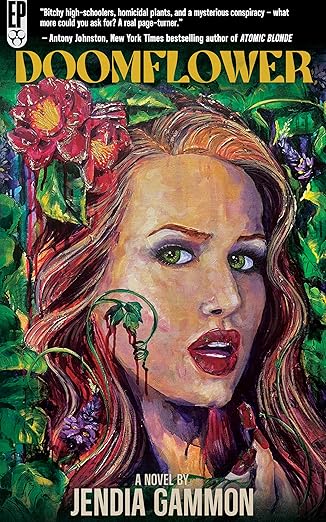
Camellia Dume is the meanest teen queen in her Malibu high school, a rich daddy’s girl thanks to her father’s elaborate scams. But she might be the only hero for humanity as an extraterrestrial mutation sends plants tearing across the country and through people in bloody fashion. As if that weren’t enough drama, Camellia just might meet her own personal match or worst enemy, in the new student Wray, as sparks fly and opposites attract. Only by working together can they uproot a deadly conspiracy that may have torn Camellia’s family apart.
GRADE: A
REVIEW:
Mean Girls meets Day of the Triffids in this fast paced horror. Move over Regina George, there’s a new bad bitch in town – Camellia Dume. She’s disgustingly rich and very influential both at her school and online realm, where she’s both loved and feared. Upon her first encounter with Wray, things don’t go down very well, but soon the two are going to be faced with killer plants and life as Camellia knows it will no longer exist. These two unlikely heroes will capture your heart and have you rooting for them in this campy, yet very fun scary book!
Doomflower by Jendia Gammon is a relentless, fast-paced horror thriller that grips the reader from the very first page and littered with hilarious moments that will have you laughing! The narrative is a whirlwind of tension, with each chapter escalating the horror as the protagonist is drawn deeper into a nightmarish world. Gammon masterfully builds a sense of dread, using sharp, vivid imagery that keeps the reader on edge. The pacing is swift, ensuring that the suspense never lets up, while the horror elements hit hard with shocking twists and grotesque killer plants. Doomflower is a wild, adrenaline-fueled ride for fans of chilling, fast-paced terror.
*Thank you so much to Encyclopocalypse Publications for the digital copy of this book in exchange for an honest review!
SHORT Q & A WITH AUTHOR:
What inspired you to write Doomflower?
Doomflower was one of those secret-sauce ideas that bubbled up about 6 years ago, when I was getting to know Los Angeles better, and fell hard for Point Dume. I had been a fan of dark humor most of my life, so that’s reflected in the book; notably Heathers, as well as various high school dramedies over the decades, as well as pulpy slasher films of the 80s and 90s. I also love a mixture of sci-fi and horror, like The Thing, Day of the Triffids, etc.
And as I was a fan of antihero dramas like Mad Men and Better Call Saul, as well as growing up with How the Grinch Stole Christmas, I thought, “What if the absolute worst person in high school had to save the world? Who would want to follow her, and why?” And that’s Camellia Dume. She the richest and meanest teen queen in Killian High School, and her father is very much a shyster conman like Saul Goodman. They’re ghastly…but there’s a reason.
As I transferred schools in the middle of high school, from a county/semi-rural area to city school, I was suddenly faced with very wealthy cliques, and I was…not wealthy. So I identified a bit with Wray Blythe in that regard. I love fish-out-of-water stories.
I also love the enemies-to-lovers trope, especially when it leads to character growth.
And, frankly, I love L.A. Much of this story takes place in Malibu, and I lean into some Los Angeles tropes with love for the city I love and live in now.
Camellia is the ultimate mean girl when we meet her, but becomes the unlikely hero. Who could you see portraying her in a film adaptation or mini series?
It’s likely that at this point, she’d have to be a younger GenZ or a Gen Alpha actress, and I think in many ways this would be a breakout role for someone. I don’t have anyone particular in mind. I’d know her if I saw her audition. And I hope Doomflower IS made into a film or show, because I think a lot of people would enjoy it. It’s very cinematic, raw, funny, and filled with one-liners.
Several writers have explored deadly plants in the past few years such as Wilder Girls and Annihilation. What is it about plants that you find personally terrifying?
As I have a degree in ecology (which plays a role in the book), I’m not so terrified of plants as I am of genetic manipulation and the thwarting of nature to greed or malice. Given an extraordinary situation here–trying to avoid spoiling for readers–I’m reminded of Ripley’s quote in ALIENS that starts with, “You know, Burke, I don’t know which species is worse…” But in terms of monster appeal, I actually love pulpy horror, and nothing screams pulp like plant horror!
Can we ever expect a sequel to Doomflower?
If Doomflower does well, I do have framework for a sequel. So let’s hope it does. There’s definitely more to unravel! Meanwhile, I hope I get a movie or show option. Then you can be sure I’ll wrote a sequel!
Are you working on anything new?
Hot on the heels of Doomflower is my thriller/horror/sci-fi novel Atacama, out May 13, 2025. That has a more unsettling vibe, delving into mystery and grief (which both do play a role in Doomflower as well; I lost both parents in the past 5 years, and that definitely left huge effects on my writing). Atacama is a bit like The X-Files plus Annihilation plus Black Mirror and The Thing. Following that, I have a SFF short story collection out in July called To Wonder and Starshine, a dragon fantasy out next spring, The Vale of Seven Dragons, and a Choose Your Own Adventure middle grade horror out next spring as well, called Dungeon Crawl at the Haunted Mall. I’m also a publisher of speculative fiction at Stars and Sabers Publishing, and we have all sorts of books coming out from various authors there.
DID YOU ENJOY WHAT YOU JUST READ? IF YES, THEN SUBSCRIBE TO THE BLOG, GIVE THE POST A LIKE, OR LEAVE A COMMENT! NEW POSTS ARE UP EVERY TUESDAY & THURSDAY!
Perihan gazed at the opulent villas lined up like precious pearls on a necklace, feeling overwhelmed by their excessive beauty. The sight was almost terrifying, reminiscent of the antique pearls adorning her own necklace. As the dark clouds were illuminated by a sudden flash of lightning, she shook off her thoughts and quickened her pace along the deserted road. The gentle raindrops on her tired face felt like an ominous sign. The unexpected gust of wind, unusual for a mild November afternoon, added to her unease.
On her seventieth birthday, Perihan had indulged in a day of shopping at Milan’s most luxurious stores. Despite her age, she possessed a strong physique, with firm knees, agile movements, and enough strength to carry her shopping bags from the stores to her home. The kind store managers at Cartier and Valentino had offered to send the packages to her address with a courier, but she declined, insisting she could manage on her own. Though she lacked a family to celebrate with, her small group of friends had arranged to gather at the villa, refusing to let her spend the evening alone. They had asked her to leave the house and return around seven o’clock. Glancing at her watch, Perihan realized she was already half an hour late.
Oh my… Licia must have already set the table, she thought as she turned the corner onto Via Marco de Marchi, where she resided. Just then, another lightning bolt flashed across the sky, and a large monarch butterfly appeared seemingly out of nowhere. Despite the heavy rain, Perihan could hear the faint flapping of its wings. The butterfly had bright orange and black stripes, with one wing decorated with symmetric white dots. It seemed to hover in midair.
“What a miracle,” Perihan exclaimed, a smile stretching across her wrinkled face. “It’s been years since I last saw this one…and on my birthday!” Hastily shifting the heavy bags onto her shoulder, she wiped the raindrops from her eyes with her long red nails and followed the butterfly. It fluttered around in circles for a few moments, before darting straight ahead. Despite the downpour, the orange-and-black wings moved swiftly. Overwhelmed with excitement, Perihan disregarded the red light—and almost got hit by an old Ford passing by. The driver, an unattractive man with numerous moles and few teeth, leaned out of the window and cursed at her in an Italian dialect she couldn’t understand. Unfazed by his behavior, Perihan remained focused on following the butterfly, which flew rapidly and ascended into the sky.
“I wonder where it disappeared to,” she mused with a melancholic expression on her face. The rain intensified, the drainage problems in the area turning the road into a pool of water. Perihan’s bare feet were drenched as the rain seeped through the open toes of her green python slingbacks.
“You’re blocking my view.” The unexpected comment startled her. She looked at the stranger, hoping to recognize a friendly face, but it was no one she knew. She turned to notice the growing crowd of people with their faces hidden behind their phone screens. She wondered if they were filming her. Lacking an umbrella, her meticulously coiffed hair now wet, her makeup smudged, and her silk skirt ruined by the muddy street, Perihan was struck by the crowd’s indifference. They shifted slightly to the right, attempting to remove her from their line of sight, all the while continuing to record whatever had caught their attention. Curious, Perihan turned around and was terrified by what she saw. In shock, she dropped her red shopping bags, causing more muddy water to splatter onto her skirt and completely destroying her shoes.
“This can’t be happening,” she screamed to the sky at the top of her lungs. Her knees trembled uncontrollably, left her unsure about taking another five steps to cross the road. Perihan noticed the cameras turning toward her in her peripheral vision, but she paid no mind to the desperation and terror that would eventually go viral on numerous social media networks in multiple countries. Her villa loomed in front of her, concealed by high walls covered with lush green bushes—now invaded by hundreds, if not thousands, of butterflies. They hovered over the garden, flapping their wings vigorously despite the pouring rain. The entire structure, partially visible through the bushes, seemed imprisoned within a butterfly sanctuary. When Perihan realized the creatures were all monarchs, each one so exquisite and valuable, she paused. Beauty had a threshold, and beyond it, it became a captivating terror, holding people’s attention hostage to fulfill its own needs. She propelled herself into the flooded road, heading for the garden gate. With what little strength remained after the ordeal, she pushed her way through the floral Art Nouveau door.
“Licia! Where are you?” she shouted upon entering the garden. Before closing the door behind her, she turned to scream at the onlookers, “Leave! The show’s over! This is my property!” Yet, the crowd remained unaffected, mesmerized by the extraordinary natural phenomenon unfolding before them.
Licia, Perihan’s housekeeper and closest friend of nearly forty years, looked like a ghost. Her complexion was drained of color, her wet hair clung to her face in disheveled patches, and her shoes were ruined by dark mud. She trembled as she spoke. “Perihan… We did our best, but…” Licia glanced quickly at their small group of friends, who observed the scene from the kitchen window on the first floor of the house. Perihan brushed Licia aside with the back of her hand and made her way toward the large greenhouse on the left side of the garden. Orange butterflies continued to emerge rapidly through a broken pane in its ceiling, swarming through the air. Looking up at the vortex of butterflies resembling a brewing tornado, Perihan felt a wave of dizziness. Her bony hand reached for the intricately detailed metal handle of the greenhouse door, but fear gripped her body. She hesitated, afraid to enter, yet knowing she had no other choice. Slowly, she pushed the door open, entered, and closed it behind her.
Licia tried to conceal her sobbing behind her hands. Should she follow Perihan into the greenhouse or return to the house? The rain cascaded like a waterfall, obstructing not only her movements but her thoughts as well. She compelled herself to decide, but the sudden outburst from within the greenhouse froze her in place.
“No… No… No!” Perihan’s voice echoed, growing louder with each repetition—until the world fell silent, save for the raindrops tapping against any surface they encountered. The darkness beneath the swarm of butterflies gradually gave way to a dull light as they departed from the house. Licia collapsed onto her knees and allowed herself to sink into the saturated garden soil, her tears mingling with the raindrops. Once the first monarch butterfly Perihan had witnessed a few moments earlier found its way to her villa, it hovered briefly over the garden before heading in the same direction as the others. When the last of the butterflies vanished, no trace of the miraculous event remained.
DID YOU ENJOY WHAT YOU JUST READ? IF YES, THEN SUBSCRIBE TO THE BLOG, GIVE THE POST A LIKE, OR LEAVE A COMMENT! NEW POSTS ARE UP EVERY TUESDAY & THURSDAY!
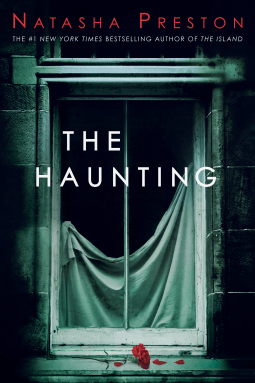
Haunted by the past . . . terrified of the present.
PLOT SUMMARY:
Penny knows she must forget about her ex, Nash. Ever since his father was revealed as the brutal serial killer who traumatized their small town last Halloween, Penny’s parents have forbidden her to have anything to do with Nash or his family. It’s hard not to think of him—but she’s trying.
That stops when she goes shopping with friends for a costume. What she finds instead is ripped from a horror movie: someone from school bleeding out on the floor of a dressing room. Stabbed.
People are quick to blame Nash and his sister, Grace, but as Halloween nears and the body count rises, Penny can’t help thinking this copycat killer is someone no one else suspects. . . .
GRADE: C
REVIEW:
Natasha Preston’s The Haunting is one of those books that offers an enjoyable escape, perfect for readers looking for something light and fun. With its chilling premise and short chapters, the novel presents a classic whodunit murder mystery, which immediately grabs attention. However, while it’s an easy read, it lacks the depth and engagement that some readers might crave.
One of the most appealing aspects of The Haunting is how quickly it can be devoured. The chapters are short, and the writing is straightforward, making it perfect for readers looking for a fast-paced, no-frills story. It doesn’t demand much of the reader’s attention or deep thinking. You can easily pick it up and read it in short bursts without losing track of the plot. For those who just want to unwind with a book without much complexity, it definitely serves its purpose.
However, while The Haunting is fun, it doesn’t quite offer the level of engagement that would make it a truly memorable read. The characters, for instance, are rather one-dimensional. Their development is minimal, and their personalities can feel somewhat stereotypical. The relationships between the characters don’t feel very authentic, and as a result, it’s difficult to form a real emotional connection with them. The plot, too, can feel predictable at times, with a few obvious twists that don’t pack the punch they could have. For readers looking for something with a bit more substance, The Haunting may leave them wanting more.
The Haunting by Natasha Preston is an easy, enjoyable read that offers just enough suspense to keep you turning the pages. It’s perfect for a quick read when you’re in the mood for something light, but it may not be the most engaging or thought-provoking book out there. It’s fun while it lasts but won’t necessarily leave a lasting impression.
*Thank you so much to NetGalley & Delacorte Press for the digital copy of this book in exchange for an honest review!
DID YOU ENJOY WHAT YOU JUST READ? IF YES, THEN SUBSCRIBE TO THE BLOG, GIVE THE POST A LIKE, OR LEAVE A COMMENT! NEW POSTS ARE UP EVERY TUESDAY & THURSDAY!
We all know water is the MVP when it comes to hydration, but sometimes, we crave something with a little more pizzazz—something with flavor that still keeps us feeling good inside. Luckily, there’s a whole world of healthy drink options beyond water, and they’re packed with nutrients, flavor, and sometimes even a little fun. So, grab a glass, and let’s dive into some refreshing alternatives that are just as good for your body as they are for your taste buds!
1. Herbal Teas: Sip Your Way to Calm and Clarity
Herbal teas are a fantastic way to hydrate while treating yourself to a little zen moment. Whether you’re sipping on a warm cup of chamomile before bed or a cool glass of peppermint tea in the afternoon, there’s an herbal brew for every mood. Plus, many herbal teas come with added health benefits—ginger tea is great for digestion, while peppermint can help with soothing headaches. Feeling a little extra fancy? Add a slice of lemon or a dash of honey for some extra flavor and sweetness!
Pro Tip: Try iced herbal teas in the summer months. They’re a great way to hydrate and cool down without the sugar spike from regular iced teas!
2. Kombucha: The Fizz That’s Actually Good for You
If you’re looking for a bubbly, fermented drink with a bit of a tangy kick, kombucha is your new best friend. This fizzy tea is packed with probiotics, which are awesome for gut health and digestion. Plus, it comes in a ton of fun flavors—ginger-lemon, berry, and even lavender—so it’s hard to get bored with your kombucha choices. Just keep in mind, kombucha does have a bit of alcohol due to the fermentation process (don’t worry, it’s minimal!), so it’s best enjoyed in moderation.
Pro Tip: Start with a small serving of kombucha if you’re new to it; the tangy taste might take a little getting used to, but it’s totally worth it!
3. Infused Water: Water, But Make It Fancy
If plain water just doesn’t do it for you, infused water is an easy and flavorful upgrade. Simply toss some fruit, herbs, or even veggies into your water, and you’ll get a refreshing, nutrient-packed drink. Popular combos include lemon and mint, cucumber and lime, or strawberries and basil. You get all the hydration of water with a fun twist of flavor—and bonus, the natural ingredients provide vitamins and antioxidants.
Pro Tip: Keep a pitcher of infused water in your fridge for easy, on-the-go hydration. It’s an easy way to get extra nutrients without any added sugar.
4. Coconut Water: The Tropical Hydration Hero
Coconut water is nature’s version of an energy drink! Packed with electrolytes, it’s perfect for rehydrating after a workout or a hot day in the sun. Plus, it has a naturally sweet taste that’s refreshing without being overly sugary. It’s a great alternative to sports drinks that are often full of artificial colors and sweeteners. And if you’re in the mood for a tropical vibe, you can’t go wrong with a chilled glass of coconut water—it’s like a vacation in a cup!
Pro Tip: Look for coconut water that’s 100% pure and free from added sugar or preservatives to keep it as healthy as possible.
5. Fresh Fruit Smoothies: A Meal in a Glass
Smoothies are the perfect way to pack a bunch of nutrients into a single drink. Throw in some spinach, berries, banana, and a splash of almond milk, and you’ve got a delicious, healthy snack that’ll keep you satisfied for hours. You can even sneak in some chia seeds, flax, or protein powder to give your smoothie an extra nutrient boost. They’re versatile, customizable, and a fun way to mix up your usual drink routine.
Pro Tip: Blend in some frozen fruit for a thicker, creamier texture that feels like a treat!
Bottom Line: Drink Happy, Drink Healthy!
You don’t have to stick to just water to stay hydrated—there are plenty of healthy, tasty alternatives that can keep your body feeling good and your taste buds satisfied. Whether it’s a soothing herbal tea, a fizzy kombucha, or a fresh fruit smoothie, there’s a healthy drink out there for everyone. So go ahead, try something new, and raise your glass to healthy hydration!
DID YOU ENJOY WHAT YOU JUST READ? IF YES, THEN SUBSCRIBE TO THE BLOG, GIVE THE POST A LIKE, OR LEAVE A COMMENT! NEW POSTS ARE UP EVERY TUESDAY & THURSDAY!
I am the Indian who can’t die. I’m the worst dream America ever had.
PLOT SUMMARY:
A diary, written in 1912 by a Lutheran pastor is discovered within a wall. What it unveils is a slow massacre, a chain of events that go back to 217 Blackfeet dead in the snow. Told in transcribed interviews by a Blackfeet named Good Stab, who shares the narrative of his peculiar life over a series of confessional visits. This is an American Indian revenge story written by one of the new masters of horror, Stephen Graham Jones.
GRADE: A
REVIEW:
Stephen Graham Jones is known for his sharp storytelling and his ability to blend horror with cultural commentary, and Buffalo Hunter Hunter is no exception. In this novel, Jones introduces a fresh, new take on vampires, turning the genre on its head with a unique narrative structure and an exploration of identity, family, and survival. Written in an epistolary format—through the use of diary entries—the book offers an intimate, and at times unsettling, journey into the world of vampirism that’s anything but ordinary. This novel is a slow burn compared to Jones’ previous novels, but once we’re introduced to Good Stab, the story flows in a way that we can’t help but wish to know more of.
The epistolary format is one of the book’s most engaging features. Jones uses this structure to create a sense of immediacy and emotional depth, drawing readers into the protagonist’s thoughts and feelings. The story is told through the journal entries of the main character, whose struggle with their own identity and their relationship with the world around them unfolds gradually, revealing layers of complexity with every new entry. It’s a brilliant technique that allows the reader to feel as if they’re uncovering secrets alongside the protagonist, rather than being told a story from a distance.
But what truly sets Buffalo Hunter Hunter apart is its fresh take on vampires. Gone are the brooding, glamorous immortals we’re used to in modern vampire tales. Instead, Jones introduces vampires who are connected to a larger cultural narrative, one that’s rooted in historical trauma, displacement, and the resilience of indigenous communities. The vampires in this novel aren’t just bloodsuckers; they’re symbolic of the larger struggles that people face, and Jones deftly uses the supernatural to explore themes of survival and transformation.
At the heart of the novel is the tension between the Lutheran priest’s curiousity and the vampire Good Stab. Good Stab’s inner conflict is explored with great sensitivity, allowing the reader to feel the weight of their transformation not just physically, but emotionally. It’s a story about grappling with identity and legacy, and the challenges of reconciling personal history with the person you’re becoming.
Jones also delivers plenty of action, suspense, and moments of dark humor throughout the novel, ensuring that it’s not just a thought-provoking piece, but an entertaining one as well. The narrative, while contemplative, doesn’t shy away from the sharp edges of horror, offering thrills alongside its deep philosophical questions.
In conclusion, Buffalo Hunter Hunter is a compelling, innovative take on the vampire genre, presented in a format that’s both engaging and thought-provoking. Stephen Graham Jones masterfully blends supernatural horror with cultural commentary, and the epistolary format adds an extra layer of intimacy to this unique, thrilling story. If you’re looking for a fresh perspective on vampires with a deep, emotional core, this novel is a must-read.
*Thank you so much to NetGalley & Saga Press for the digital copy of this book in exchange for an honest review!
DID YOU ENJOY WHAT YOU JUST READ? IF YES, THEN SUBSCRIBE TO THE BLOG, GIVE THE POST A LIKE, OR LEAVE A COMMENT! NEW POSTS ARE UP EVERY TUESDAY & THURSDAY!
When you think of horror authors, a lot of names that probably come to mind are men—Stephen King, H.P. Lovecraft, and Edgar Allan Poe, for example. But did you know that women have been just as integral to the horror genre, crafting some of the most influential and spine-chilling stories? While their contributions were often overlooked, women in horror have not only shaped the genre but have also used it as a platform to explore deep, complex themes that resonate with us on a deeply personal level. And that’s something we shouldn’t overlook.
Breaking the Mold
For a long time, horror fiction was predominantly written by men, which, let’s be honest, often led to stories that focused on the same types of characters, plots, and themes. But then came women writers who weren’t afraid to push boundaries and challenge what horror could be. From Shirley Jackson’s unsettling psychological horror to Mary Shelley’s groundbreaking Frankenstein, women have always had a hand in redefining the genre. They brought something fresh, something that explored not only monsters and the supernatural, but also the very real monsters inside our heads, the complexities of human emotions, and societal fears.
Take The Haunting of Hill House by Shirley Jackson. It’s not just a ghost story; it’s a tale about loneliness, mental illness, and how isolation can destroy a person. It taps into very real human fears and makes us question what’s real and what isn’t. It’s this depth of emotion and the ability to blend the supernatural with personal struggles that women have brought to the genre. And that’s one reason why their contributions are so significant—they make horror more relatable, more reflective of the human condition.
Women Exploring Real Fears
One thing women authors in horror often excel at is turning the genre inward. While many male horror writers focused on external threats like monsters, women writers have frequently explored more internal, personal fears. Think of Margaret Atwood’s The Handmaid’s Tale or Helen Oyeyemi’s White Is for Witching. These authors weave horror into narratives that reflect on real-world issues like power, control, identity, and societal structures. And that’s part of what makes women’s voices so important in horror—there’s an element of horror in everyday life that women, especially, are acutely attuned to.
In The Bloody Chamber, Angela Carter reimagines classic fairy tales, adding layers of feminist critique and sexual politics. Her retellings are dark, unsettling, and frequently tackle themes like power dynamics, gender, and the violence women endure, themes that often go unexplored in traditional horror. In this way, women in horror help broaden the conversation, allowing the genre to evolve into something that can address issues of inequality, fear, and vulnerability that are unique to women.
The Future of Women in Horror
The future of horror is bright, and it’s becoming increasingly clear that women will be driving the genre forward. More and more women authors are taking center stage, and the stories they are telling are diverse, powerful, and innovative. From psychological thrillers to body horror and speculative fiction, women are continuously expanding what horror can be. Authors like Tananarive Due, Silvia Moreno-Garcia, and Carmen Maria Machado are blending horror with elements of cultural identity, race, and trauma, creating stories that are both terrifying and thought-provoking.
Horror isn’t just about scaring people—it’s about reflection, confrontation, and exploring the unknown. Women in horror give us a unique lens through which we can experience these emotions. They’re breaking down walls, amplifying marginalized voices, and creating more inclusive, diverse narratives. And that’s something the genre desperately needs.
Final Thoughts
So, why are women in horror so important? Because they bring new perspectives, new themes, and new layers of meaning to a genre that has the power to examine our deepest fears. They challenge us to look at the world through a different lens, to confront uncomfortable truths, and to question what really scares us. As the genre continues to grow and evolve, one thing’s for sure—women will continue to be at the heart of it, making horror richer, deeper, and far more compelling.
DID YOU ENJOY WHAT YOU JUST READ? IF YES, THEN SUBSCRIBE TO THE BLOG, GIVE THE POST A LIKE, OR LEAVE A COMMENT! NEW POSTS ARE UP EVERY TUESDAY & THURSDAY!






 The Inkblotters